#White Papers
Optimal tool processing?
Stream Finishing (SF) compared with Electro Finishing (EF)
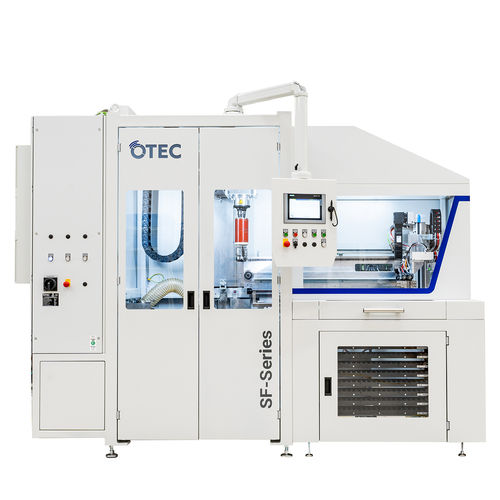
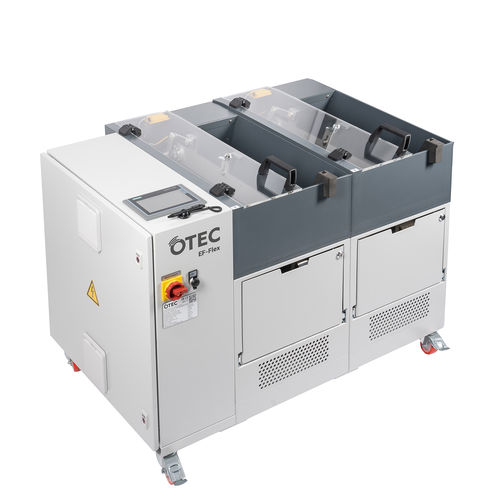
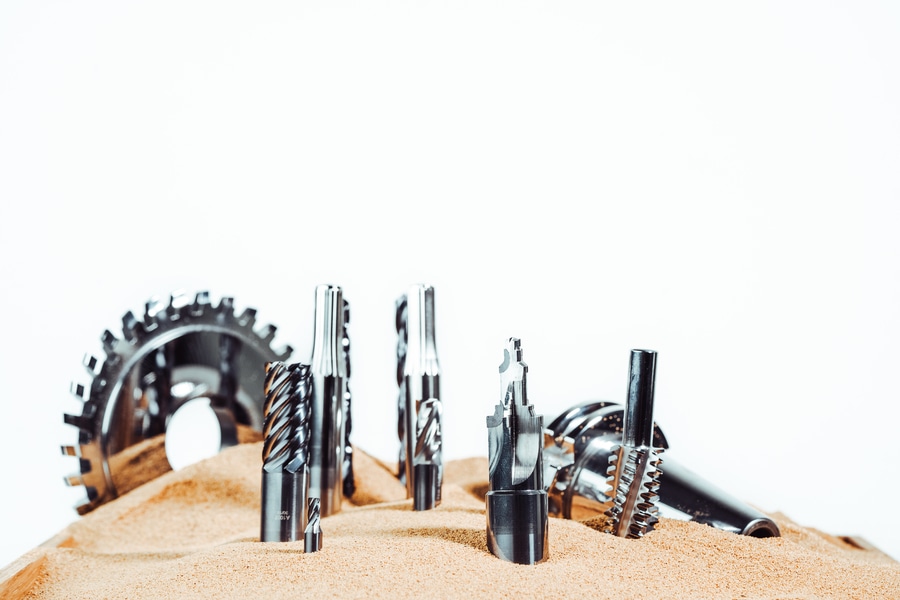
Precise rounding and smoothing of tool cutting edges is crucial for a longer service life and reliable machining processes. This report compares two established post-processing methods for tools: the mechanical Stream Finishing Process and electrochemical Electro Finishing. Stream Finishing allows high, precisely controllable material abrasion through abrasive processing and is particularly suited for larger and mechanically more robust tools. Electro Finishing, on the other hand, uses anodic material removal in an electrolyte in order to smooth delicate and complex-shaped workpieces without mechanical stress. Both methods achieve defined cutting edge rounding, yet they differ in how they work and their results: Stream finishing can produce an adjustable C factor from ~0.5 to ~2.0 and, with suitable parameter settings, can induce significant compressive residual stress and hardening in the edge zone. Electro Finishing, on the other hand, achieves extremely low roughness on workpieces without impurities getting in and without mechanical deformation or shearing of the microsurface. These properties are beneficial particularly for micro-tools and precision tools. This report illustrates the specific strengths of both processes and concludes by showing that a combined use of stream finishing and Electro Finishing can be a very promising approach in practice for getting the best results during tool processing.