#Industry News
Benefits of measuring oxygen content in wastewater digester gas using thermoparamagnetic oxygen analyzers
Measurements that matter.
Summary:
In wastewater treatment, aerobic digestion enables plants to increase their capacity. This process includes using oxygen-enriched air in the wastewater head space. This results in up to a five time increase in the treatment capacity.
Application:
Oxygen is added to the air in the head above the wastewater. Microorganisms in the water digest the waste, while consuming oxygen and producing carbon dioxide. The oxygen level is measured at the outlet vent. The measurement is used control the flow of oxygen on demand to enable optimal digestion.
The oxygen concentration is critical to the treatment process. If the oxygen concentration is too high, it is an indication that the active population of microorganisms may have died off. If the oxygen concentration is too low, the added oxygen must be increased.
Solution:
The process requires monitoring the oxygen content to ensure proper wastewater treatment and the survival of microorganisms that decompose the waste. Oxygen concentration indicates how efficient the process is functioning. Choosing a robust and reliable technology instills confidence in the measurement.
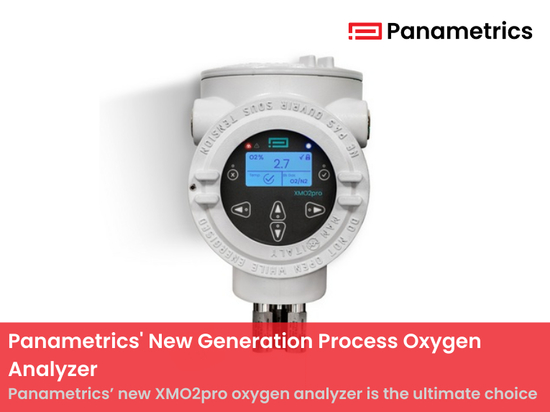
Thermoparamagnetic oxygen transmitters are ideal for this application when designed into a sample conditioning system that removes entrained mists or liquids. Since this technology involves no moving parts, should there be a small upset, the sensor is not typically damaged and can recover quickly. The transmitter provides an analog output signal proportionate to the oxygen content to the plant’s data acquisition and control system.
When paired with the appropriate display/controller, you can increase the intelligence of the system and the accuracy by adding solenoid valves to sample system to choose between sample gas and calibration gases. The system can initiate an auto-calibration or auto-verification on a regular basis, ensuring maximum accuracy in these critical monitoring and/or control systems. The controller can track the change in calibration over time, allowing the operator to see if there have been changes that tie back to upset conditions in the application.
It is critical to quality to choose a manufacturer who has decades’ experience with this technology and with sample system design. Putting together a sample panel without this experience may result in poor analyzer performance and/or uncertainty in the measurement integrity.