#Industry News
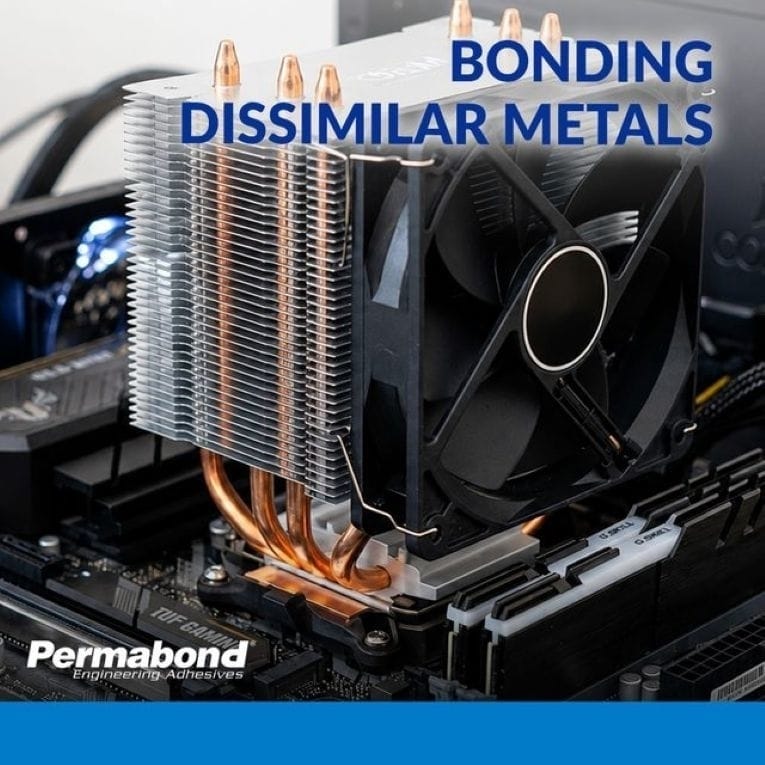
Bonding Dissimilar Metals: How to Choose the Right Adhesive
We recently published comprehensive articles on bonding a variety of metals, including aluminium, copper and stainless steel.
Modern products rarely consist of only one material. In the case of metals, different metals bring different things to the table – some bring great electrical conductivity, some bring excellent resistance to corrosion and rust, some are lightweight while others are easier to machine & shape. A major benefit of incorporating adhesives into your product design is that you gain much greater freedom and flexibility in your choice of materials – so you can freely choose the best metals that work for what your product is meant to achieve.
There are many real-world applications where dissimilar metals come into contact with each other.
Some examples include:
* Electric vehicle batteries – in EV batteries, copper current collectors are connected to aluminium tabs or busbars. Copper’s superior electrical conductivity combines with aluminium’s lightweight and cost-effective properties.
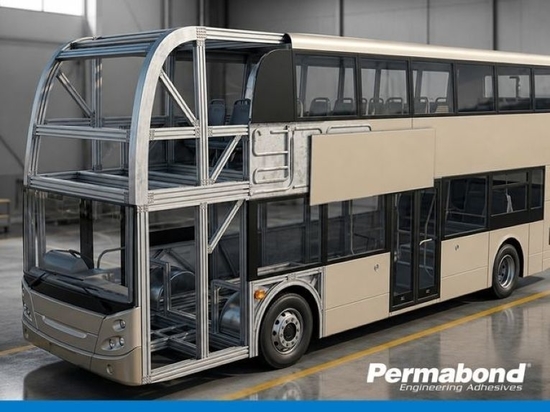
* Car frames – another automotive application is bonding aluminium panels to high strength steel frames. The lightweight nature of the aluminium improves fuel efficiency, while the strength and durability of the steel increases crash safety.
* Aircraft fuselages – titanium skin sections are bonded or fastened to aluminium substructures in high-performance aircraft for optimal stress and temperature resistance.
* Plumbing – connecting copper water pipes to steel or brass fittings.
The best adhesives for bonding dissimilar metals:
* Epoxies
* Anaerobic Adhesives
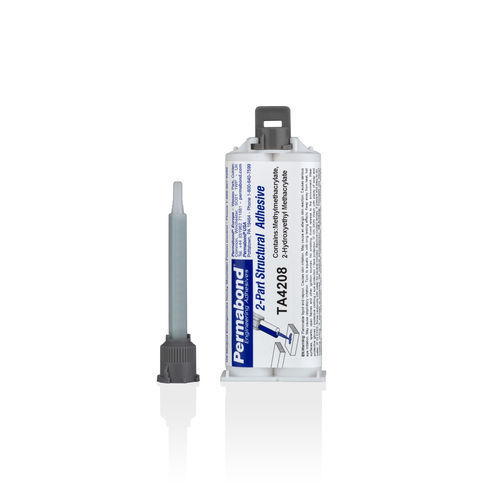
* Structural Acrylic Adhesives
* Cyanoacrylates
If you have any questions about bonding dissimilar metals or to discuss your application, please contact us.