
#Industry News
The Chemistry of Salt Resistance: Beyond Standard SAPs
Unlocking the Mechanisms of High-Performance Polymers in Saline Environments
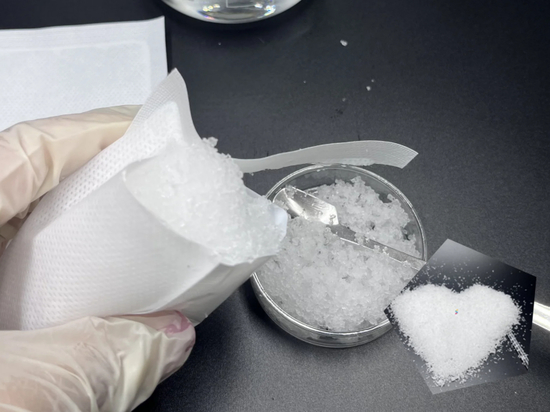
In standard sodium polyacrylate, absorption is driven by osmotic pressure. When the surrounding liquid is saline, the concentration gradient decreases, and the polymer chains "collapse," leading to poor liquid lock-up.
As someone who studies these cross-linked networks, I find the ST-160 formulation fascinating because it utilizes a modified molecular structure specifically designed to withstand high ionic interference.
Key Performance Benchmarks:
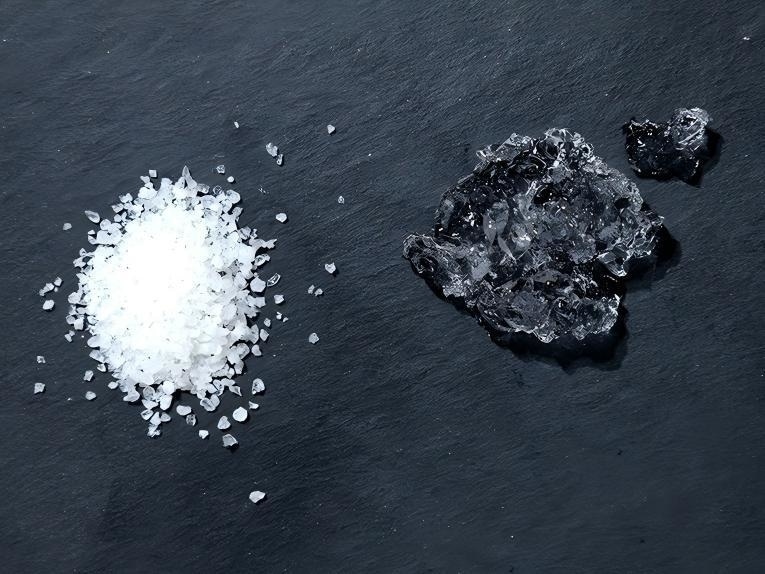
High TDS Resilience: Unlike conventional SAPs that lose nearly 90% of their capacity in salt water, ST-160 maintains stable gel strength in concentrated brine and saline effluents.
Expansion Efficiency: In deionized water, it can absorb $\geq 350$ times its mass. Even in complex saline mixtures, its dosage-to-solidification ratio remains significantly lower than traditional bulking agents like sawdust or cement.
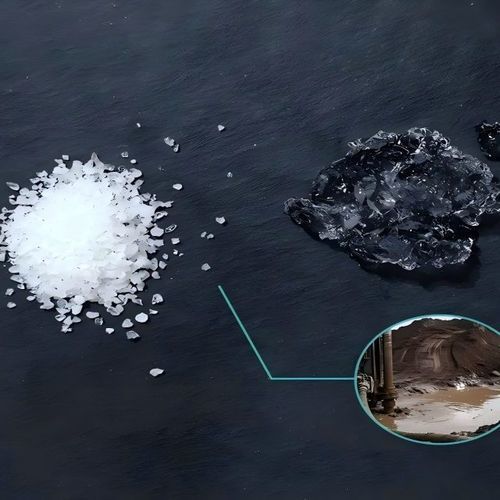
Rapid Immobilization: The transition from liquid to a stable, non-flowing gel occurs within minutes, facilitating immediate transport and disposal compliance.
Critical Applications for 2026
The demand for high-performance solidification has expanded globally, particularly in regions with strict environmental discharge regulations like North America, the EU, and coastal industrial hubs in Asia.
1. Mining and Oil & Gas (Drilling Waste)
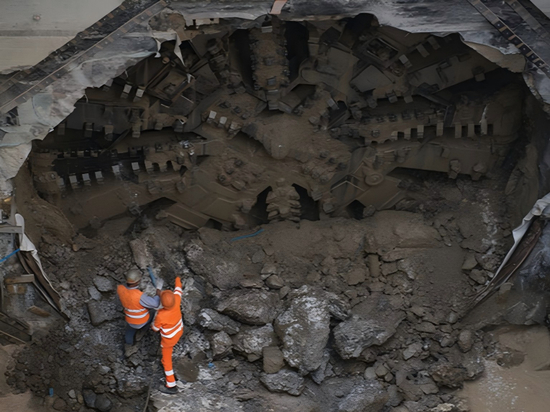
Fracturing flowback and produced water are notoriously high in salinity. Using a saline-specific polymer allows operators to solidify drilling cuttings on-site, passing the EPA Paint Filter Test (Method 9095) for landfill disposal without adding massive weight or volume to the waste.
2. Industrial Sludge & Brine Management
For manufacturing plants dealing with high-TDS wastewater, ST-160 provides a "dry" solution. By turning liquid brine into a manageable semi-solid, we significantly reduce the risk of leachate and odors during handling and transit.
3. Environmental Remediation
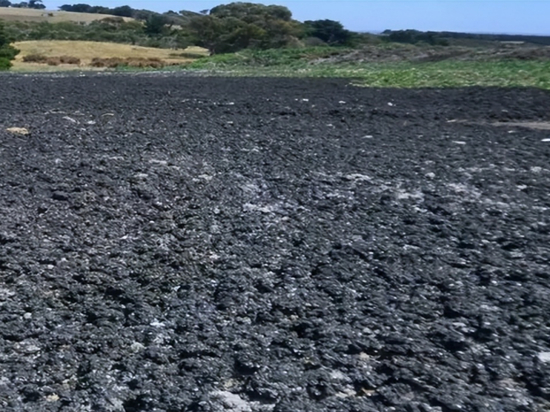
In projects involving contaminated sediment or saline pond closures, the ability to lock away heavy metals and pollutants within a stable hydrogel matrix is a game-changer for ecological safety.
Why This Matters for Your Operations
From a research and cost-efficiency perspective, the "dosage-saving" aspect of these modified polymers is the real winner. By using a material that actually works in salt, you reduce:
Logistics Costs: Less solidifier means lower transportation weight.
Disposal Fees: Smaller waste volume translates directly to lower tipping fees at landfills.
Operational Risk: A more stable gel means zero leakage during the haul.