#Product Trends
Soiling Impact on Photovoltaic Panel Performance
Maximize Solar Panel Efficiency with Soiling Sensors and Smart Maintenance
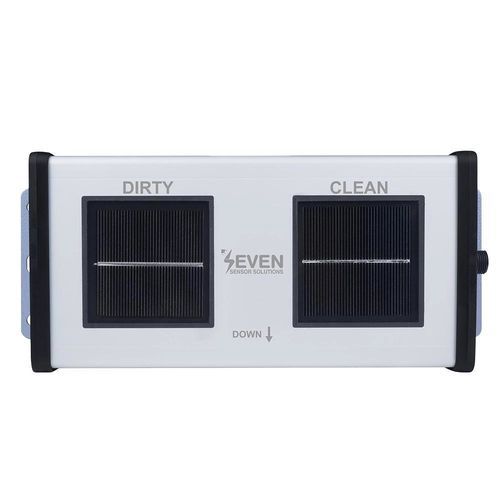
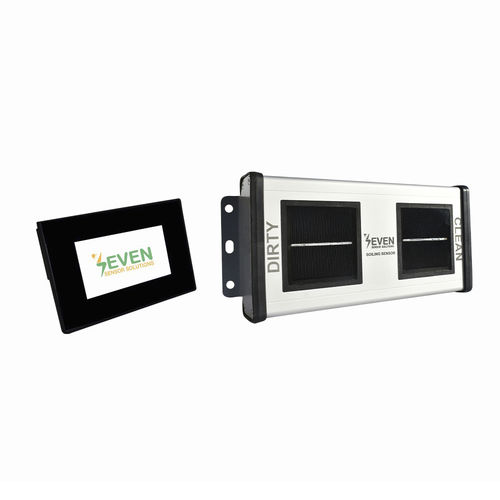
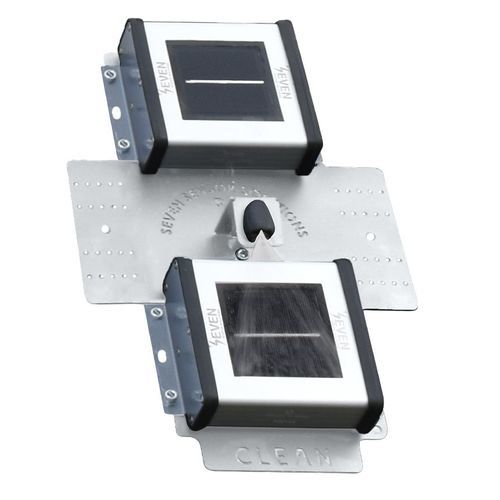
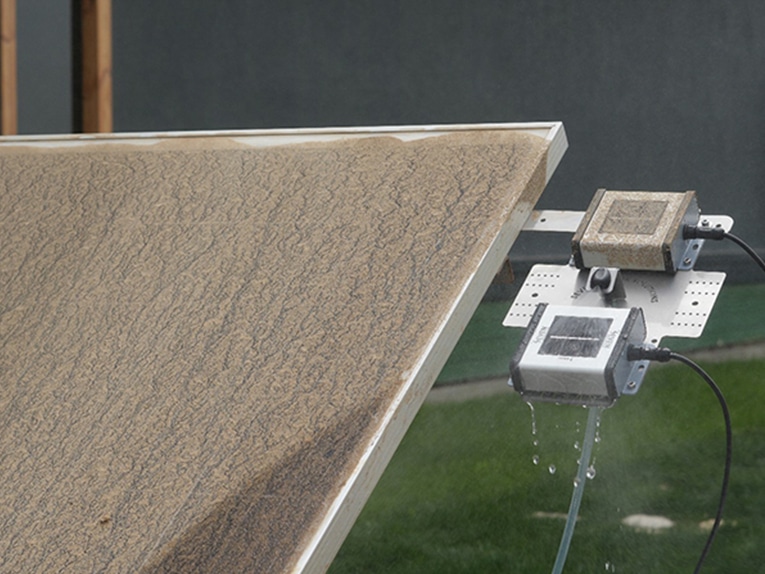
Soiling—the accumulation of dust, dirt, pollen, bird droppings, and other airborne particles on photovoltaic (PV) panels—can lead to significant energy losses by blocking sunlight and creating uneven shading across the surface of the panels. These issues not only reduce daily energy output but can also cause long-term damage through hotspots and thermal stress, ultimately shortening the lifespan of solar installations. Soiling rates are influenced by multiple environmental and operational factors, including geographic location, panel tilt angle, humidity levels, nearby roads or agricultural activity, and the type of dust present. In high-dust regions such as deserts or industrial zones, the impact of soiling can be especially severe. To address this challenge, soiling sensors have become essential tools for modern PV systems. These devices monitor dust accumulation in real time, enabling solar operators to optimize cleaning schedules based on actual soiling conditions rather than fixed intervals. This data-driven approach improves energy efficiency, reduces unnecessary cleaning costs, and supports long-term system reliability. Complying with international standards such as IEC 61724-1:2021 further ensures that soiling is measured accurately and consistently, especially in large-scale solar operations. By actively monitoring soiling and responding to it with targeted maintenance, PV system owners can maximize energy production, minimize downtime, and increase the overall return on investment in solar energy.