#White Papers
Thermopile Pyranometers vs. Reference Cells: Selecting the Right Device for Solar Measurements
Thermopile Pyranometers vs. Reference Cells
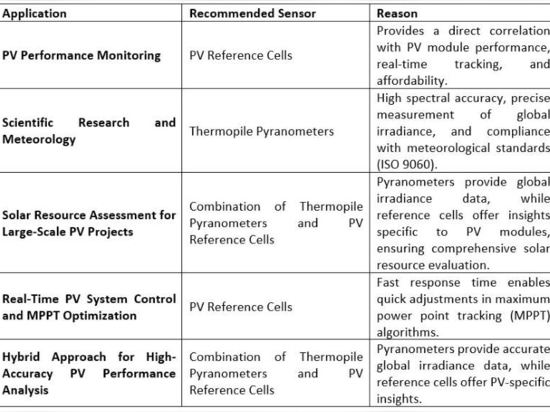
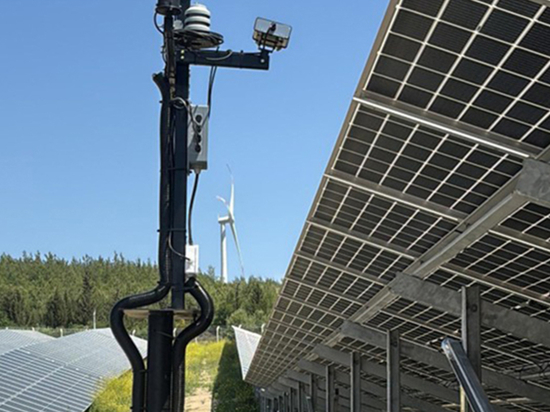
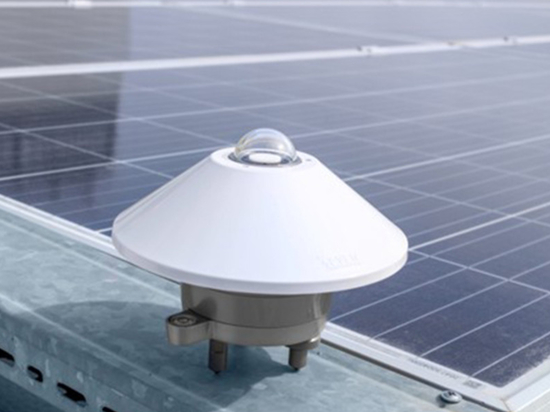
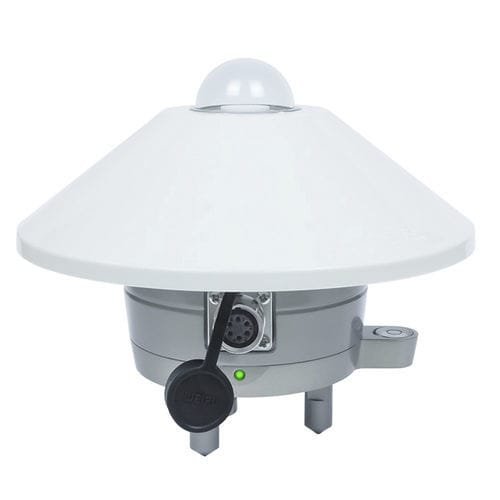
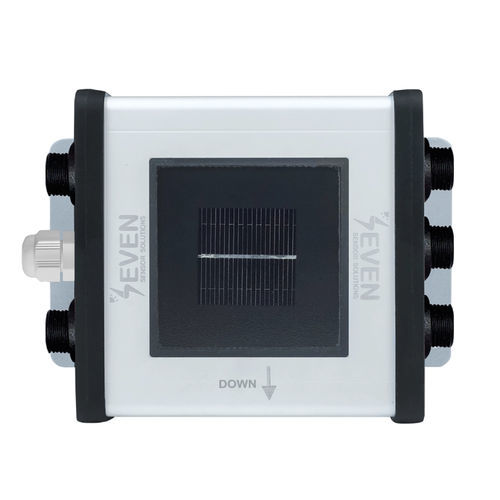
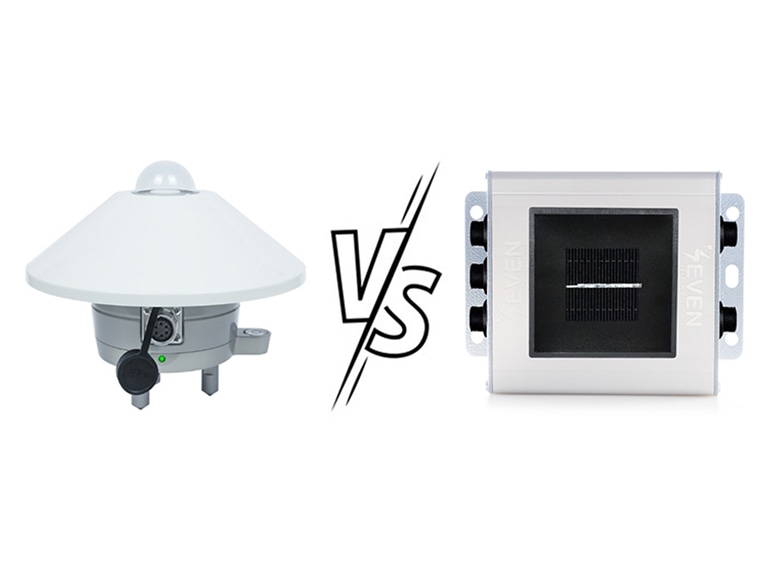
Accurate measurement of solar irradiance is essential for evaluating the performance and efficiency of photovoltaic (PV) systems. Two primary sensor types used in the solar industry for this purpose are thermopile pyranometers and PV reference cells. While both serve to measure solar irradiance, they operate based on different principles and are suited for different applications. Thermopile pyranometers are radiometric instruments that measure global solar radiation across a wide spectral range, typically from 285 nm to 3000 nm. They work by detecting the temperature difference created by solar radiation on a black-coated surface, producing a voltage output proportional to the incoming irradiance. This spectrally flat response makes them ideal for meteorological measurements, scientific research, and performance validation where high accuracy and minimal spectral bias are required. However, they have relatively slow response times, often in the range of seconds, and must be calibrated regularly. Additionally, since they are usually mounted horizontally, they don’t directly measure the irradiance received by tilted PV modules unless they are installed at the same orientation. On the other hand, PV reference cells are silicon-based sensors that mimic the electrical behavior of actual PV modules. These sensors are calibrated to provide measurements of irradiance in the Plane of Array (POA), making them highly relevant for PV performance monitoring and system-level diagnostics. Reference cells have a fast response time and are built to withstand outdoor conditions, offering real-time data that closely reflects the energy production of the PV system. However, because their spectral sensitivity is limited to the range of silicon solar cells (roughly 300–1200 nm), their readings can be influenced by spectral changes caused by weather, location, or time of day. This makes them less suitable for applications requiring high spectral accuracy, though they are the preferred choice for calculating performance ratios and for general PV system monitoring. Ultimately, the choice between a thermopile pyranometer and a PV reference cell depends on your specific measurement goals. If you require highly accurate, spectrally consistent data for research or validation purposes, a thermopile pyranometer is likely the better option. If your focus is on practical, real-time monitoring of system performance under operational conditions, a PV reference cell is more suitable. SEVEN Sensor offers both types of devices, ensuring that whether you’re monitoring a utility-scale solar plant or conducting irradiance studies, you’ll have the right tool for the job.