#White Papers
PV Sensors in Hot Regions: Challenges & Solutions
How SEVEN Sensors Maintain Accuracy and Reliability in Extreme Heat
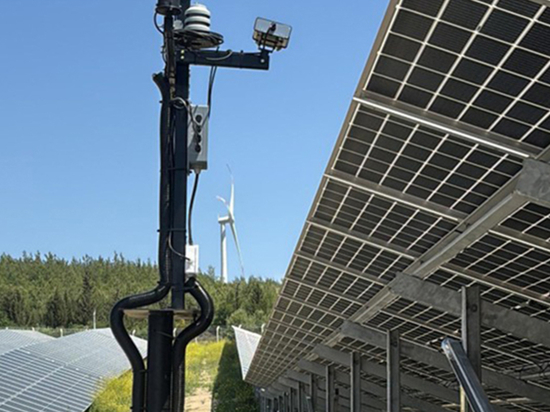
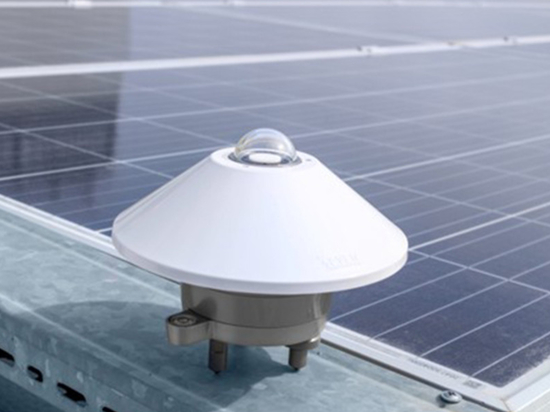
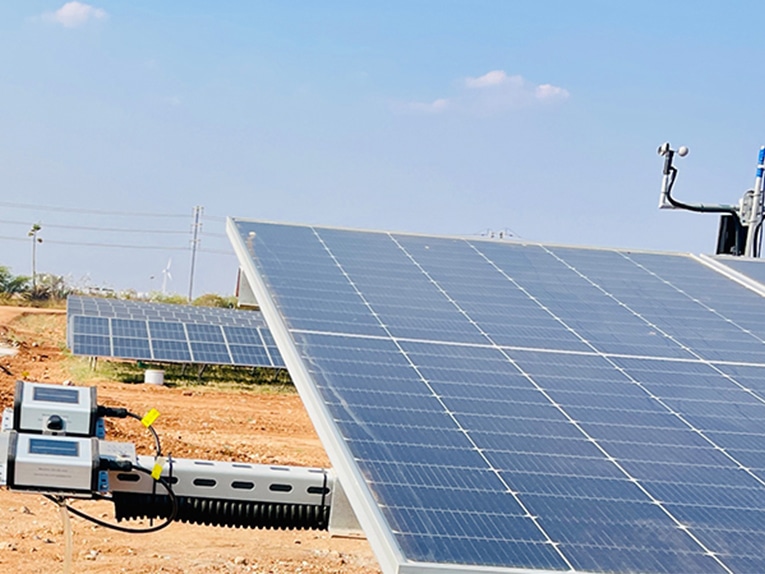
Operating photovoltaic sensors in regions with extreme temperatures—such as deserts or sun-drenched open fields—comes with a range of technical challenges. Prolonged exposure to heat can lead to electronic drift, signal degradation, thermal expansion, and faster material aging, all of which compromise the accuracy and lifespan of monitoring systems. SEVEN’s sensors are specifically engineered to overcome these conditions. Designed with high-temperature-resistant materials, UV-stable housings, and precision-calibrated electronic components, SEVEN sensors remain stable even when ambient temperatures exceed 50°C. Built-in ventilation features prevent moisture buildup due to rapid temperature changes, helping preserve long-term performance. From irradiance sensors to thermopile pyranometers, SEVEN solutions are tested for continuous operation in environments up to 85°C. With successful deployments in countries like Saudi Arabia, India, Egypt, and Australia, these sensors deliver consistent, high-quality data—ensuring solar plant operators can rely on accurate monitoring even in the world’s most extreme climates.