#Industry News
Pyranometer Technical Specifications According to ISO 9060:2018 Standard
Understanding Pyranometer Performance According to ISO 9060:2018 and ISO 9901:2021
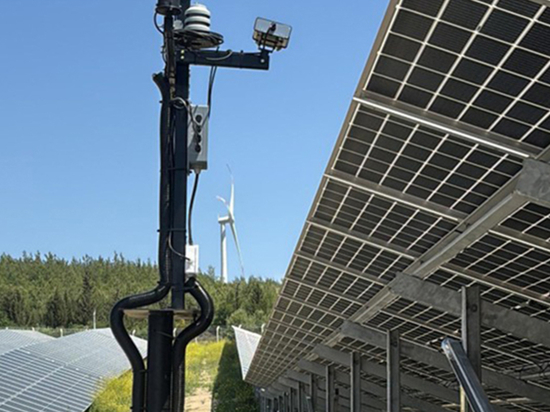
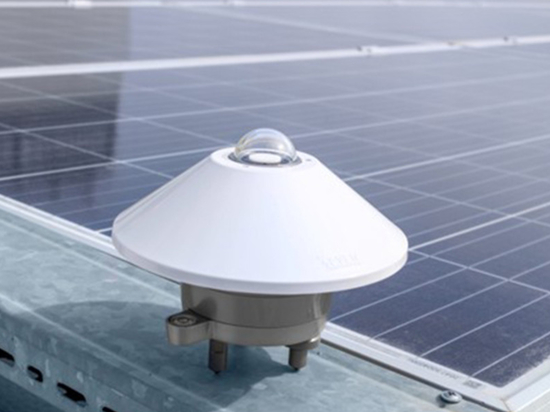
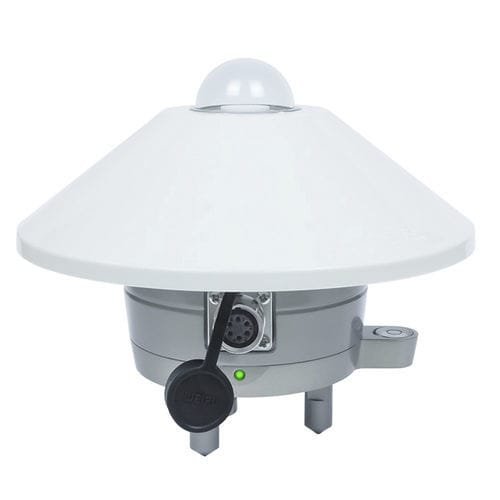
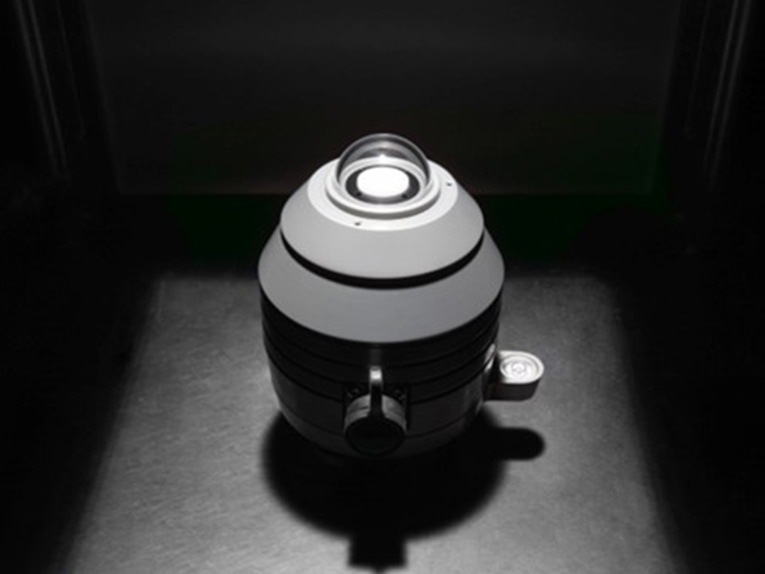
Thermopile pyranometers are precision instruments used to measure solar irradiance in applications such as solar energy systems, meteorological research, and climate monitoring. Their performance is classified according to the internationally recognized ISO 9060:2018 standard, which defines categories like Class A, B, and C based on technical parameters. These include response time, zero offset, non-stability, non-linearity, directional and spectral response, temperature effects, tilt sensitivity, and digital signal processing accuracy. The SEVEN 3S-TP-MB-A Thermopile Pyranometer meets the highest classification—Spectrally Flat Class A—thanks to its low uncertainty, fast response, and excellent long-term stability. Each parameter defined by the ISO standard is critical in determining the reliability and precision of solar radiation measurements, especially in harsh or dynamic outdoor conditions. In addition to ISO 9060, the ISO 9901:2021 standard offers a broader framework for evaluating total measurement uncertainty. It considers various sources such as calibration accuracy, temperature response, zero offsets, data logging errors, and maintenance-related factors. A practical example illustrates how each component contributes to overall uncertainty during irradiance measurement at midday under clear sky conditions. Engineered for accuracy and durability, the SEVEN pyranometer offers dependable performance for both energy yield analysis in PV plants and data consistency in scientific studies—ensuring confidence in every watt per square meter recorded.