#Product Trends
Pyranometers for Irradiance Measurement: Types and Usage
Understanding Thermopile, Photodiode, and PV Pyranometers for Accurate Solar Irradiance Measurement
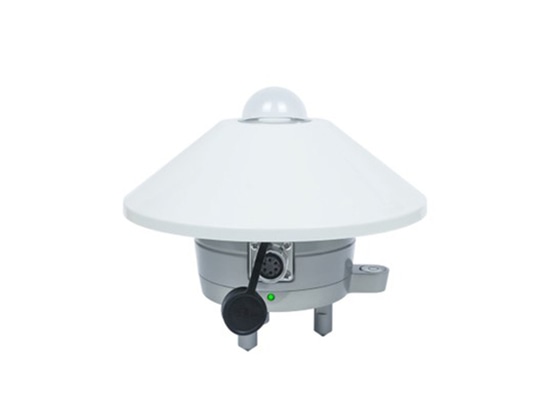
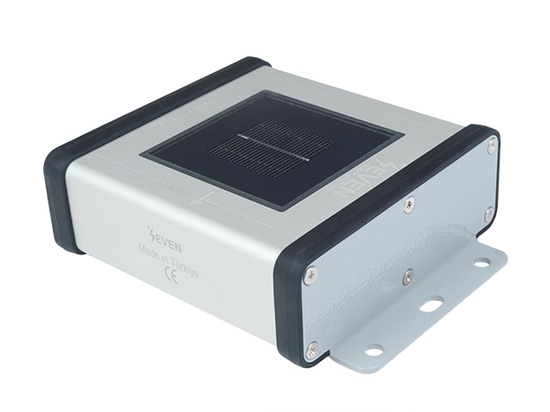
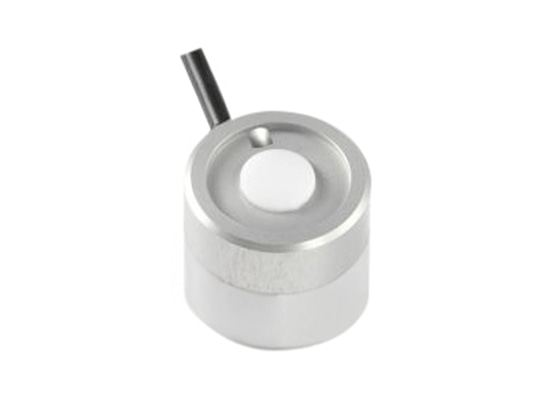
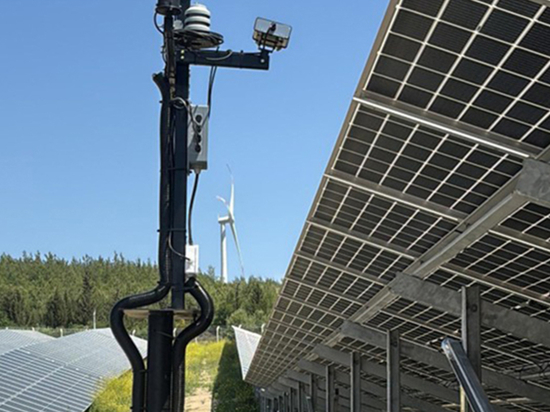
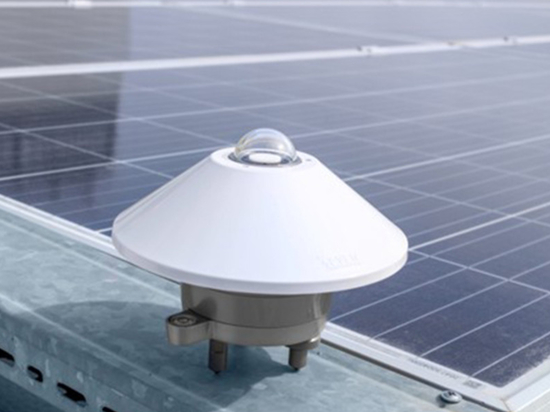
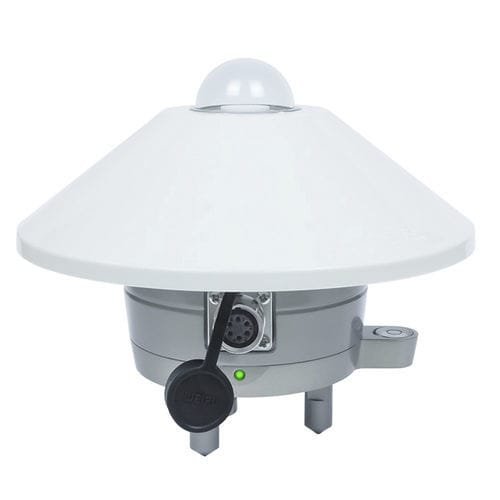
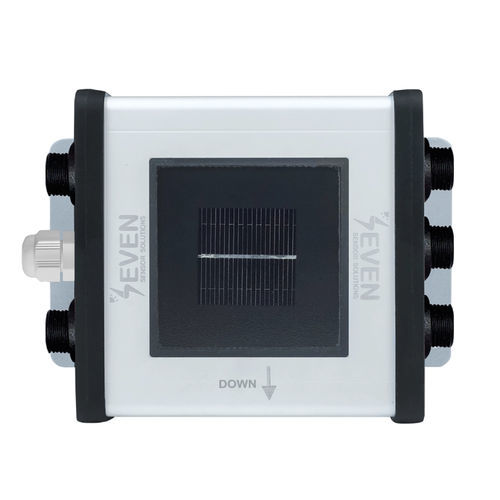
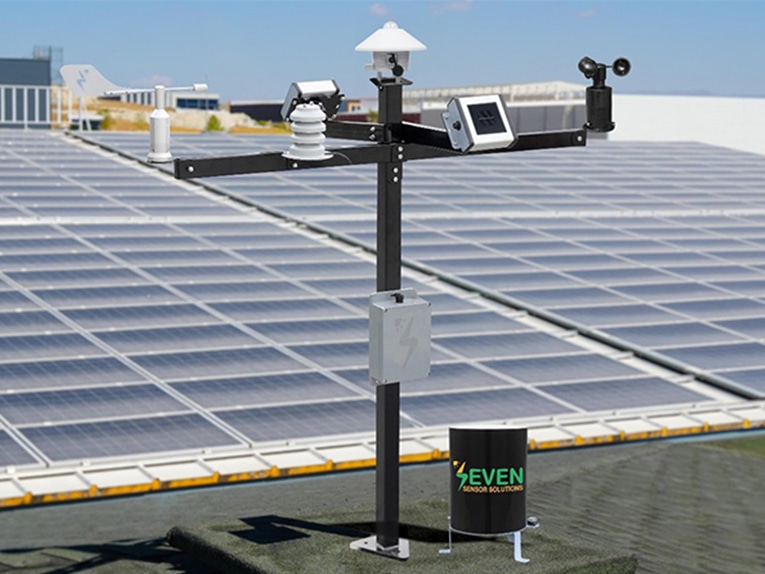
Pyranometers are critical for measuring solar irradiance—the power per unit area of sunlight received at a location—and understanding the differences between the main types is key to selecting the right instrument for your application. Thermopile pyranometers use a thermopile sensor under a glass dome to measure both direct and diffuse radiation across a broad spectral range (300–2800 nm), offering the most accurate and stable readings, especially important in meteorology, climatology, and scientific research. Photodiode pyranometers convert light into an electrical signal with semiconductor materials, providing a low-cost solution with limited accuracy and a narrower spectral range (400–1100 nm), which is sufficient for general agricultural monitoring where precise measurements are not required. PV pyranometers, also known as reference cell sensors, feature monocrystalline silicon cells calibrated to the same spectral range as PV panels (280–1200 nm) and measure Plane of Array (POA) irradiance, making them the most relevant sensors for PV plant performance monitoring and performance ratio calculations. Choosing the right pyranometer also depends on your application: PV pyranometers are ideal for photovoltaic systems because they replicate the behavior of PV modules and allow accurate PR calculations, while thermopile pyranometers are preferred in meteorological stations for their spectrally flat response, and photodiode pyranometers are suitable for agricultural or general-purpose use. SEVEN offers a comprehensive lineup of Class A and Class B thermopile and PV pyranometers compliant with IEC61724-1:2021, available with Modbus RTU or analog outputs, and designed for easy recalibration in PV laboratories worldwide without returning them to the factory—thanks to SEVEN’s innovative user-friendly configuration tool. This ensures operators can maintain sensor accuracy, extend operational life, and confidently rely on precise irradiance measurements tailored to the demands of their specific installations, whether for optimizing solar power production or supporting critical research.