#Industry News
Why Are Weather Monitoring Stations Important in PV Systems?
Protect Your Solar Investment with Accurate Weather Data
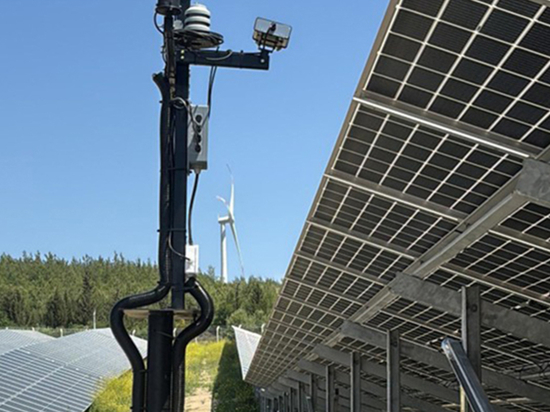
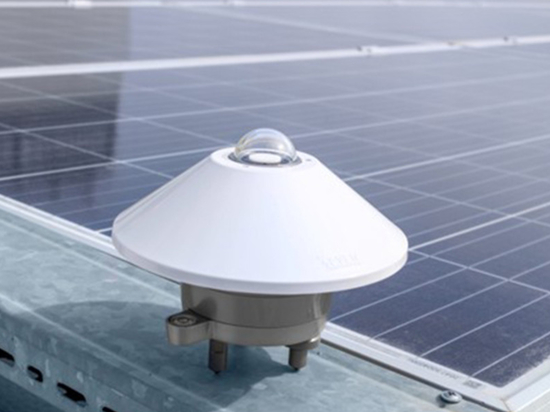
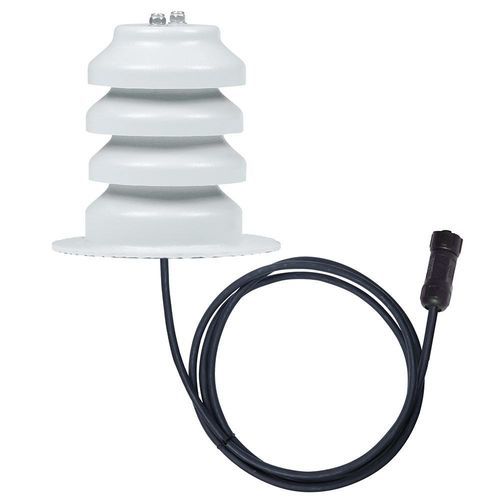
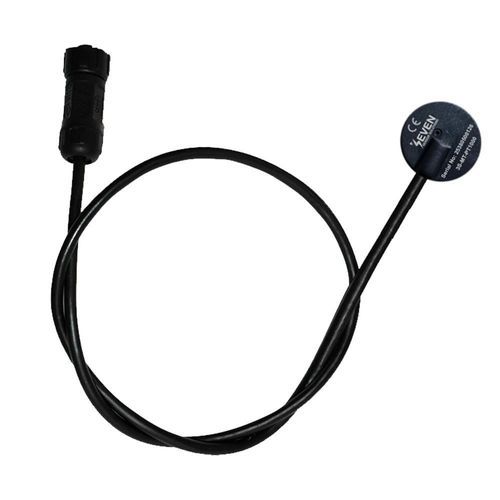
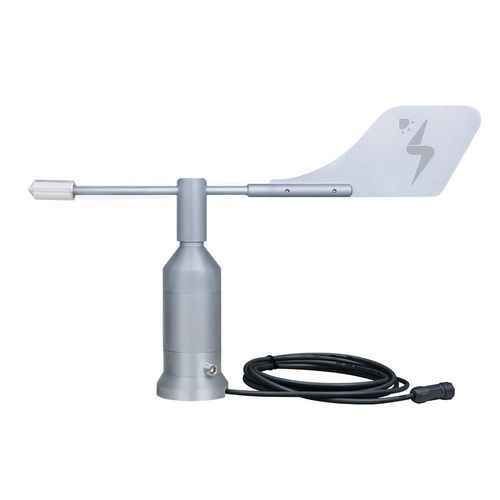
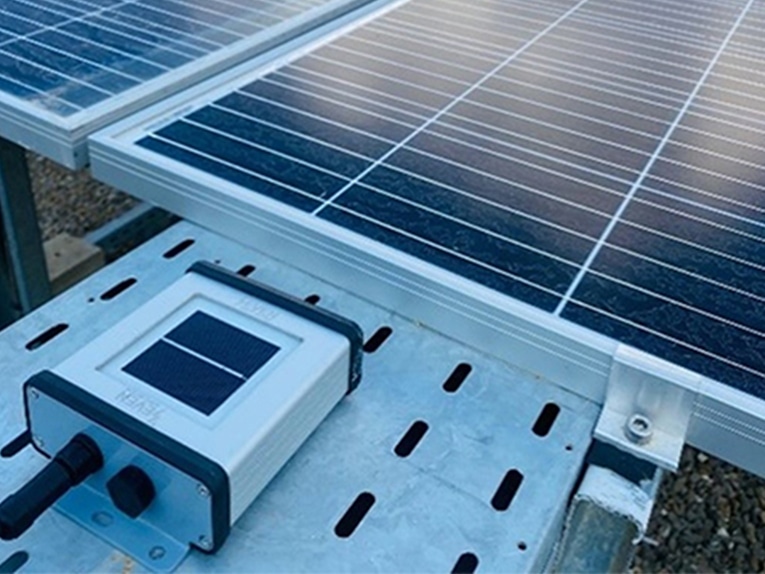
Weather monitoring stations are indispensable for photovoltaic (PV) systems because they provide the reliable data needed to protect your investment from hidden losses. Even when two solar plants are built identically with the same panels, inverters, and cables, production discrepancies can occur due to subtle performance issues. Without precise monitoring, these problems can lead to undetected losses amounting to tens of thousands of dollars annually. Weather monitoring stations prevent this by continuously comparing actual energy output to the expected energy production calculated from key environmental measurements—irradiance, module temperature, ambient temperature, and wind speed. If a plant generates less energy than expected, the station alerts operators to a potential issue, enabling them to take corrective action before minor problems escalate into major financial setbacks. These stations are affordable compared to the total cost of a solar installation, with complete setups typically costing between $1,000 and $2,000, yet they offer invaluable protection for long-term profitability. As solar energy adoption expands, including weather monitoring stations has become a standard requirement in many technical specifications to guarantee optimal performance, detect underperformance instantly, and maximize return on investment. Whether you’re a large-scale investor or an individual plant owner, a weather monitoring station is a smart way to ensure your PV system meets its performance goals, giving you confidence that your solar assets are delivering the revenue they should.