#Product Trends
SEVEN Soiling Sensors: Which One Should You Choose?
Choosing the right SEVEN soiling sensor based on your site, budget, and maintenance needs
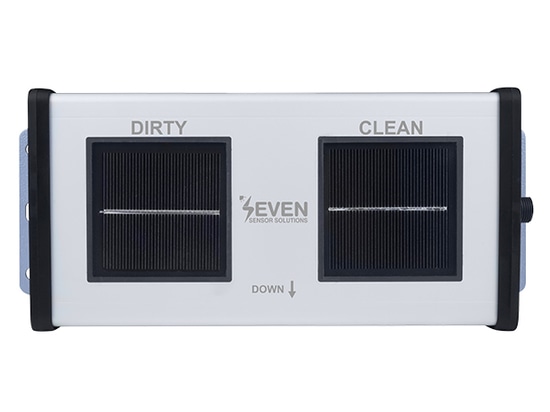
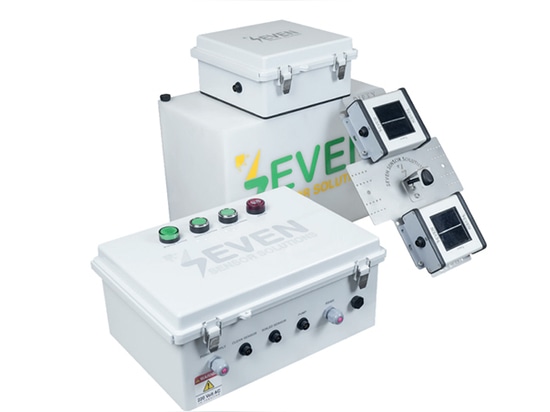
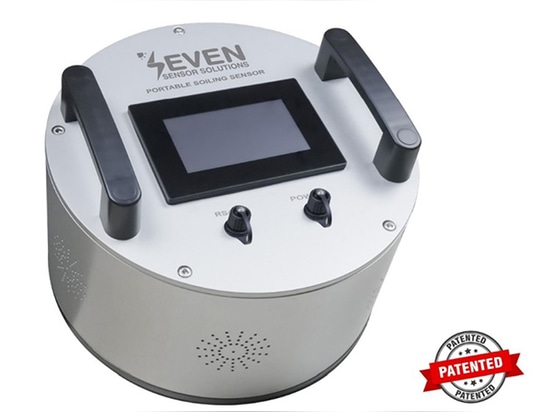
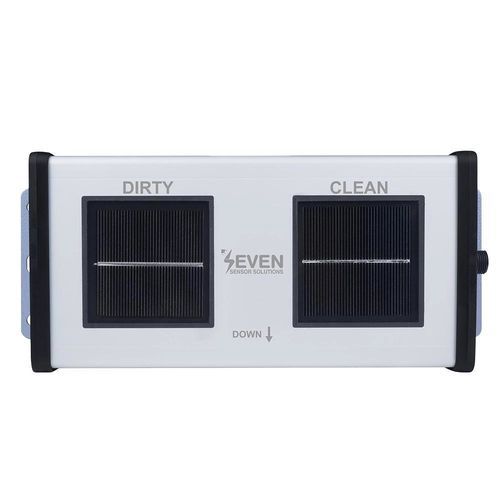
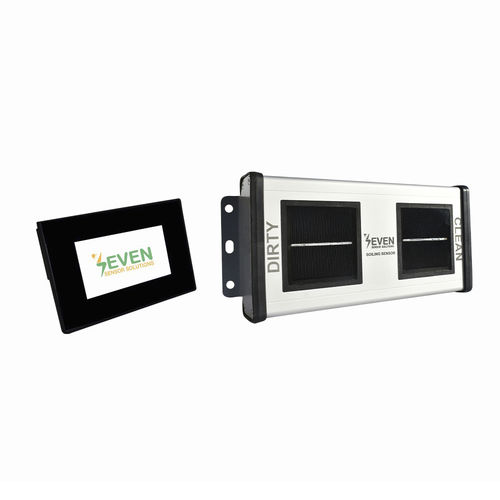
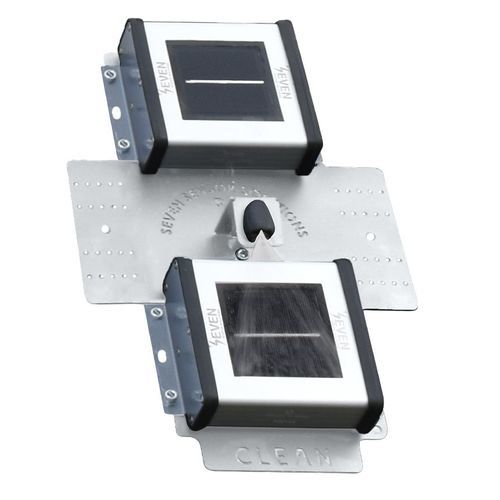
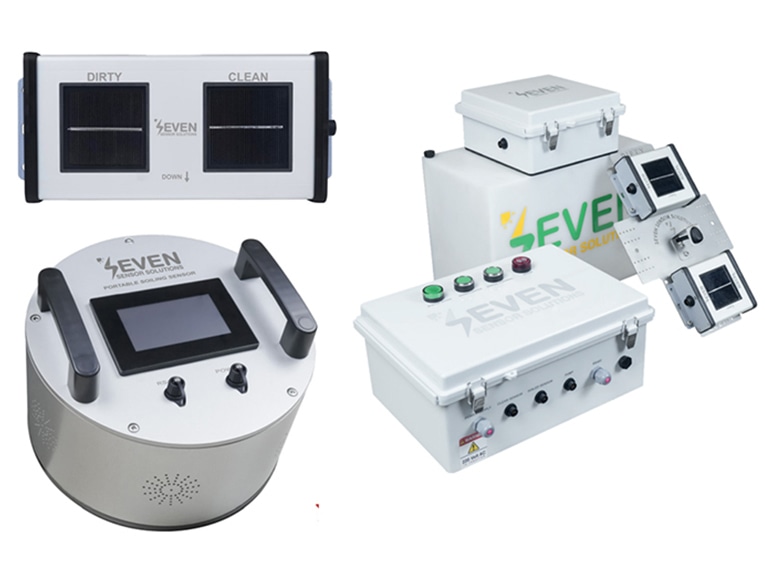
When it comes to monitoring soiling on solar panels, there's no single solution that fits every job. Some sites are small and easy to access, others are massive or remote. Some teams prefer manual tools they can manage on their own, while others need systems that run in the background without constant attention. This article looks at the different types of soiling sensors SEVEN offers and helps you figure out which one makes the most sense based on how you work and what you need. The manual sensors are the most basic in terms of operation, but that can be a good thing. They're simple, affordable, and effective—as long as someone on site is around to clean them regularly. They don’t collect real-time data on their own, but for many small-scale solar sites, that level of simplicity is actually a benefit. If your team can stay on top of cleaning and you’re not looking for live updates every hour, this option could be more than enough. Then there are automatic sensors, which do exactly what you’d hope. Once installed, they keep the reference cells clean on their own using water jets or built-in cleaning systems. These sensors are ideal for bigger solar farms or places that are hard to reach. Since they handle cleaning automatically, they also eliminate the kind of data drift that happens when sensors are left unattended for too long. If your goal is to maintain consistent performance and avoid unnecessary cleaning visits, this type of sensor is probably worth the investment. The third option is the portable sensor, which has been designed with flexibility in mind. It’s not meant for continuous monitoring, but it’s incredibly useful when you want to check multiple areas or need to do quick assessments without installing anything permanently. People doing maintenance rounds, inspections, or pre-cleaning checks often carry one of these. It’s fast, accurate enough for spot checks, and easy to move from one site to another. This article doesn’t just explain the technical features of each sensor—it walks you through the real-life reasons why one might work better than another. Whether you’re managing a single solar array or a whole portfolio of projects, it’s important to choose tools that match the way you operate. By the end of the read, you’ll have a clearer idea of which SEVEN soiling sensor fits your needs best and why that choice can save both time and money in the long run.