#Industry News
SEVEN Multi-Orientation Irradiance Sensor: Advanced Monitoring for Complex PV Layouts
Enhancing PV Performance with SEVEN's Multi-Orientation Irradiance Sensor
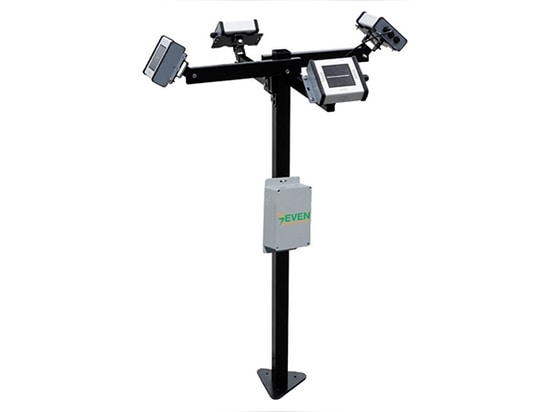
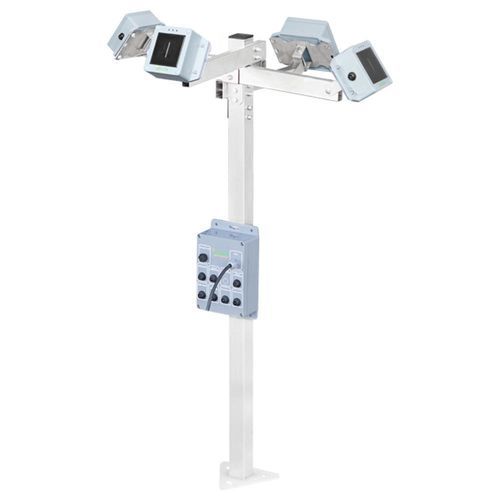
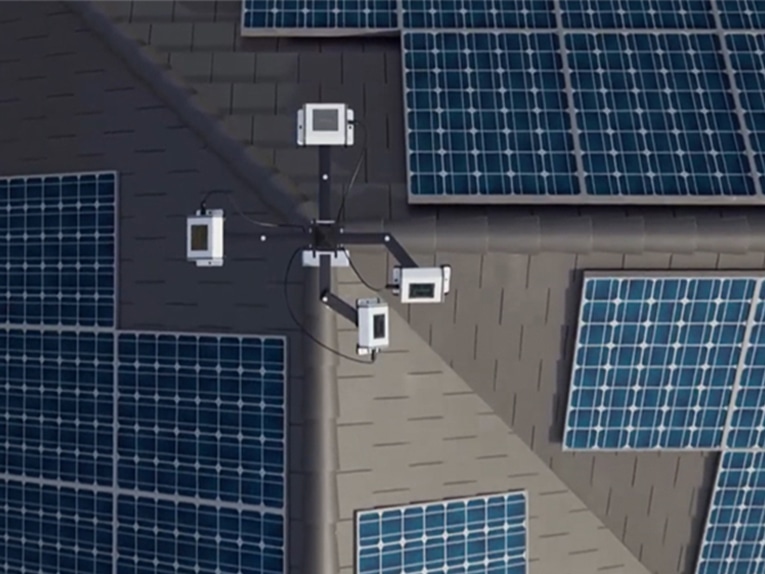
As solar energy systems become increasingly complex, especially with multi-directional rooftop configurations, the need for accurate irradiance data across multiple planes has grown. The SEVEN Multi-Orientation Irradiance Sensor addresses this need by offering precise irradiance measurements for systems with three or more module orientations. This allows for better performance modeling and energy assessments, even in the most intricate solar plant layouts.
The sensor is designed with three or four independent reference cells, each mounted at specific tilt and azimuth angles to match the real-world orientations of the PV modules. It integrates seamlessly with SCADA, inverters, and data acquisition systems via Modbus RTU, providing real-time data for effective performance ratio (PR) analysis. The system automatically calculates the total effective irradiance based on the module distribution in each orientation, improving the accuracy of energy output predictions.
Key features of the SEVEN Multi-Orientation Irradiance Sensor include Class A accuracy, rugged weatherproof housing (IP54), and optional IP68 for more demanding environments. It simplifies PV system monitoring by reducing the need for multiple independent sensors, ensuring accurate analysis across all orientations, and lowering costs.
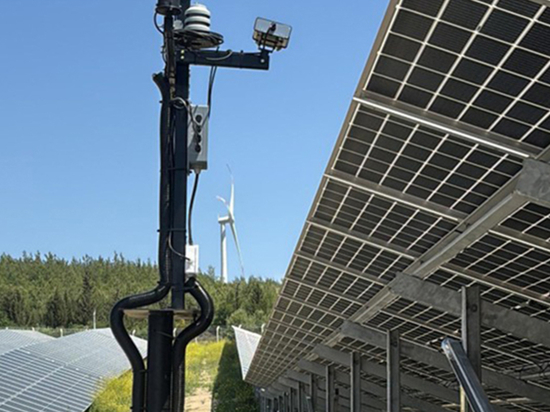
Best practices for installation include ensuring proper tilt and azimuth alignment, regular maintenance to avoid soiling, and placing the sensor in an unobstructed area with full sunlight exposure.
Ideal for multi-row bifacial layouts, high-density rooftop projects, and custom tracker arrays, the SEVEN Multi-Orientation Irradiance Sensor provides comprehensive visibility and real-time data, enabling operators to maximize PV system performance.