#Industry News
End of Line Packaging Machine: Complete Selection Guide 2026
End of Line Packaging Machine: Complete Selection Guide 2026
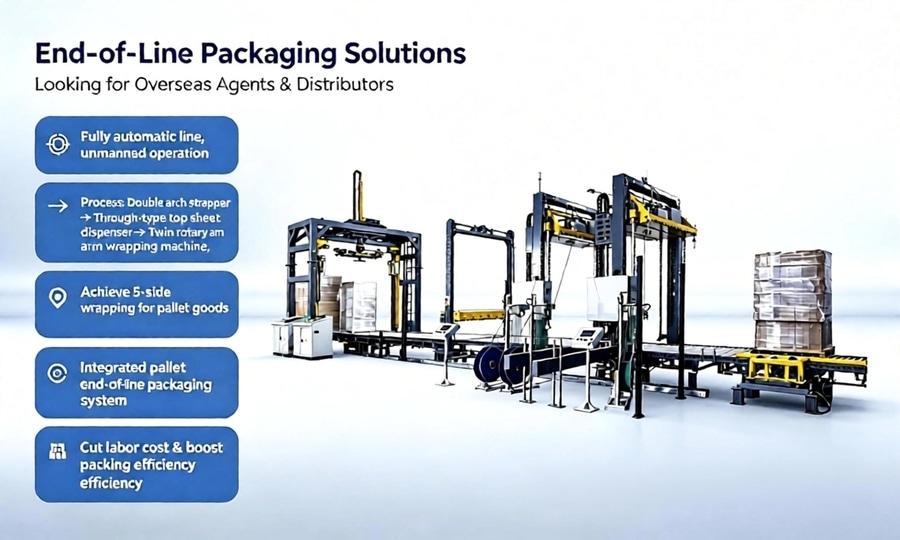
The global end-of-line packaging equipment market is projected to grow from USD 6.28 billion in 2026 to over USD 8.38 billion by 2032, expanding at a compound annual growth rate of approximately 5.0%. For manufacturers and warehouse operators, choosing the right end of line packaging machine is no longer just about wrapping a pallet — it's about building an integrated system that reduces labor costs, minimizes product damage, and keeps pace with increasing throughput demands.
Yet the sheer number of machine types — from case erectors and pallet wrappers to robotic palletizers and strapping systems — makes selection overwhelming. This guide breaks down every major category of end of line packaging equipment, explains how they work together, and provides a practical decision framework to help you select the right machines for your production environment.
The 6 Core Types of End of Line Packaging Machines
Most end of line packaging systems are built from combinations of the following six equipment types. Understanding what each does — and how they connect — is essential for proper line design.
1. Case Erectors
A case erector converts flat cardboard blanks into open-top cases ready for product loading. The machine draws blanks from a magazine, folds them into box geometry, seals the bottom flaps with tape or hot-melt adhesive, and transfers the formed case downstream.
Key specs to compare:
Speed: 20–40 cases per minute for high-speed models
Blank size range: Determines SKU flexibility
Sealing method: Tape vs. hot-melt adhesive (hot-melt offers stronger bonds for heavy products)
Footprint: Compact models available for space-constrained facilities
2. Case Packers / Packers
Case packers load products into the erected cases. Three main types are available:
3. Palletizers
Palletizers arrange cases or products onto pallets in predefined patterns. The three main categories:
Conventional palletizers: Layer-by-layer formation at high speed (up to 200+ cases/hour). Best for single-SKU, high-volume operations.
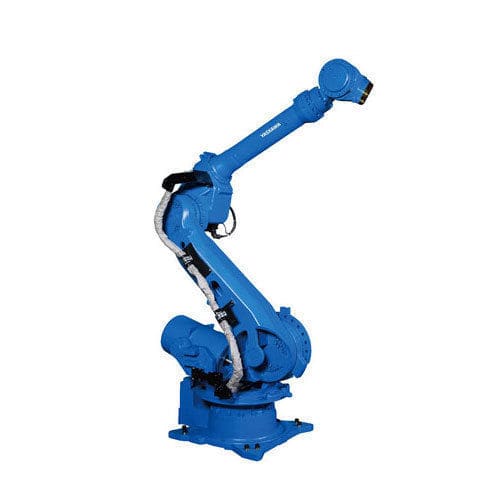
Robotic palletizers: Flexible arm-based systems that handle mixed SKUs and multiple infeed lines. Ideal for facilities with frequent changeovers.
Collaborative palletizers (cobots) : Entry-level robotic palletizers designed for easy programming and quick deployment. Growing fast in small and mid-size operations.
4. Stretch Wrappers
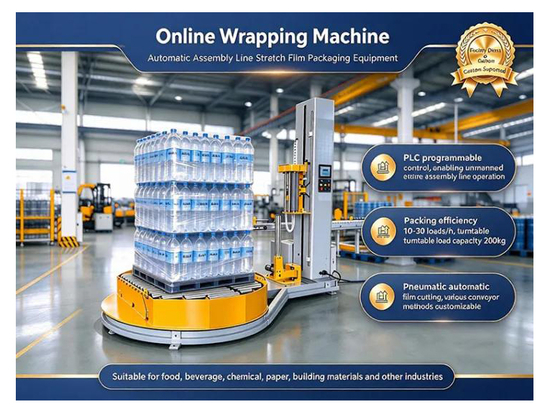
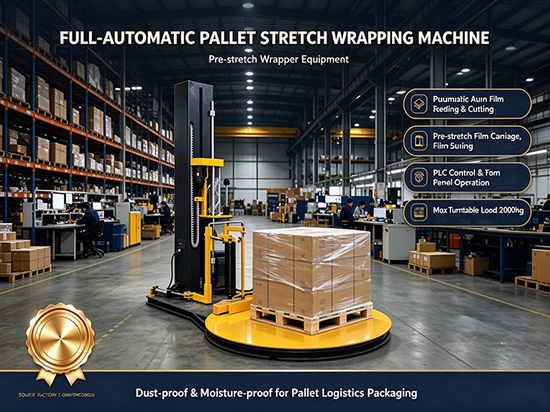
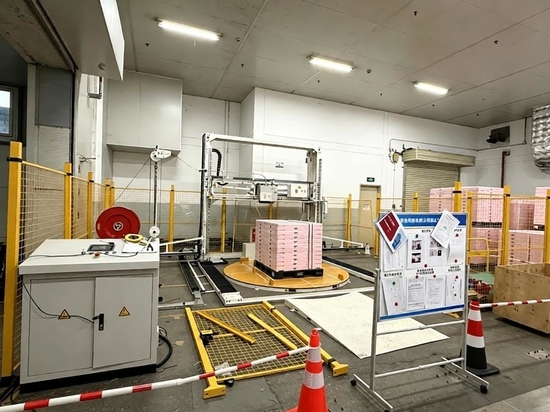
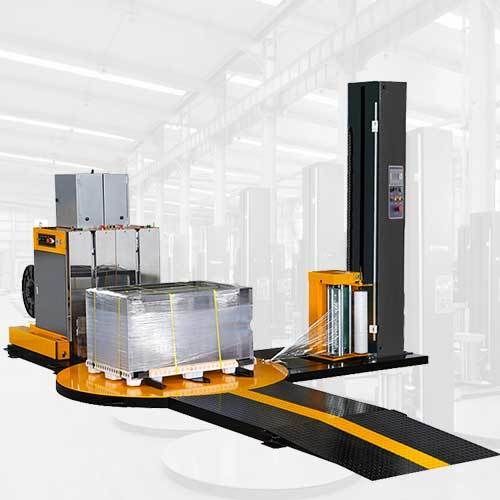
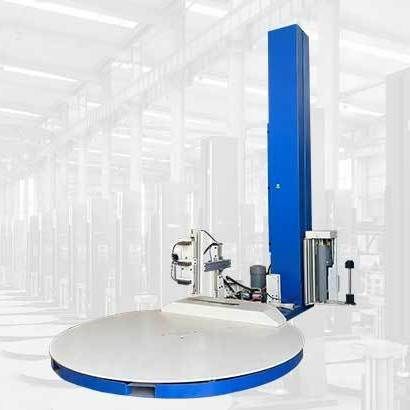
Once the pallet is built, a stretch wrapper applies LLDPE film to stabilize the load for transport. This is where Shandong Dyehome Intelligent Equipment specializes. Machine types include:
Modern stretch wrappers feature pre-stretch carriages that stretch film up to 300% before application, reducing film consumption by 30–50% compared to manual wrapping — a critical cost and sustainability advantage.
5. Strapping Machines
Strapping applies plastic (PP or PET) or steel bands around pallets or cases for additional containment. Strapping machines can be semi-automatic (operator feeds the strap) or fully automatic (integrated with conveyor systems). They are especially important for:
Heavy loads where stretch wrap alone provides insufficient containment
Pipe and steel product bundling
Securing loads for long-distance or ocean freight
6. Labeling & Inspection Systems
The final station before dispatch. Automatic labelers apply shipping labels, barcodes, and compliance markings. Vision inspection systems verify label accuracy, check seal integrity, and confirm pallet pattern correctness. These systems are increasingly integrated with warehouse management systems (WMS) for real-time tracking.