
#Industry News
Trace Moisture Measurement in PET
Bottle Manufacture
What is Polyethene Terephthalate (PET)?
Polyethylene Terephthalate (PET) is a thermoplastic polymer widely used in beverage and food packaging, valued for its strength, transparency and excellent barrier properties. Its performance, however, is closely tied to strict control of the resin’s moisture content, as even trace amounts of moisture can trigger hydrolytic degradation during high-temperature processing.
Because PET is hygroscopic, it readily absorbs moisture from ambient air. When pellets containing excess water are melted, the absorbed moisture reacts with the polymer, breaking down their molecular structure. This reaction lowers the polymer’s molecular weight, resulting in reduced mechanical strength and durability of the final product.
The Impact of Trace Moisture in PET Processing
Moisture contamination in PET processing can lead to a range of defects, including brittleness which is caused by polymer degradation, haze or discoloration from hydrolysis and bubble formation as absorbed water vapourises during molding. These issues not only affect the visual quality of the product but also compromise its barrier performance against oxygen and CO₂, ultimately reducing shelf life and jeopardising product safety.
To prevent such risks, PET resin must be thoroughly dried to below 50 ppm (0.005%) moisture before molding, typically using desiccant dryers. Maintaining these low moisture levels requires continuous monitoring and verification throughout production, ensuring both material consistency and cost efficiency by minimising scrap rates and production downtime.
Prevention and Compliance
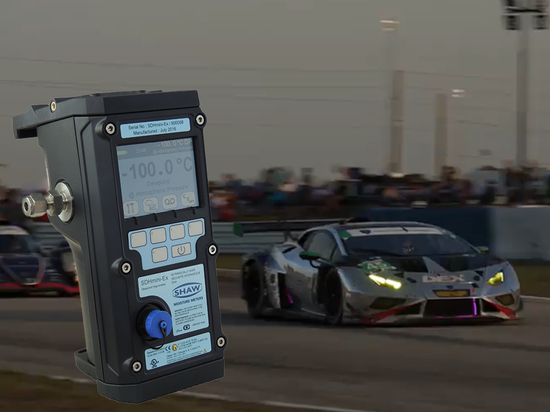
Inline dewpoint transmitters provide continuous moisture readings at the dryer outlet, allowing early detection of process inefficiencies. When integrated with automated control systems, these dewpoint sensors can trigger alarms and feedback loops to prevent wet resin from reaching the extruder or injection unit. Portable dewpoint meters should also be used for routine checks to verify dryer performance. Moisture sensors capable of measuring at ppm levels offer real-time assurance of resin quality, supporting proactive intervention before defects arise.
Maintaining optimal drying conditions also depends on consistent system maintenance, proper airflow to prevent condensation and controlled material handling to minimise ambient moisture exposure. Compliance with standards such as ISO 15512 for determining water content and ASTM D7191 for PET resin quality assurance, establishes clear limits and validation procedures. Adhering to these guidelines ensures consistent product performance, compliance and customer satisfaction.
For further guidance on trace moisture measurement in PET processing, please contact the technical team at Shaw.