#Product Trends
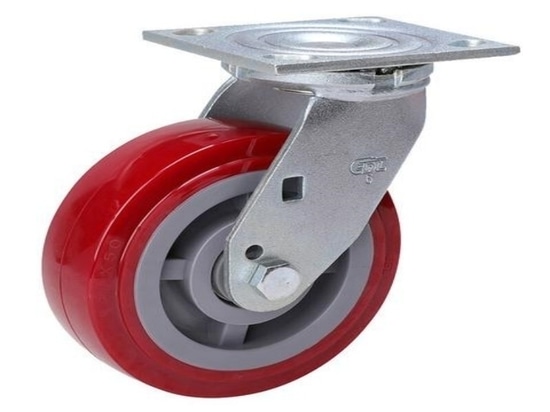
The differences and application areas of TPU casters, nylon casters and rubber casters
The differences and application areas of TPU casters, nylon casters and rubber casters
The differences between TPU casters, nylon casters, and rubber casters primarily lie in their material properties, performance, and applicable scenarios. They are as follows:
1. Material Nature
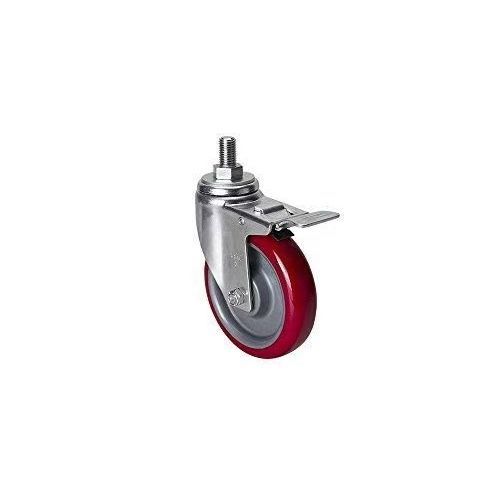
TPU casters: Made of thermoplastic polyurethane, an elastomer between rubber and plastic, they possess both the elasticity of rubber and the plasticity of plastic, resulting in a more balanced overall performance.
Nylon casters: Made of polyamide (nylon), a rigid plastic with high hardness and a sturdy structure. A crystalline polymer, they offer strong impact resistance.
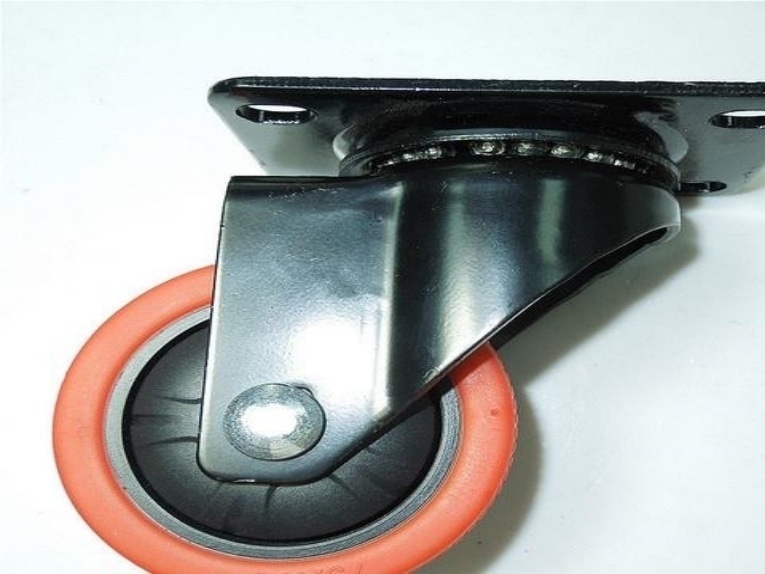
Rubber casters: Made of natural rubber or synthetic rubber (such as nitrile rubber), they are highly elastic, soft, and resilient, relying on elasticity for cushioning and friction.
2. Core Performance Differences
Hardness and Elasticity:
Nylon wheels have the highest hardness (Shore D 70-85) and are virtually inelastic; TPU wheels have a medium hardness (Shore A 85-95) and moderate elasticity; rubber wheels have the lowest hardness (Shore A 50-80) and the highest elasticity. Wear Resistance and Load-Bearing Capacity:
Nylon wheels offer the best wear resistance and are suitable for heavy loads (such as industrial equipment and large shelves); TPU wheels offer better wear resistance than rubber and can handle medium to light loads; rubber wheels offer less wear resistance and are only suitable for light loads (such as furniture and carts).
Shock Absorption and Noise:
Rubber wheels offer excellent elasticity and shock absorption, resulting in low rolling noise (suitable for quiet environments such as offices and hospitals); TPU wheels offer intermediate shock absorption and quietness; nylon wheels, due to their hard material, offer poor shock absorption and are noisy.
Floor Adaptability and Protection:
Nylon wheels are suitable for rough surfaces (such as concrete and workshop floors) and are highly scratch-resistant, but can easily scratch smooth floors; rubber wheels are floor-friendly and can protect smooth surfaces like wood floors and tiles; TPU wheels offer intermediate floor adaptability and protection. Temperature and Corrosion Resistance:
Nylon wheels offer good temperature resistance (-30°C to 120°C) and are resistant to chemicals (acids and alkalis). TPU wheels offer a wide temperature range (-40°C to 80°C) and are oil and water resistant. Rubber wheels offer average temperature resistance (-20°C to 70°C) and are susceptible to aging at high temperatures. Some types (such as nitrile rubber) are oil resistant, but are generally susceptible to swelling.
III. Applicable Applications
TPU casters: Suitable for applications requiring a balance between wear resistance and elasticity, such as medical equipment, medium-sized logistics carts, and shelving. They offer a balanced balance of load-bearing capacity, quiet operation, and floor protection.
Nylon casters: Suitable for industrial environments and heavy machinery, such as forklifts, workshop transfer vehicles, and large storage equipment. They perform particularly well on rough surfaces or where chemical resistance is required.
Rubber casters: Mostly used in homes and offices, such as furniture casters, luggage, and cleaning tools. They are suitable for smooth surfaces and reduce noise and scratches. IV. Other Differences
Cost: Rubber wheels are relatively inexpensive, followed by TPU wheels. Nylon wheels are relatively more expensive due to their higher material strength.
Lifespan: Nylon wheels have the longest lifespan under heavy loads; TPU wheels are more durable than rubber under medium loads; rubber wheels are susceptible to shortened lifespan due to wear and aging over time.
These differences allow you to select the appropriate caster type based on your specific needs (such as load, floor surface, and noise requirements).