#Industry News
Comparison of Sealing Performance of Flexible Graphite Packing and PTFE Packing
Comparison of Sealing Performance of Flexible Graphite Packing and PTFE Packing
Sealing technology is crucial in industrial production, directly impacting production safety, stability, and efficiency. Flexible graphite packing and PTFE (polytetrafluoroethylene) packing are two commonly used sealing materials, each exhibiting unique performance advantages and widely used in different fields.
I. Performance Characteristics Revealed
(I) Flexible Graphite Packing
Excellent Temperature Resistance: Flexible graphite packing is a true master of temperature resistance. In low-temperature environments, it can easily withstand temperatures as low as -200°C. In high-temperature environments, it can stably operate up to 500°C in oxidizing media and withstand extreme temperatures of up to 2000°C in non-oxidizing media, all while maintaining excellent sealing performance.
Excellent Chemical Stability: In addition to strongly oxidizing media such as nitric acid, fuming sulfuric acid, chromic acid, and halogens, flexible graphite packing exhibits excellent corrosion resistance to other acids, bases, organic solvents, organic gases, and steam, making it resistant to aging and deterioration. Excellent flexibility and resilience: Its unique structure imparts exceptional flexibility and resilience, allowing the resulting incision packing to bend freely over 90° along the axial direction. In actual use, it resists leakage due to temperature, pressure fluctuations, and vibration, ensuring safety and reliability.
Low friction and self-lubrication: Flexible graphite has a low coefficient of friction and excellent self-lubricating properties. In high-speed, high-pressure sealing areas, it reduces wear on mating components, extending equipment life, while also lowering drag torque and reducing energy consumption.
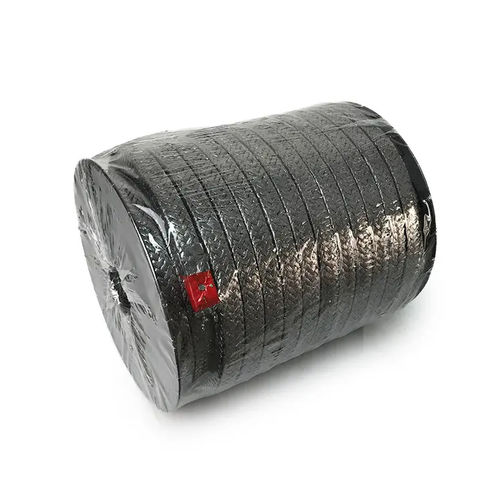
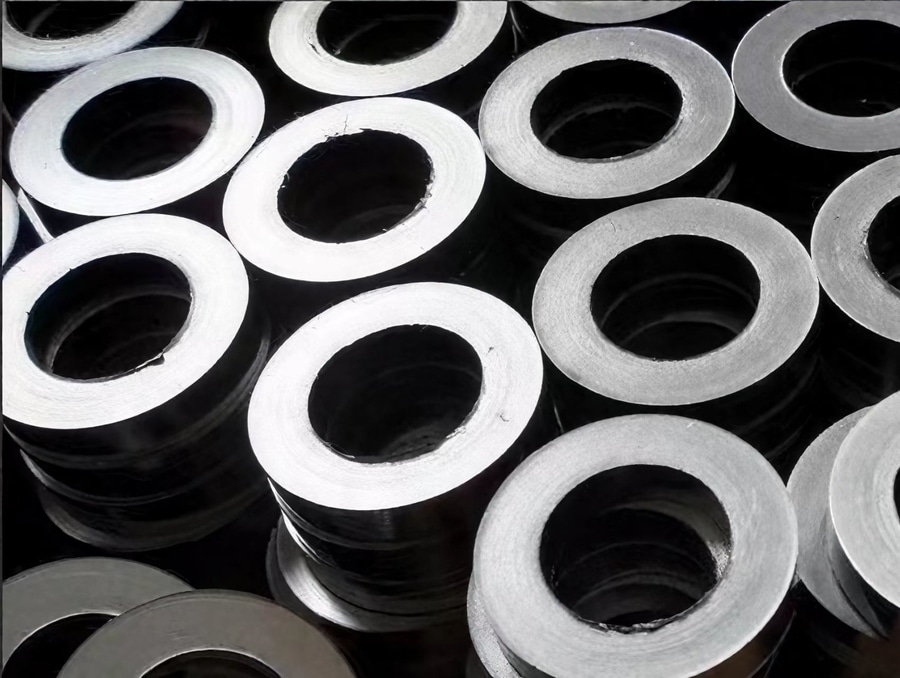
Excellent impermeability: Flexible graphite packing effectively blocks the penetration of both gases and liquids, ensuring a secure seal. [Insert product images of flexible graphite packing here. The images should show details such as the product's appearance and structure. For example, if the image shows tightly interwoven graphite filaments, a brief caption may be included: "Flexible graphite packing is made from high-quality graphite processed through a special process. The image shows a braided flexible graphite packing. Its unique structure gives the product excellent performance."]
(II) PTFE Packing
Superior Corrosion Resistance: PTFE, known as the "King of Plastics," boasts exceptional chemical stability and virtually no reaction with any chemical. It easily resists extremely corrosive media such as strong acids, strong bases, and strong oxidants, with corrosion resistance far exceeding that of materials like glass and ceramics.
Excellent Temperature Resistance: While slightly inferior to flexible graphite packing in terms of high-temperature resistance, PTFE packing maintains stable performance over a wide temperature range of -200°C to +260°C, meeting the needs of a wide range of operating conditions. Low Friction and Wear Resistance: PTFE's smooth surface and low coefficient of friction not only reduce frictional losses during valve movement, extending valve life, but also minimize wear and maintain stable sealing performance during frequent valve opening and closing. Its excellent wear resistance also provides protection in applications subject to friction.
Excellent Sealing: PTFE packing adheres tightly to the valve stem and stuffing box thanks to its unique properties, effectively preventing media leakage and ensuring safe operation of the process system. [Insert PTFE packing product images here, showing the woven texture of PTFE molded woven packing or the unique shape of V-shaped PTFE packing, along with the caption: "PTFE packing is widely used for its excellent chemical stability and other properties. This is V-shaped PTFE packing, with a special structure that enhances sealing performance."]
II. Application Areas with Different Focuses
(I) Application Scenarios of Flexible Graphite Packing
Petrochemical Industry: In high-temperature cracking units and oil pipeline valves, flexible graphite packing, with its high-temperature and high-pressure resistance and excellent chemical stability, effectively prevents media leakage and ensures production safety. For example, in the atmospheric and vacuum distillation units of oil refineries, flexible graphite packing is widely used for sealing valves in high-temperature and high-pressure oil pipelines.
Power Industry: High-temperature steam pipeline valves in thermal power plants operate in high-temperature and high-pressure environments. Flexible graphite packing can operate stably and long-term under these conditions, ensuring safe steam transportation and reducing energy loss. In other high-temperature and high-pressure applications, such as high-temperature furnace inlet and outlet valves in the metallurgical industry and valves for hot-processing equipment in mechanical manufacturing, flexible graphite packing can leverage its advantages and provide reliable sealing solutions.
(II) Application Scenarios for PTFE Packing
Chemical Production: PTFE packing's superior corrosion resistance makes it a top choice for inlet and outlet valves in chemical reactors and valves in pipelines conveying corrosive media. For example, the production of chemical products like pesticides and fertilizers involves the transport of large quantities of corrosive media such as strong acids and alkalis. PTFE packing ensures valve sealing performance and prevents environmental and personnel hazards from media leakage.
Pharmaceutical Industry: Pharmaceutical production places extremely high demands on hygiene and safety. PTFE packing's chemical stability and excellent sealing properties make it widely used in material transfer valves and reactor valves in pharmaceutical equipment, ensuring contamination-free production. Food and Beverage Industry: This industry also has strict hygiene requirements. PTFE packing does not react with ingredients in food and beverages and effectively prevents leaks. Therefore, it is widely used in valve seals for food and beverage processing equipment, such as valves in beverage canning equipment and valves in food delivery pipelines.
III. How to Choose the Right One
In practical applications, the choice between flexible graphite packing and PTFE packing requires comprehensive consideration of multiple factors. For applications involving high temperatures and high pressures where the media is not highly corrosive to graphite, such as high-temperature cracking units in the petrochemical industry or high-temperature steam pipeline valves in thermal power plants, flexible graphite packing is undoubtedly the best choice. In contrast, in the chemical, pharmaceutical, and food and beverage industries, where various corrosive media are present but temperatures are not too high, such as inlet and outlet valves in chemical reactors and material delivery valves in pharmaceutical equipment, PTFE packing is more effective.
In short, understanding the performance differences and applicable scenarios of flexible graphite and PTFE packing can help companies make more informed choices of sealing materials in industrial production, improving production efficiency, ensuring safety, and reducing operating costs. With the continuous advancement of science and technology, sealing materials are also continuously innovating and developing. In the future, it is expected that new sealing materials with better performance and wider application range will emerge, bringing more convenience and benefits to industrial production.