#Product Trends
Air ducts: What little-known facts lie hidden in these invisible "airflow channels"?
Air ducts: What little-known facts lie hidden in these invisible "airflow channels"?
When most people think of "pipes," water pipes and gas pipes come to mind, but few consider another crucial type of pipe: air pipes. From pneumatic equipment in industrial workshops to aeration systems in home fish tanks, from respiratory equipment in hospitals to automobile brakes, air pipes, with their core function of "transporting air," silently support the operation of countless applications. Today, we'll unveil the mysteries of air pipes and discover the practical knowledge hidden within these "airflow channels."
1. What is an air pipe? — More than just a "pipe for air"
Strictly speaking, an air pipe is a tubular structure designed specifically for transporting compressed air, atmospheric air, or specialized gases (such as inert gases). Its key difference from ordinary water or oil pipes lies in its need to adapt to the fluidity and pressure fluctuations of gases while preventing gas leakage or contamination from the pipe itself.
For example, air tubing used in medical ventilators must not only be absolutely leak-proof but also resistant to bacterial growth. Meanwhile, air tubing used in industrial pneumatic tools (such as air wrenches and paint spray guns) must withstand high compressed air pressures (typically 0.6-1.0 MPa) and be wear-resistant and age-resistant.
2. What are the "Classification Codes" for Air Tubing? — Choosing the Right One for the Scenario
The requirements for air tubing vary greatly across different applications. The industry typically categorizes air tubing based on material, pressure rating, and operating environment. Choosing the right type is crucial to avoiding problems like bursts and leaks:
· Classification by Material: From "Basic" to "Specialty"
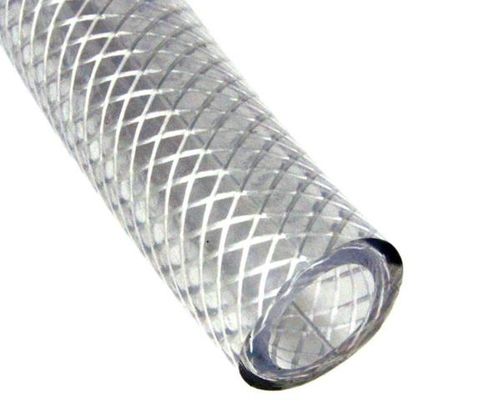
PVC: The most common "basic" type is lightweight and inexpensive, suitable for normal or low-pressure applications (such as fish tank aeration and ventilation ducts). However, its drawbacks include brittle cracking at low temperatures and deformation at high temperatures, making it unsuitable for industrial high-pressure or outdoor applications in freezing temperatures.
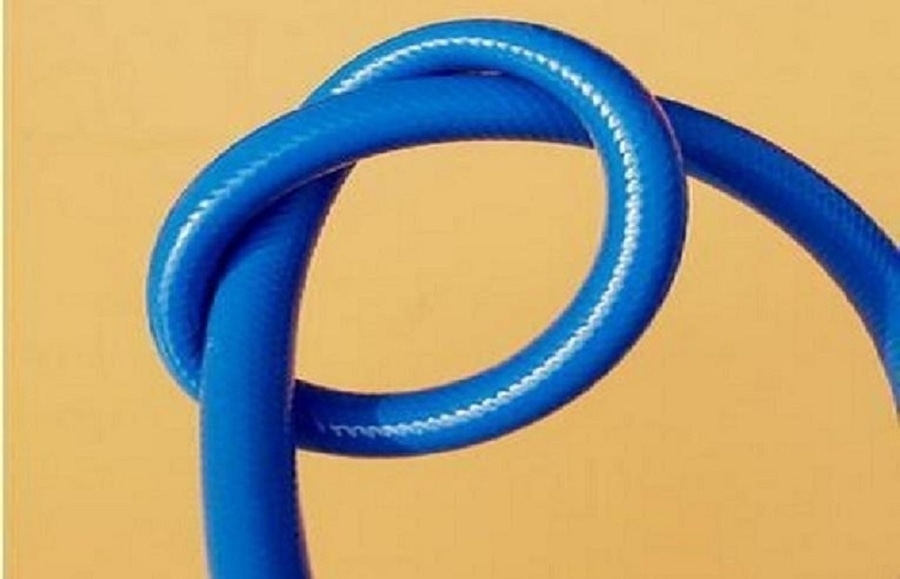
Polyurethane (PU) is the industrial standard. It offers excellent flexibility, high-pressure resistance (1.0-1.6 MPa), and anti-aging properties. It's also approximately 30% lighter than PVC. It's commonly used for air delivery in pneumatic tools and automated production lines. Some food-grade PU tubing can also be used in food processing applications (subject to FDA certification).
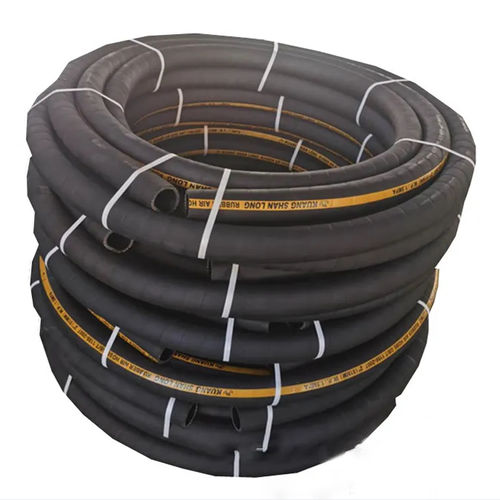
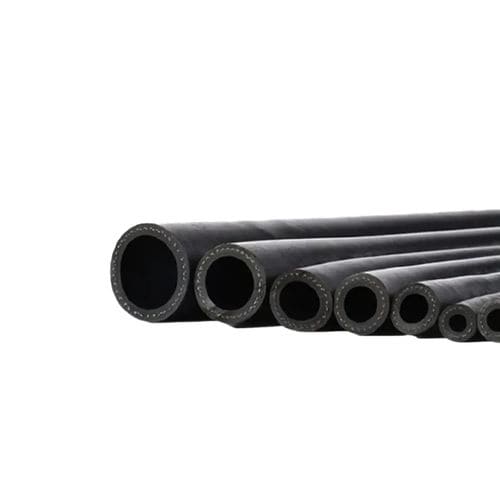
Rubber: Durable tubing offers excellent elasticity, high and low-temperature resistance (-40°C to 120°C), and abrasion resistance. It's suitable for outdoor use or harsh environments (such as air pipes for mining and construction machinery). However, it's heavier and requires more mounting brackets for installation.
Stainless steel: High-end specialty tubing offers corrosion and high-temperature resistance (over 400°C), with no risk of leakage. It's used for transporting specialty gases (such as oxygen and nitrogen) or in high-purity environments (such as semiconductor workshops and pharmaceutical factories). However, it's more expensive, requires welding for installation, and offers limited flexibility.
·Classify by Pressure Level: Don't Overload Pipes.
Low-Pressure Pipes: Withstand pressures ≤ 0.6 MPa and are commonly used in applications such as atmospheric ventilation, fish tank aeration, and household dehumidifiers. Common materials include PVC or ordinary rubber.
Medium-Pressure Pipes: Withstand pressures between 0.6 and 1.6 MPa and are the mainstream choice for industrial pneumatic systems, such as connecting pipes for pneumatic tools and pneumatic valves. Materials are primarily PU or oil-resistant rubber.
High-Pressure Pipes: Withstand pressures > 1.6 MPa and are used in high-pressure pneumatic equipment (such as high-pressure air compressors and pneumatic presses). Materials are typically high-strength PU, steel-reinforced rubber, or stainless steel.
·Classify by Environment: Adapting to local conditions is crucial.
Conventional Environmental Pipes: Used indoors, at room temperature, in dry environments (such as pneumatic equipment in workshops and offices). No special protection is required, and basic materials are sufficient.
Corrosion-resistant pipes: For use in humid, acidic, and alkaline environments (such as chemical plants and coastal equipment), corrosion-resistant materials (such as PVDF and stainless steel) should be selected, or an anti-corrosion coating should be applied to the exterior of the pipe.
Flame-retardant pipes: For use in high-temperature, flammable, and explosive environments (such as automotive engine compartments and metallurgical plants), flame-retardant certification (such as UL94 V-0) is required to prevent the release of toxic gases when the pipe burns.
Direct-buried pipes: Like the "100-foot direct-buried air pipe" mentioned earlier, these pipes must be resistant to soil corrosion and crushing. They are typically made of PE (polyethylene) or steel-wire reinforced PE and require anti-permeability treatment before burial.
3. pay attention to "three key indicators" when selecting air pipes - the key to avoiding pitfalls
Many people choose air pipes based solely on their "thickness" (pipe diameter), but this is far from sufficient. The following three indicators are crucial for determining pipe performance. Choosing the wrong one can lead to equipment failure or even safety hazards:
·Pipe Diameter: "Thicker is better" isn't the correct approach; it must match the required flow rate.
Air pipe diameter is typically expressed in "inner diameter" (e.g., φ8mm, φ12mm). When selecting, consider the airflow rate. For low-flow applications (e.g., pneumatic screwdrivers), choose thin pipe (φ6-φ8mm); for high-flow applications (e.g., large paint sprayers), choose thicker pipe (φ16-φ25mm). A pipe that is too thin will increase airflow resistance and underpower the equipment; a pipe that is too thick will increase piping costs and make installation more difficult.
·Sealing: Gas leaks are both energy-consuming and dangerous.
Compressed air leaks are a hidden waste in the industrial sector. According to statistics, a leak with a diameter of 1mm wastes approximately 1,200 kWh of electricity annually. The key to determining the airtightness of air pipes lies in the design of the joints: high-quality air pipes often feature quick-connect or threaded seals and are equipped with nitrile rubber seals (oil-resistant and aging-resistant) to prevent seal failure after long-term use.
·Weather Resistance: Outdoor pipes must be durable.
If air pipes will be exposed to the outdoors (such as ventilation pipes in agricultural greenhouses or outdoor pneumatic equipment), pay attention to weather resistance indicators:
Low-temperature resistance: In northern regions, choose materials that can withstand temperatures below -20°C (such as PU or rubber) to prevent winter cracking.
UV resistance: Outdoor exposure to sunlight accelerates pipe aging. Choose pipes with UV inhibitors to extend their service life.
Abrasion resistance: If the pipe will contact the ground or mechanical components, choose a pipe with an abrasion-resistant coating (such as nylon braided rubber hose).
4. The "Hidden Skills" of Air Tubing: These You Might Not Have Noticed
Beyond common industrial and household applications, air tubing has many hidden applications, some of which are even crucial to safety and health:
·Medical Emergency: Ventilators in ambulances and hospital ICUs require medical-grade air tubing. These tubing must not only be absolutely airtight but also meet biocompatibility standards (non-toxic and non-allergenic) to avoid irritating the patient's respiratory tract.
·Automotive Braking: Some heavy trucks (such as trucks and buses) use pneumatic braking systems. Air tubing must withstand high-frequency vibrations and high braking pressure. A rupture could cause brake failure, so high-strength steel-wire reinforced rubber tubing is essential.
·Diving Equipment: Divers' snorkels (second-stage connectors) must be made of corrosion-resistant, lightweight PU material. They must also be "crush-resistant" to prevent deformation and clogging caused by underwater pressure.
·Food Processing: Pneumatic dough mixers in bakeries and pneumatic filling equipment in beverage factories require food-grade air tubing (compliant with FDA and EU Directive 10/2011). Standards) to ensure that pipe precipitates from compressed air do not contaminate food.
5. Tips: Don't overlook these details when installing and maintaining air pipes.
After selecting the right air pipe, proper installation and maintenance can extend its service life by over 30%:
·Avoid excessive bending during installation: The minimum bend radius for PU pipes is typically 5 times the pipe diameter (e.g., a φ10mm pipe has a minimum bend radius of 50mm). Excessive bending can cause wear on the inner wall and shorten its service life.
·Check for leaks regularly: Apply soapy water to the joints. If bubbles appear, it indicates a leak and the seal or joint should be replaced promptly.
·Avoid contact with sharp objects: In industrial settings, air pipes should be kept away from sharp objects such as machine tools and cutting tools. Protective sleeves should be installed if necessary.
·Depressurize air pipes after extended periods of non-use: If equipment is out of service for more than one week, release the compressed air in the pipe to prevent prolonged pressure and aging.
From industrial production lines to everyday life, air pipes, though unassuming, are the lifeline that ensures stable air flow. Understanding its classification, indicators, and application scenarios can not only help us choose the right product, but also avoid safety hazards and resource waste caused by pipeline problems. The next time you see those pipes connecting pneumatic equipment, you may be able to tell its "identity code".