#Industry News
Solgeo, in the heart of St. Peter's Basilica
The technical expertise of the Bergamo-based company for Eni's 'Oltre il visibile' project
The challenge: protecting the heart of christianity
The "Oltre il visibile" project, carried out by Eni on the occasion of the Jubilee and the 400th anniversary of the Dedication of St. Peter’s Basilica, saw Solgeo engaged in an unprecedented technological challenge: integrating geophysical and geological surveys with structural sensors into a single 3D "Digital Twin" model created by Eni, which can be queried in real time.
Solgeo’s role: precision diagnostics and monitoring
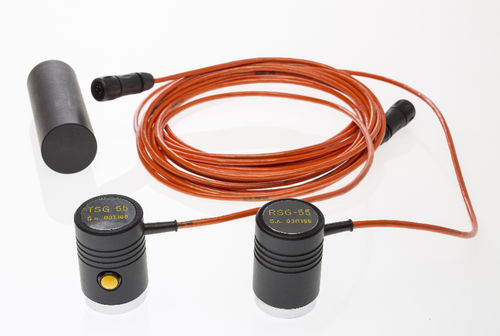
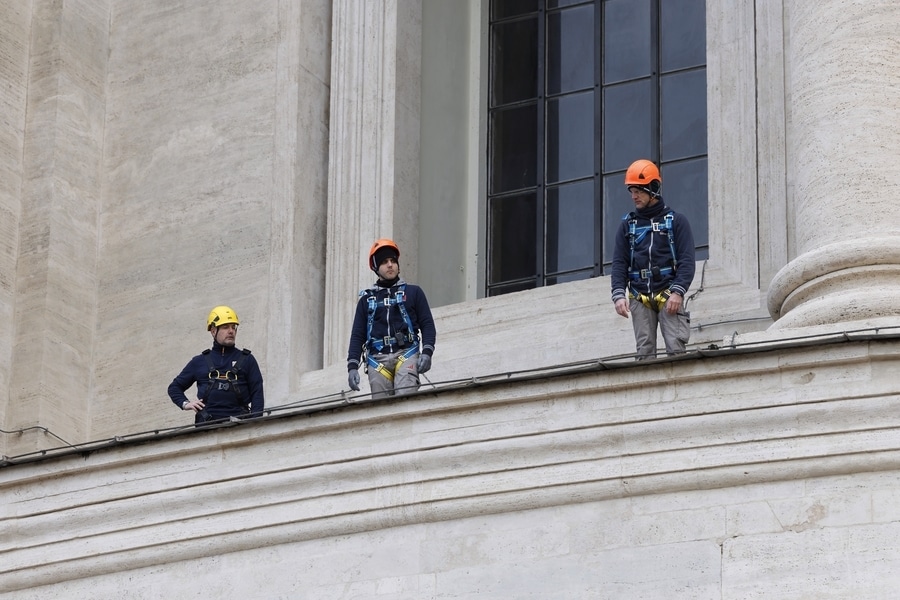
Solgeo provided its distinctive expertise in the field of non-invasive geophysical investigations both inside and outside the Basilica.
The result? An unprecedented reconstruction of the subsoil geology upon which the Basilica stands, including iconic areas such as the hypogeum, the Vatican Grottoes, and the Necropolis.
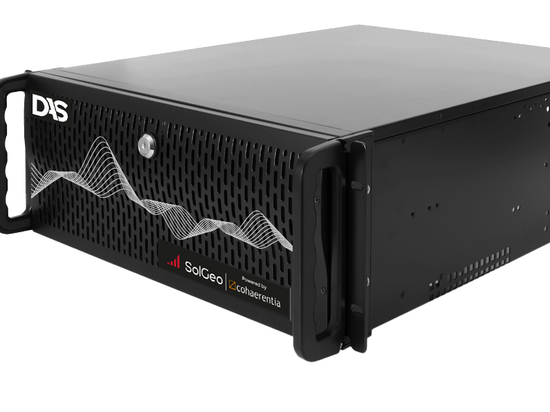
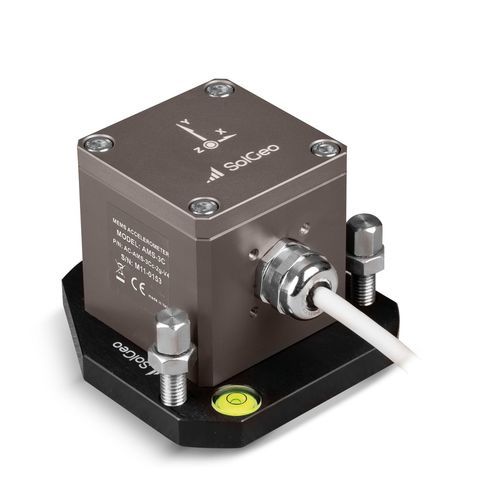
Thanks to the installation of three main monitoring networks—consisting of accelerometers, wall inclinometers, astrometric inclinometers, and precision GNSS satellite positioning antennas—the technicians of the Fabbrica di San Pietro can now, for the very first time, detect millimeter-scale displacements (both absolute and relative) and infinitesimal rotations in sensitive areas identified by historical studies. These include Maderno’s Facade and the drum of Michelangelo’s Dome, ensuring constant (24/7) monitoring of the Basilica’s structural health.
A Bridge Between History and the Future
For us, being part of "Oltre il Visibile" means putting the most advanced technology at the service of millennial beauty. Working alongside partners like Eni allows us to demonstrate how integrated diagnostics is now an effective tool capable of transforming conservation into a preventive and sustainable science.
A Comment from Stefano Limonta, CEO of Solgeo:
"We have been able to 'listen' to the dynamics of a structure that has been alive for centuries, intervening without altering its balance and, instead, ensuring its maximum protection. Thanks to Eni's foresight, we were able to apply—for the first time—environmental-derived monitoring technologies to a monumental context unique in the world, creating a digital tool that will serve future generations in preserving this immense heritage."