#Industry News
Your pneumatics are quietly costing you more than you think.
Hidden air leaks, inefficient compressors, and poor maintenance could be draining energy, increasing downtime, and inflating operational costs without you noticing.
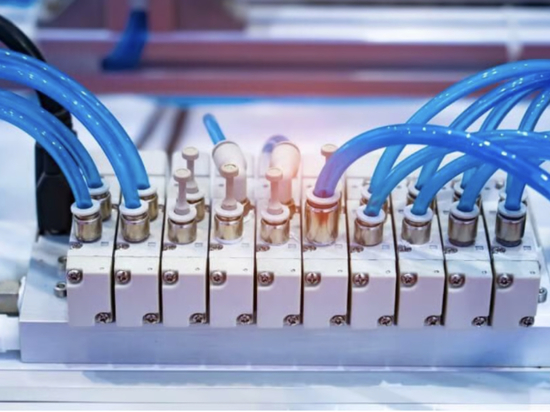
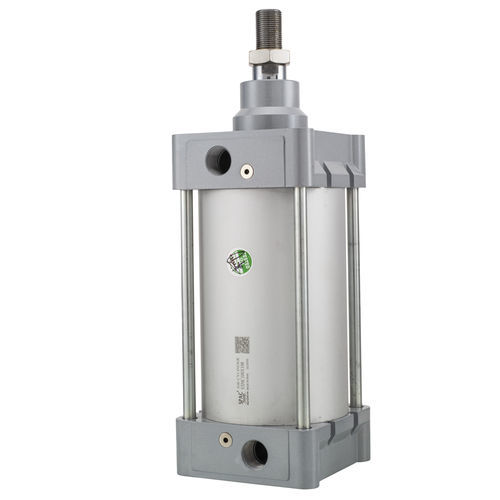
Compressed air is essential to countless industrial and manufacturing operations, yet the systems that produce and distribute it are often overlooked when businesses assess operational efficiency. While pneumatic equipment is widely valued for its reliability, flexibility, and performance, inefficient compressed air systems can quietly become a major source of unnecessary expenditure. Small air leaks, inconsistent pressure regulation, ageing infrastructure, and excessive compressor use can all contribute to rising energy consumption and avoidable maintenance costs, often without immediate warning signs.
Over time, these inefficiencies can place significant strain on equipment, reduce overall productivity, and shorten the lifespan of critical system components. In many facilities, compressed air systems operate continuously in the background, making it easy for hidden performance issues to go unnoticed until operating costs begin to escalate or downtime becomes more frequent. Even minor inefficiencies, when left unresolved, can result in substantial long-term financial impact.
This article takes a closer look at the hidden costs associated with poorly optimised pneumatic systems and explains why regular system evaluation is essential for maintaining efficiency and reliability. It also explores practical strategies for improving performance, including preventative maintenance, leak detection, pressure optimisation, and upgrading to more energy-efficient pneumatic components. By understanding how compressed air systems influence day-to-day operational costs, businesses can make more informed decisions that support productivity, reduce waste, and improve long-term profitability.