#Industry News
Air Filtration in the Workplace: Why Capturing Pollutants at the Source Is Crucial
Clean process air protects not only employees, but also machinery, the work environment, and process stability.
Clean air in the workplace is not merely a matter of comfort. In many industrial processes, it is essential for occupational safety, stable operations, and reliable machine availability. Lasering, welding, soldering, grinding, cutting, machining, or transferring materials can generate dust, smoke, aerosols, vapors, gases, and odors. Depending on the material and process, the composition, particle size, and hazard potential vary significantly.
That is why it is not enough to view air filtration merely as a downstream cleaning step. What matters is where the emissions originate, how they are captured, and which filtration technology suits the process. An effective filtration and extraction system is installed as close as possible to the source. This allows pollutants to be captured before they spread throughout the room or enter the breathing zone of employees.
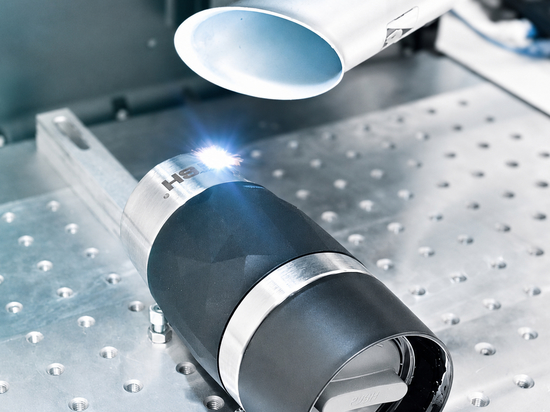
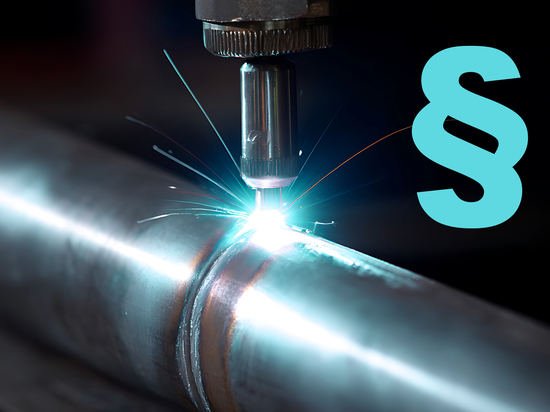
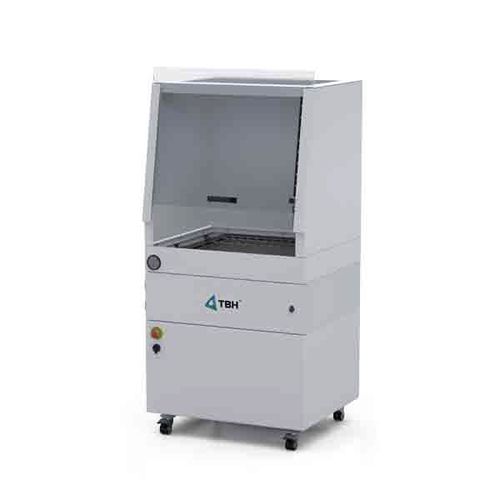
This source capture is particularly relevant for laser fumes, welding fumes, soldering fumes, or fine dusts. Laser cutting often produces very fine and ultrafine particles. Welding generates fumes and particulate matter. Soldering can produce gaseous components in addition to particles. In grinding, transfer, or dry machining processes, respirable and alveolar dusts are a key concern.
General room ventilation can be useful. However, in many applications, it does not replace extraction directly at the process source. The difference is significant: if a contaminant is first diluted in the room, it may have already spread throughout the work area. Process-integrated extraction at the source intervenes earlier and can reduce exposure more effectively.
However, air filtration is not just about protecting employees. Machines, enclosures, surfaces, and sensitive components also benefit from clean process air. Less dust and smoke in the environment can reduce cleaning efforts, limit deposits, and keep the process environment more stable. This connection is particularly evident in electronics manufacturing, automated systems, cleanroom applications, or sensitive production processes.
There is no one-size-fits-all answer regarding which solution is suitable based on a single filter class. The decisive factor is the interplay of application, material, emissions, air flow rate, capture conditions, maintenance, filter replacement, noise levels, and integration into the existing process. The question of whether cleaned air is recirculated or discharged to the outside also depends on the specific application and applicable national regulations.
For companies, this means that air filtration should be incorporated early in the process planning phase. This allows for better coordination of capture, airflow, installation location, interfaces, and maintenance. If the extraction system is only considered at the end, it often has to adapt to conditions that have already been established. This can complicate subsequent integration.
Air filtration in the workplace is thus more than just an occupational safety issue. It combines health protection, process safety, and technical planning. It is particularly effective when it is designed for the specific application, considered early on, and implemented as close as possible to the emission source.