
#Industry News
Industrial Vision vs. Consumer Surveillance: Mapping the 2026 Technological Divide
From Rugged Durability to AI Intelligence—How the Convergence of Camera Standards is Reshaping Modern Electronics Manufacturing
In the landscape of 2026, imaging technology has transitioned from a basic utility into the primary sensory organ of the digital world. As cameras evolve into intelligent data nodes, the boundary between "Industrial" and "Consumer" hardware is becoming both more distinct in performance and more blurred in functionality. For OEMs and innovators, choosing the right hardware architecture is the difference between a system that thrives and one that fails.
1. The Industrial Mandate: Accuracy Under Pressure
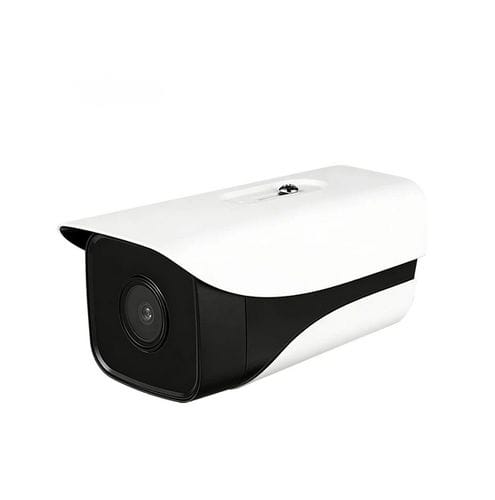
Industrial-grade cameras are engineered for one thing: the absolute integrity of data. In a high-speed PCBA assembly line or a robotic sorting facility, there is no room for dropped frames or motion artifacts.
Environmental Resilience: These units are built to survive. Whether it’s electromagnetic interference on a factory floor or extreme thermal cycling, the internal PCBA is ruggedized to prevent hardware fatigue.
Zero-Latency Data Flow: By utilizing high-speed protocols such as GigE Vision, these cameras provide the raw, uncompressed data required for machine learning algorithms to make split-second "pass/fail" decisions.
Predictable Lifecycle: Unlike consumer tech, which iterates annually, industrial components focus on "lifecycle stability," ensuring the same hardware configuration is available for decade-long deployments.
2. The Consumer Evolution: The Age of the "Intuitive Eye"
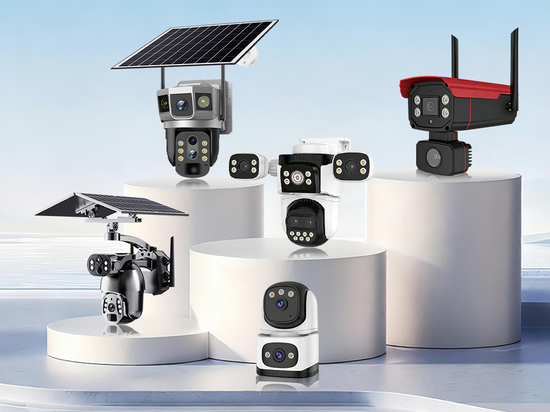
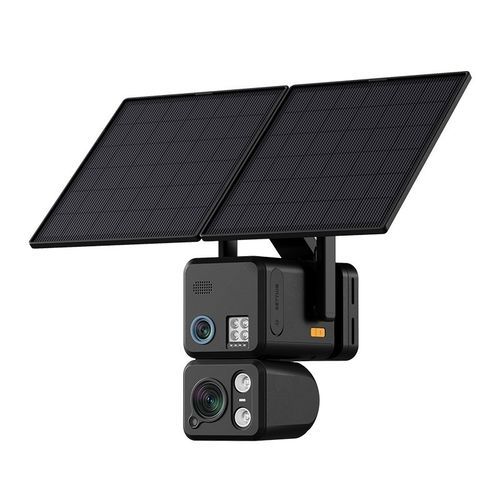
The consumer and smart-home markets have moved beyond simple recording. Today’s devices are characterized by their ability to interpret the world around them through accessible, AI-native interfaces.
On-Device Intelligence: Edge AI is now standard. Consumer cameras don't just see; they recognize faces, detect packages, and filter out false alarms locally to preserve privacy and bandwidth.
Ubiquitous Connectivity: Designed for the IoT ecosystem, these devices prioritize seamless cloud synchronization and low-power wireless protocols (Wi-Fi 7/Matter), allowing for a plug-and-play user experience.
Scalable Economics: Leveraging massive economies of scale, consumer hardware delivers high-resolution (4K/8K) imaging at a price point that makes widespread deployment feasible for SMEs and residential markets.
3. The Hybrid Horizon: When Worlds Collide
The most significant trend of 2026 is Cross-Pollination. We are seeing a new class of "Prosumer" and "Light Industrial" hardware that blends the best of both worlds.
Global Shutter Adoption: Once exclusive to high-end industrial labs, global shutter sensors—which eliminate "rolling shutter" distortion—are now appearing in high-end consumer drones and security systems.
Edge Computing Powerhouses: Industrial cameras are adopting the user-friendly AI chips originally developed for smartphones to perform complex analytics without external PCs.
Advanced Night Vision: The ultra-low-light sensitivity required for 24/7 industrial perimeter security is now a standard expectation for high-end home safety devices.
Delivering Quality Through Precision PCBA
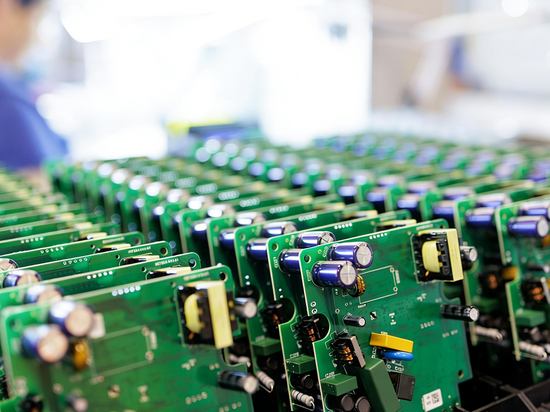
Whether you are developing a high-speed machine vision system or a smart home ecosystem, the reliability of the camera starts at the board level. The internal Printed Circuit Board Assembly (PCBA) must be designed to handle high-frequency signals and heat dissipation without compromise.
At our core, we bridge the gap between vision and reality. With certifications ranging from ISO 9001 to the stringent IATF 16949, we provide the manufacturing excellence required to build the next generation of optical sensors. We don't just manufacture cameras; we engineer the reliability that modern vision demands.