
#Product Trends
Aluminum Heatsinks: Types, Function, and Efficiency Explained
What is an Alu Heatsink?
An aluminum alu heatsink is a metal component designed to dissipate heat from electronic devices, ensuring optimal performance and preventing overheating.
In this article, we’ll explore the different types of aluminum heatsinks, how they work, and their key applications.
Key Takeaways
Aluminum heatsinks efficiently dissipate heat from electronic devices, combining low weight, cost efficiency, and reliable thermal conductivity.
Types include active and passive heatsinks, with designs such as extruded, bonded fin, and stamped versions for different applications — from high-performance systems to compact electronics.
Performance factors like surface area, airflow, and thermal resistance determine overall cooling efficiency.
Recent innovations focus on custom geometries and hybrid materials that improve performance and sustainability.
What is an Alu Heatsink?
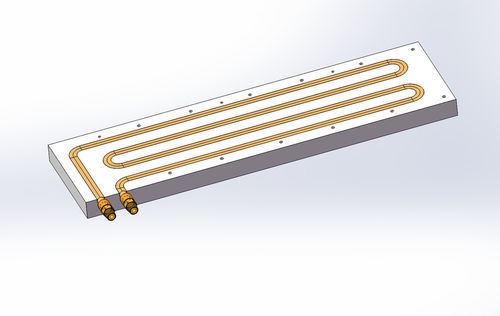
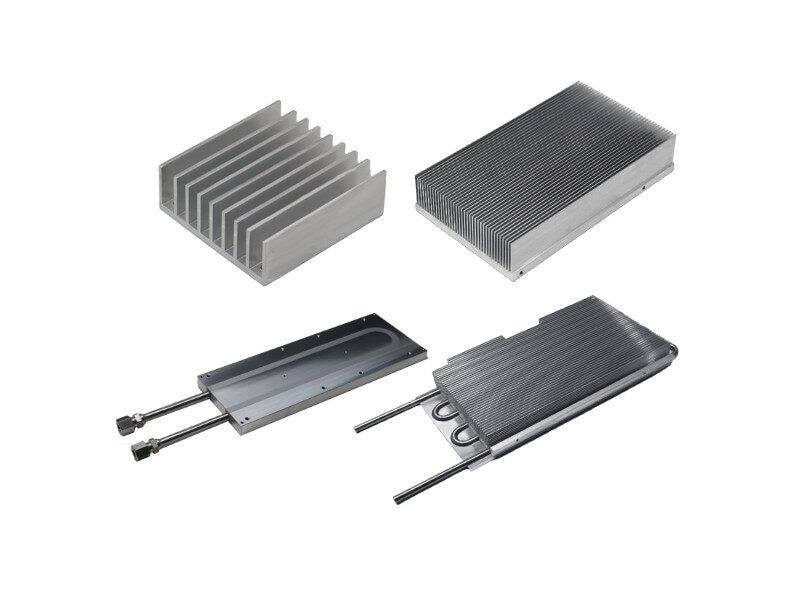
An example of an aluminum heatsink showcasing its structure.
An aluminum heatsink is a metallic component used to draw heat away from electronic devices and maintain safe operating temperatures.
By preventing overheating, it helps extend the lifespan and reliability of electronic systems.
Aluminum is widely used for heatsinks due to its lightweight structure, affordability, and solid thermal conductivity.
This balance makes it suitable for diverse applications — from consumer electronics to industrial power systems.