
#Product Trends
A Complete Guide to ESD Workbenches & Industrial Workstations: For Safety, Efficiency, & Smart Buying
Understanding ESD Tables
ESD tables are essential for preventing static electricity damage to sensitive electronic components.
Electrostatic discharge (ESD) occurs when electrical energy transfers between objects — even small voltage differences can harm components. This makes effective ESD control crucial in any electronic workspace.
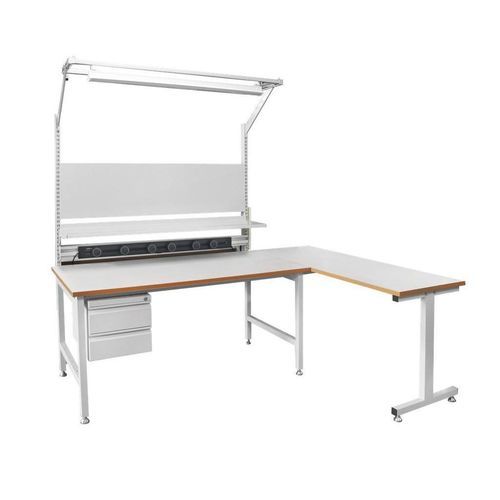
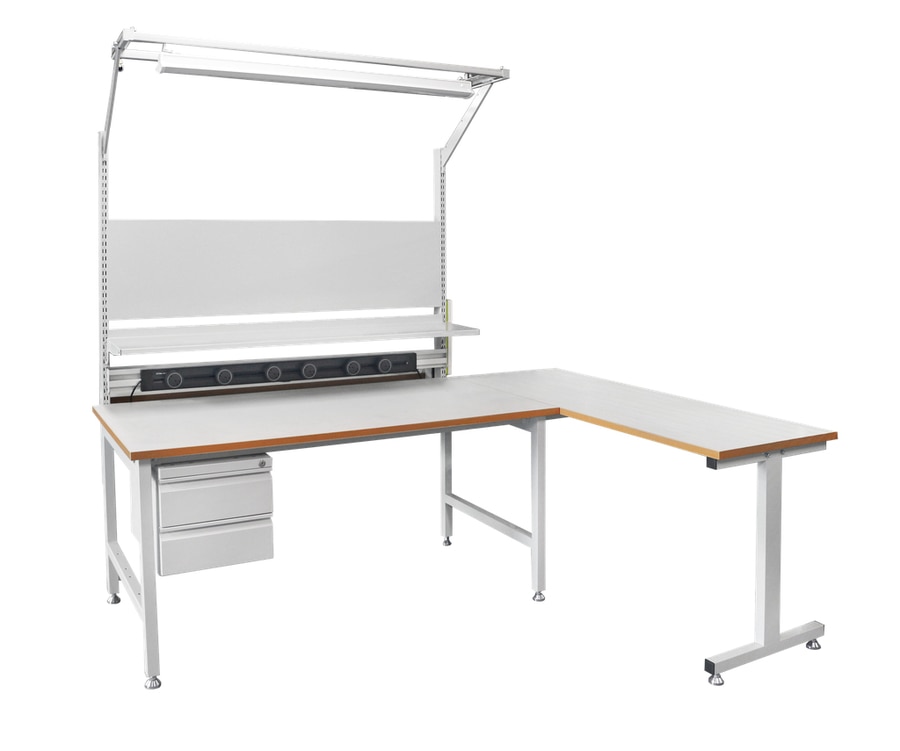
ESD workbenches are purpose-built to mitigate static electricity using carefully selected materials and grounding systems. Understanding how they function and which industries depend on them helps you make an informed decision.
How ESD Tables Work
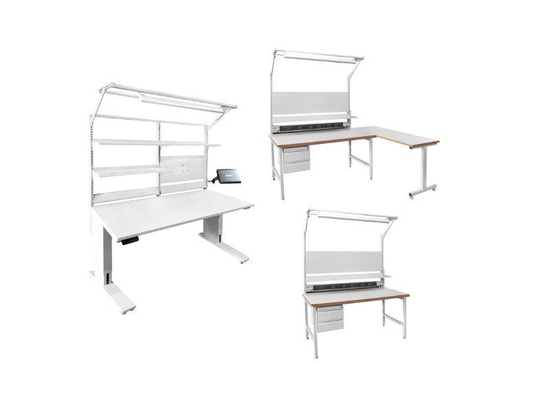
ESD workbenches combine several design features to maintain a static-safe environment:
Conductive surfaces and grounding systems that dissipate static electricity
ESD laminate surfaces that minimize discharge risk
Accessories such as ionizers, wrist straps, and grounded storage that enhance safety during assembly or testing
Together, these elements form a controlled environment that protects sensitive devices from electrostatic damage.
Key Industries Using ESD Tables
Industries such as electronics manufacturing, aerospace, and medical device production rely on ESD workbenches to maintain compliance with strict standards like ANSI/ESD S20.20.
Electric height-adjustable benches are ideal for shared or multi-shift environments, allowing workers to alternate between sitting and standing positions for improved ergonomics.