
#Product Trends
How Bidirectional AC-DC Converters Can Reduce Energy Costs in Test Facilities
Rethinking Energy Use in Industrial Testing
Industrial testing and battery manufacturing are increasingly shaped by efficiency and sustainability requirements. Conventional test systems typically draw electrical energy from the grid and dissipate a large portion of it as heat during discharge or aging processes. This results in high operating costs, complex thermal management, and increased demand on electrical infrastructure.
Bidirectional AC-DC power converters offer an alternative approach. By enabling controlled energy recovery during discharge phases, they allow a portion of the energy to be converted back into usable AC power. In applications such as battery cell formation, power aging, and inverter testing, this regenerative concept can reduce both net energy consumption and thermal load.
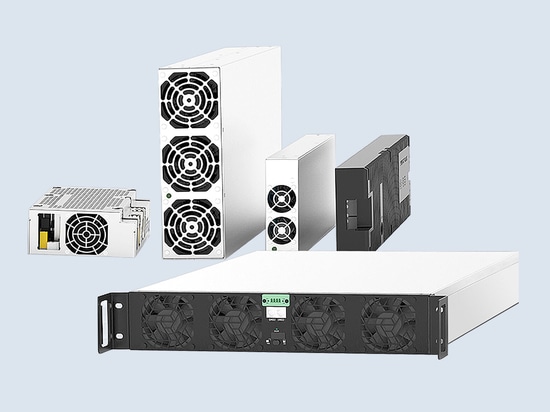
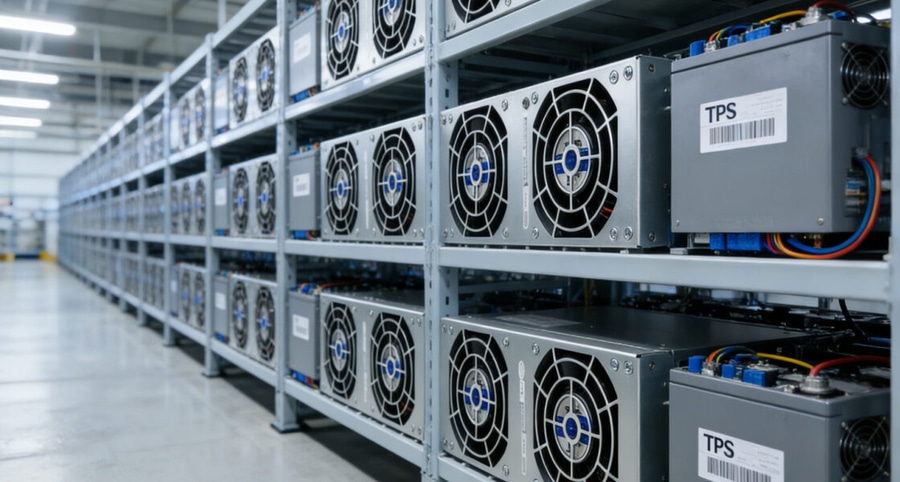
Discover TPS bidirectional AC-DC power modules for regenerative test systems, battery formation, and power aging. Modular building blocks from compact lab setups to high-power industrial platforms, supporting scalable architectures and grid-friendly operation.
TPS bidirectional power modules enable controlled energy flow between AC grids and DC loads, supporting regenerative test systems and battery formation lines.
High efficiency (up to 96% AC-DC and up to 95% DC-AC, model-dependent) combined with a high power factor (up to 0.99) can significantly reduce net energy consumption in energy-intensive testing environments.
Advanced soft-switching technology helps reduce switching losses and electromagnetic interference (EMI), supporting compliance with standards such as EN 55032 in laboratory and industrial settings.
Low THDi (<5%) and automatic parallel operation contribute to grid-friendly operation and scalable system architectures.
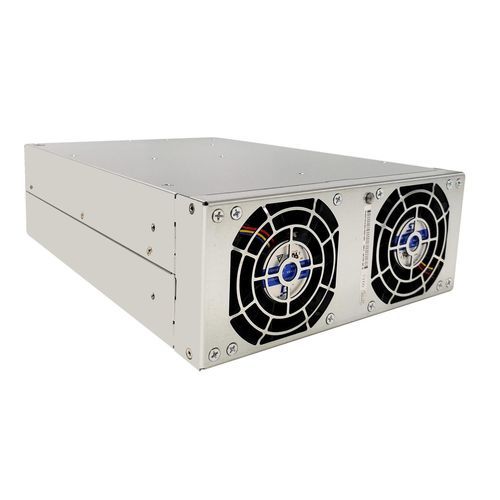
Modular design with forced-air cooling enables flexible system configuration, serviceability, and suitability for continuous industrial operation.
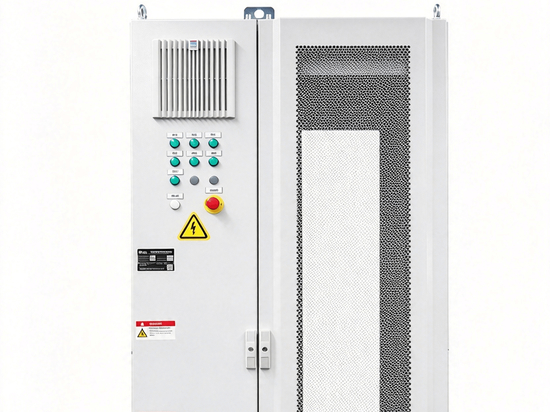
TPS modules are commonly used in battery testing, cell formation, and regenerative aging systems, where energy recovery can improve overall system efficiency.