
#Industry News
Building a Robust Physical Foundation for Smart Manufacturing: TPS Standardized Industrial Cabinets
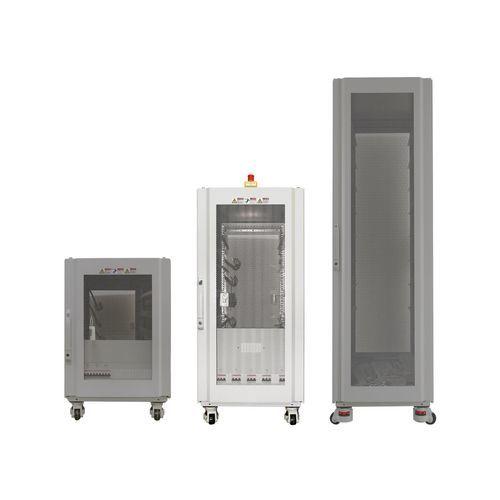
19-inch industrial cabinets
The global manufacturing landscape is approaching a critical phase in 2025. While industrial AI, edge computing, and digital platforms continue to advance, physical infrastructure on the factory floor is often underestimated. Servers, controllers, and network components depend not only on software intelligence, but also on stable mechanical protection, thermal control, and long-term maintainability. Inadequate enclosures can contribute to overheating, vibration-related failures, and limited upgrade flexibility. In this context, the industrial cabinet becomes a key element of smart factory reliability.
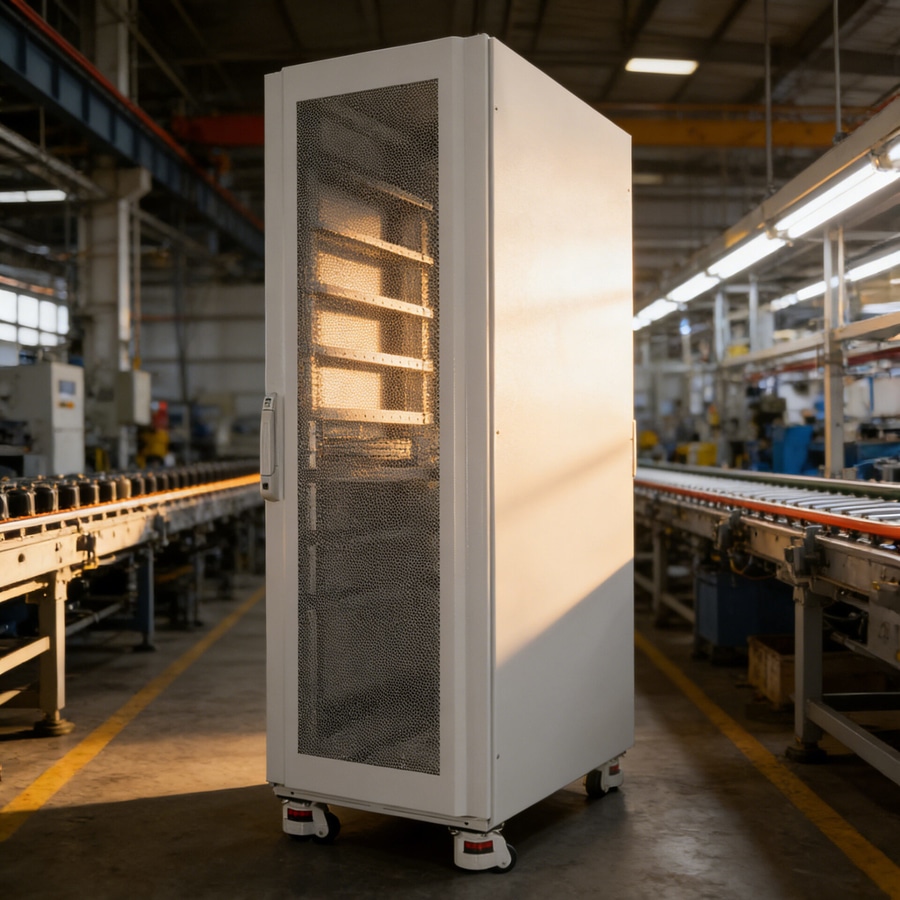
TPS Elektronik GmbH designs its 19-inch industrial cabinets to address these practical requirements. Rather than serving solely as passive enclosures, the cabinets are engineered as structured platforms that take mechanical design, thermal behavior, and system integration into account from the outset. By following the established 19-inch standard, they support consistent integration of diverse equipment within a unified physical framework.
Why the 19-Inch Standard Matters in Industrial Environments
Technological ecosystems depend on shared standards. In information technology, the 19-inch rack format established global compatibility for servers and network equipment. Applying this standard to industrial environments supports closer integration between operational technology and IT systems, particularly at the edge of the network.
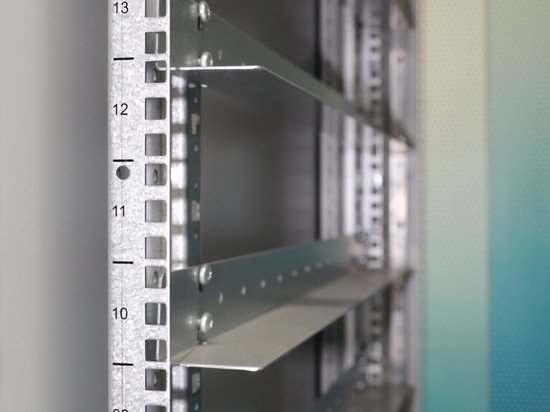
TPS industrial cabinets are based on the standardized 482.6 mm (19-inch) mounting width. Adjustable mounting rails with 25 mm and 44.45 mm spacing allow the installation of common rack-mount components, from compact 1U edge devices to full-depth servers. Cabinet variants are available from smaller configurations, such as 15U, up to full-height 42U racks. This standardized approach is intended to reduce custom mechanical adaptations and support scalable system architectures across different projects.