
#Product Trends
Aluminum Heat Sinks Explained: Efficiency Across Thermal Management Scenarios
Efficiency Across Thermal Management Scenarios
Key Takeaways
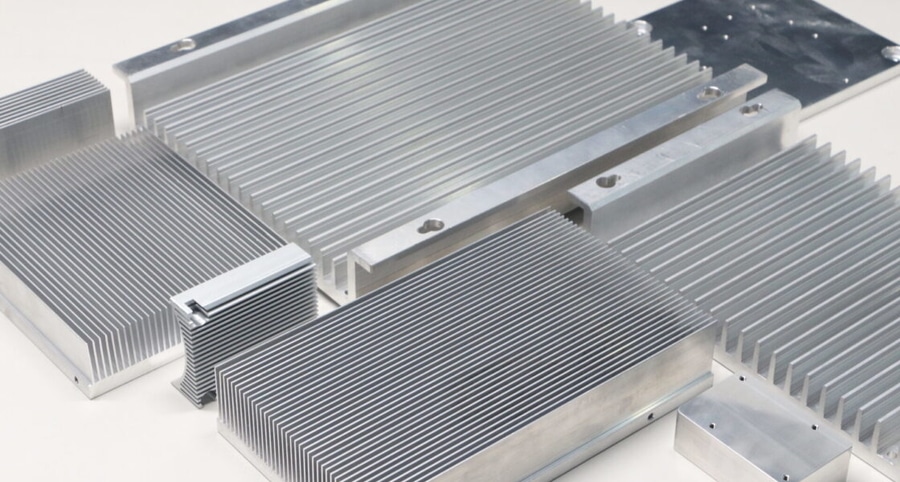
Aluminum heat sinks play a central role in many thermal management applications due to their material properties and design flexibility.
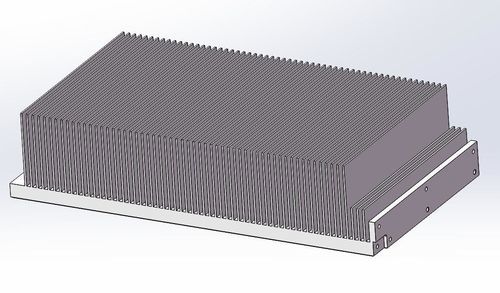
Heat sink efficiency depends on the interaction between material choice (e.g., aluminum alloys such as 6063), geometry, and the cooling environment.
Aluminum adapts to a wide range of applications—from compact SSD heat sinks to inverter cooling—often in combination with heat pipes or vapor chambers.
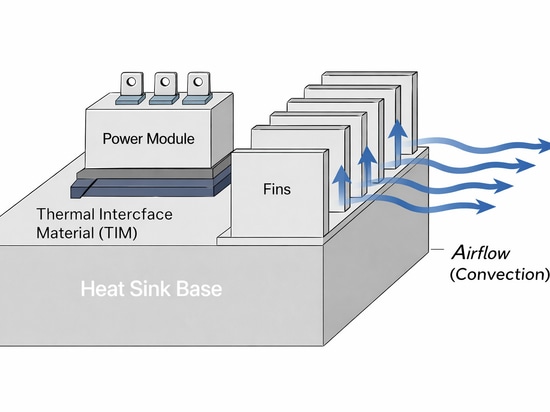
Correct mounting and the use of thermal interface materials help reduce thermal contact resistance.
Future thermal solutions increasingly combine aluminum structures with advanced two-phase cooling technologies.
In data servers, electric vehicles, and 3D printers alike, aluminum heat sinks are a common element of thermal management systems. Rather than acting as a simple accessory, they form a core part of how heat is transferred away from sensitive components.
This article examines how aluminum heat sinks work across different scenarios. It focuses on the underlying physics, material considerations, and design principles that influence performance, and outlines how aluminum structures are increasingly combined with technologies such as heat pipes and vapor chambers.