
#Industry News
Manufacturing the Same Product for Different Countries: How to Adapt Labeling and Coding
When the same product is distributed across different markets, the printed information must be adapted to each destination without compromising production line efficiency. Automating labeling and coding processes makes it possible to manage languages
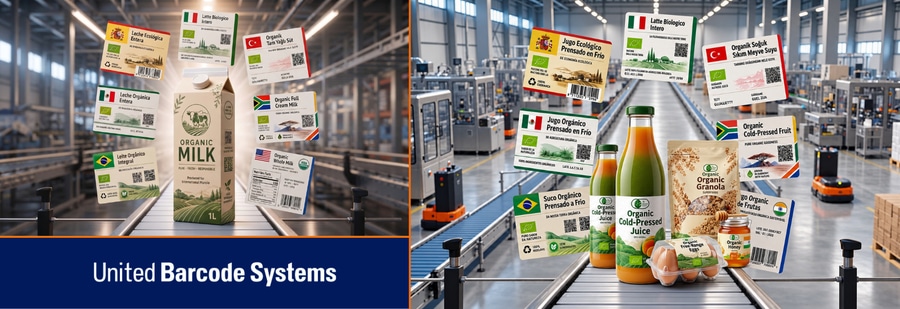
More and more companies manufacture the same product for distribution in different countries. Although the product itself may be the same, the information that must appear on the packaging, label, case, or pallet may vary depending on the destination market.
Languages, date formats, importer information, logistics codes, environmental requirements, or specific messages may differ from one country to another. This means managing multiple identification versions for the same product reference, increasing production complexity.
When this process is handled manually, the risk of error increases. An incorrect label, an unsuitable date format, or an incorrectly assigned logistics code can lead to returns, distribution issues, delays, or traceability problems.
For this reason, integration between management systems and labeling and coding equipment becomes a key factor. Connecting the production line to systems such as ERP or WMS makes it possible to automatically select the appropriate message, language, or format for each product, reducing manual intervention and ensuring that each unit carries the correct information for its final destination.
This approach is particularly important on multi-product production lines or in environments where production changeovers are frequent. The ability to adapt coding quickly and reliably helps maintain productivity without losing control over the information applied at each stage.
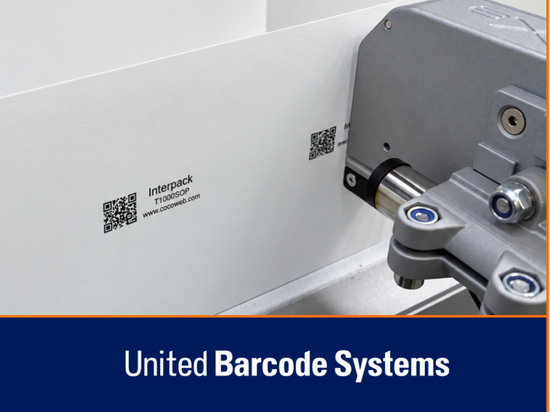
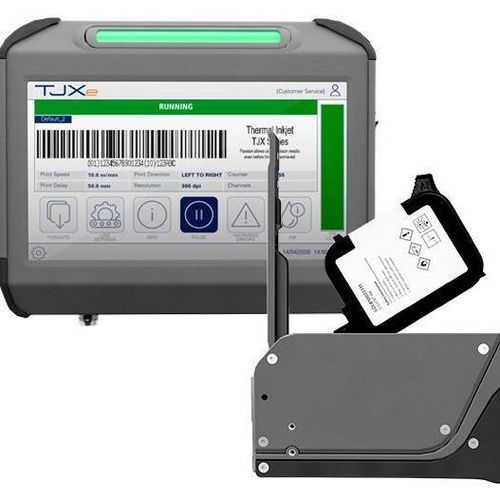
United Barcode Systems develops labeling, coding, and data management solutions designed to meet these needs. APLINK solutions make it possible to print variable information directly on cases, bags, or packs, adapting text, codes, and specific data according to each market.
When automatic labeling is required, APL 35S by United Barcode Systems prints and applies labels to secondary packaging in real time, while APL 80 Series by United Barcode Systems automates pallet identification at the end of the production line, helping maintain traceability throughout international distribution.
In addition, UBS LABMAN software enables centralized management of messages, equipment, and printing data. This connection between software, the production line, and management systems helps reduce errors, streamline product changeovers, and ensure consistency in the information applied to products, cases, and logistics units.
Manufacturing for different countries requires flexible, accurate, and connected coding. Automating these processes makes it possible to adapt production to different markets, meet the requirements of each destination, and maintain traceability without compromising production line efficiency.
Contact our team to discover how to adapt your labeling and coding processes to international markets in a simple, reliable, and efficient way.