
#Industry News
QR Codes and Data Matrix Codes in Color: How to Ensure Reliable Scanning
The shift toward 2D codes is transforming packaging design and functionality. Printing QR Codes or Data Matrix codes in color is possible, but it requires careful control of contrast, print quality, and readability throughout the supply chain.
The transition to 2D codes, driven by initiatives such as GS1 Sunrise 2027, is leading many companies to rethink how they integrate codes into their packaging. These codes make it possible to include more information in less space, but they also require accurate and reliable printing to ensure proper scanning.
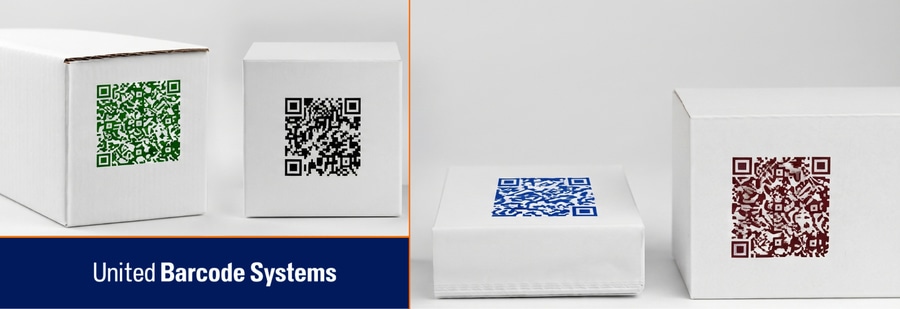
One of the most common questions is whether QR Codes and Data Matrix codes can be printed in color. The answer is yes, as long as a series of technical criteria are followed. Color should not be treated only as an aesthetic element, since a poor choice can directly affect code readability and lead to traceability issues.
The contrast between the code and the background is one of the most important factors. In general, dark codes on light backgrounds are recommended, since many industrial scanners are optimized for this type of combination. Although a light code on a dark background may appear readable to the human eye, it does not always guarantee stable scanning in production or logistics environments.
It is also important to consider the type of color used. In many industrial applications, printing codes in red may not be recommended because some scanners use red light during scanning. This can make it more difficult to distinguish between the code elements and the background, affecting readability. For this reason, dark colors such as black, dark blue, dark brown, or dark green generally provide better results when sufficient contrast is maintained.
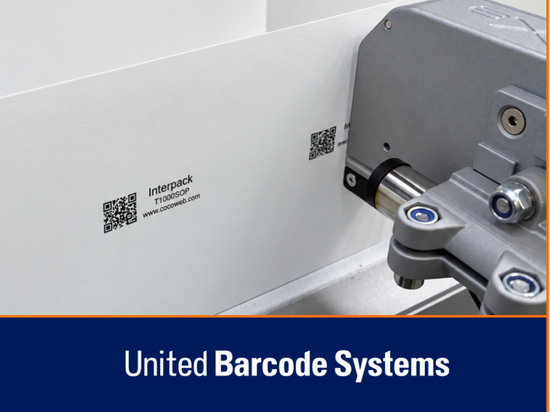
In addition to color, print quality is critical. A QR Code or Data Matrix code must maintain precise definition of its modules, especially when it includes variable information such as dates, batch numbers, serial numbers, or GS1 identifiers. This quality must be maintained not only during initial testing, but also throughout actual production, even at high speeds or on different materials.
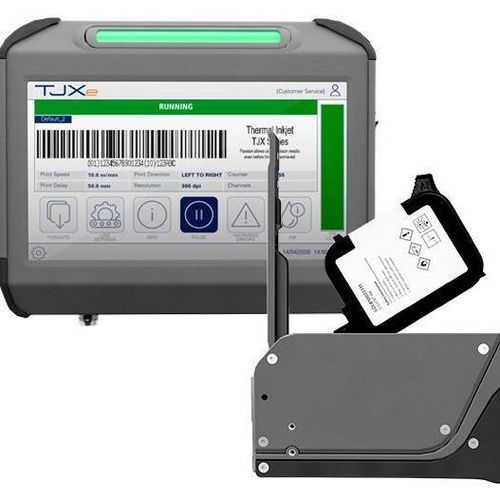
United Barcode Systems develops coding solutions designed to print high-quality, stable 2D codes. Its APLINK solutions enable high-resolution direct printing on secondary packaging, adapting to different surfaces and production requirements.
In addition, UBS DESIGNER software simplifies the creation and management of print messages, making it possible to design QR Codes and Data Matrix codes, incorporate variable data, and preview the result before sending it to the printing equipment. This combination of software and printing technology helps reduce configuration errors and maintain code readability in every application.
Printing QR Codes and Data Matrix codes in color can add value to packaging design, as long as it does not compromise their primary function: reliable scanning. Choosing the right combination of color, contrast, surface, and printing technology is essential to ensure traceability, efficiency, and reliability throughout the supply chain.
Contact our team to adapt your production line to the new 2D coding requirements and ensure the scanning quality of your QR Codes and Data Matrix codes.