
#Industry News
Honed Tube End Preparation: Chamfers, Threads, and Welding End Caps
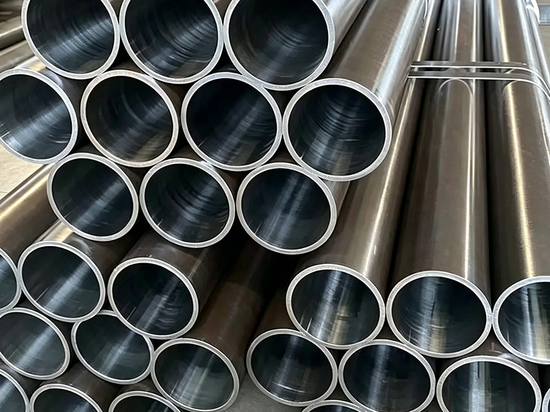
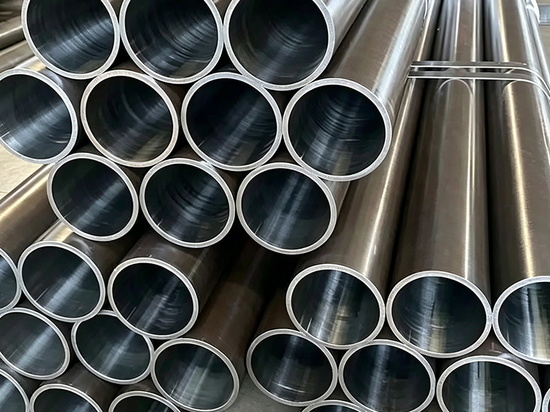
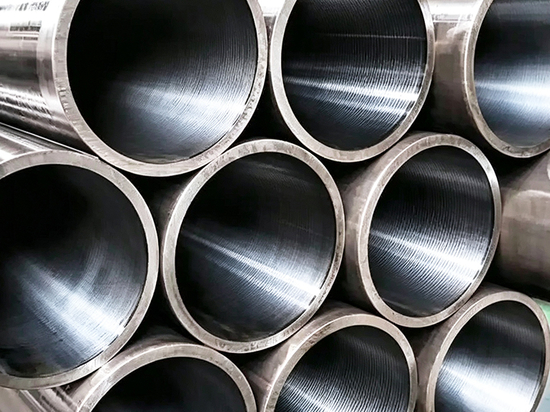
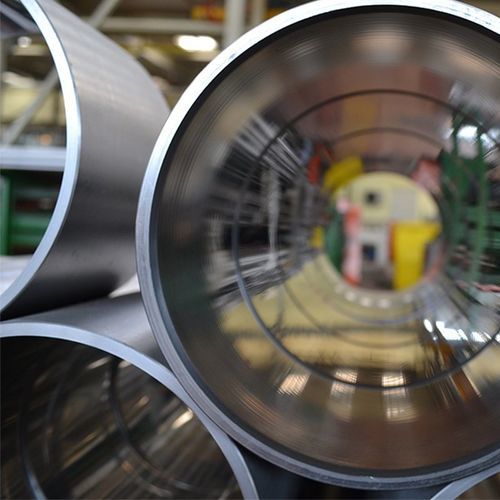
Chamfering, threading and welding honed tube ends can distort the bore and cause leaks. How to prepare tube ends without ruining the honed surface.
The Hidden Cause of Cylinder Leaks: Your Bore Was Perfect, But Your Ends Ruined It
A cylinder builder once traced a batch of leaking cylinders to a problem he never suspected. The honed tube was flawless when it arrived. The damage happened at the workbench during end preparation.
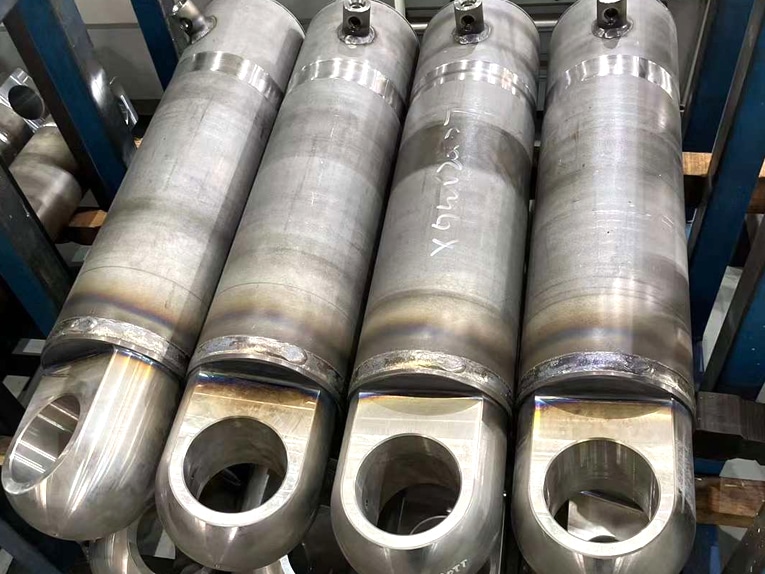
Welding heat, applied too close to the bore, had distorted the tube ends just enough to make the piston seal leak at the extremes of stroke.
The precision you pay for in honed tube is incredibly easy to destroy during chamfering, threading, and welding. Here is the engineering reality:
Welding: Intense localized heat can turn a perfectly round bore into an oval or bell shape. Keeping the weld away from the critical seal area and using weldable grades like ST52 is essential.
Threading: Avoids heat distortion but requires adequate wall thickness to carry the load through the threads.
Chamfering: A sharp, unchamfered bore edge can nick the seal during assembly, seeding a leak before the cylinder ever runs.
How do you protect the bore end-to-end? There is one specific fabrication sequence—usually reserved for the most critical cylinders—that eliminates weld distortion entirely.
Don't let bench work destroy your precision. Read the full article to learn how to prepare tube ends without ruining the bore.