
#Industry News
Chrome Rod Packaging: Transit Rust Prevention - EAST AI
Chrome plated rod can arrive with transit rust even when it left perfect. Here is what adequate ocean freight packaging requires and how to inspect it on arrival.
The Transit Trap: Why Your Perfect Chrome Plated Rods Arrive Rusted
A shipment of chrome plated rod leaves the factory with a flawless, mirror-like surface. Weeks later, it arrives at your warehouse covered in rust spots and moisture stains.
The natural instinct is to blame the plater. But the truth is, the rod was likely perfect when it left the facility. The damage happened in transit.
Ocean freight containers are brutal environments. Day-night temperature swings cause massive condensation to form directly on unprotected metal. Because hard chrome has microscopic pores, that moisture creates localized corrosion sites. If your supplier's packaging doesn't account for this, your material is arriving pre-damaged.
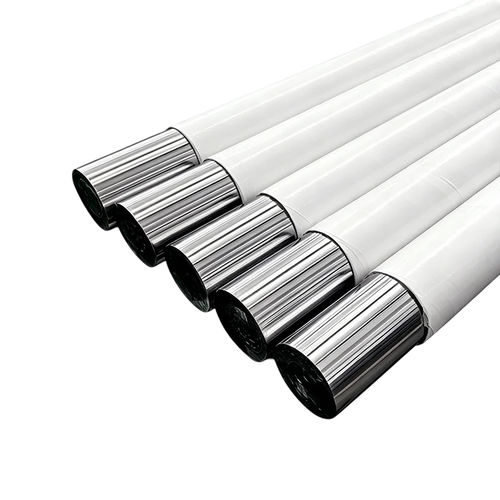
Preventing this isn't about luck—it's about a specific, multi-layered packaging standard. You need Vapor Corrosion Inhibitors (VCI), a sealed moisture barrier, desiccant, and structural support.
But here is the most expensive mistake buyers make: relying on a verbal promise that the supplier "packages it well." If it’s not written explicitly into your Purchase Order, you have no recourse when the rust appears.
There is a specific set of questions you must ask a new supplier—and a critical inspection step you must take before you unwrap the material on arrival—to protect your liability.
Don't eat the cost of transit corrosion. Read the full article to get the exact packaging checklist you need to enforce in your purchase orders.