
#Industry News
Chrome Plated Rod Thread Rolling vs Cutting: Protecting the Chrome at the Ends
Why rolled threads resist fatigue cracking better than cut threads on chrome plated rod, and how to specify end preparation for cyclic-load applications.
Why One Batch of Chrome Rod Cracked at the Threads — And Another Didn’t
A cylinder assembler once noticed fine cracks radiating from the thread roots on one batch of chrome plated rod within weeks. An identical batch — same base steel, same chrome spec — showed no problem after months. The difference wasn’t the material or the plating. It was how the threads were made.
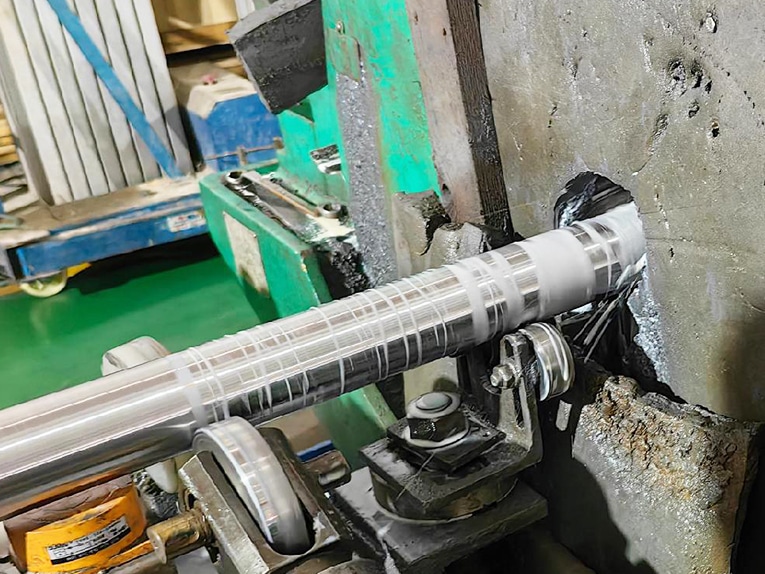
Cut threads remove material and leave a stress concentration at the root, with a neutral-to-tensile surface state that promotes fatigue cracking. Rolled threads form the profile by plastic deformation, leaving compressive residual stress at the root that actively resists crack initiation.
But there’s a second, often overlooked consequence: when the thread is made relative to plating. Rolling before plating lets the chrome follow a smooth, work-hardened profile. Cutting after plating strips the chrome away entirely, exposing bare steel at the thread — a corrosion risk far worse than fatigue alone.
So which method should you specify for cyclic-load rod ends? And what should you ask your supplier before they quote?
Read the full article to learn when rolling is the right call, when cutting is unavoidable, and how to specify end preparation deliberately.