
#Industry News
Why Does Honed Tube Diameter Grow or Shrink Slightly After It Leaves the Honing Line?
Discover the reasons behind slight diameter shifts in honed tubes post-honing. Understand the factors affecting precision and quality in tube manufacturing.
Why Your Honed Tube Diameter “Changed” After Leaving the Honing Line — And Why It’s Usually Not a Defect
A quality manager measures a honed tube right after honing. Diameters are comfortably within tolerance. Weeks later, during a customer complaint investigation, he re-measures the same tube and finds slightly different numbers. Is it a measurement error? A mislabeled part? A quality problem?
Probably none of the above.
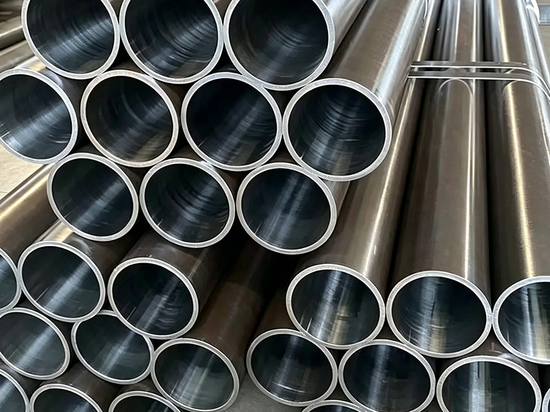
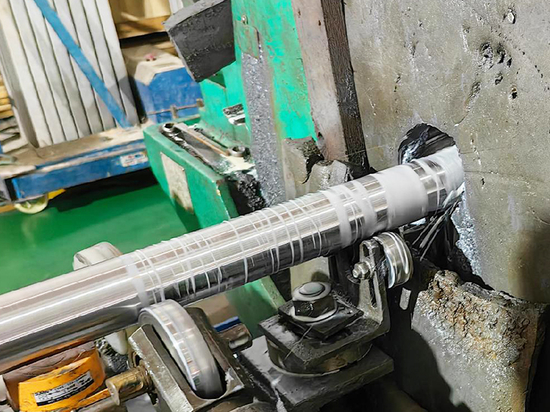
Honed tube bore diameter can shift slightly after honing due to two normal, predictable effects: residual stress relief and temperature equilibration. The tube isn’t defective — it’s simply settling into a new equilibrium as stresses relax and the material cools to ambient temperature. This is why a “hot off the line” measurement and a receiving inspection measurement can legitimately differ.
But here’s where it gets tricky: not every dimensional discrepancy is harmless. If the difference is large — well beyond the tolerance band — it’s unlikely to be explained by stress relief alone. And improper storage or handling can introduce genuine distortion that has nothing to do with normal settling.
So how do you tell the difference? And what measurement protocol should you use to avoid false disputes?
Read the full article to learn when diameter shift is normal, when it signals a real problem, and how to set up a receiving inspection that won’t waste time on phantom quality issues.