
#Industry News
Dual-Layer vs Single-Layer Chrome Plating - EAST AI
How to decide between single-layer and dual-layer nickel-chrome plating on a rod, based on corrosion environment, service life, and cost.
The Plating Cost Trap: When a "Better" Chrome Layer Just Wastes Money
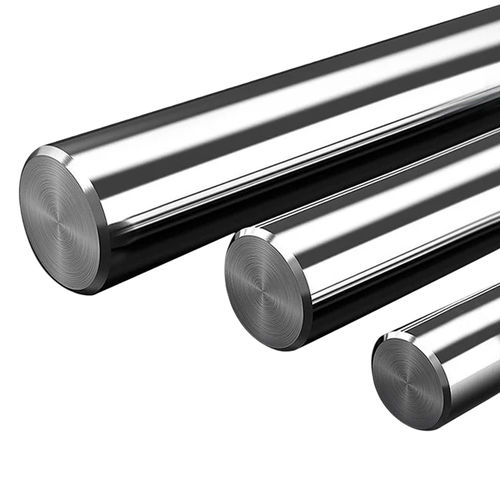
When specifying chrome plated rods, many engineers default to a dual-layer (nickel + chrome) system, assuming that more layers must equal better protection. But here is the engineering truth: the wear resistance is exactly the same.
The outer chrome surface handles the wear, while the nickel underlayer does nothing for it. The only thing the nickel layer does is act as a barrier against corrosion reaching the base steel through the chrome's inherent microscopic pores.
If your equipment operates indoors or in standard weather conditions, that extra layer is just adding cost, complexity, and lead time to a problem you don't actually have. But if your rod goes into a marine, washdown, or chemical environment, single-layer chrome will eventually pit and fail from the inside out.
So how do you make the right call without over-engineering? And what is the one alternative lever you can pull that often makes the expensive nickel layer unnecessary?
Don't pay for a layer your application doesn't need—and don't skip it when you do. Read the full article to learn how to match your plating structure to your actual environmental risk.