
#Product Trends
Chrome Plating Thickness: Where in Range Matters - EAST AI
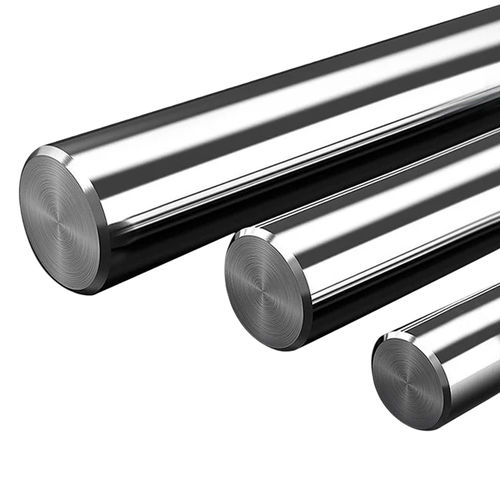
Why a chrome plated rod "within spec" on thickness can still be wrong for your application, and how thin vs thick within range changes outcomes.
Your Chrome Plating Passed Inspection. So Why Is It Failing in the Field?
You specified a standard 20 to 40-micron chrome thickness range. The supplier's certificate says 22 microns. It passes incoming inspection, so you accept it. But six months later, the cylinder is back with premature wear or corrosion.
The problem isn't that the supplier failed to meet the spec. The problem is that "within spec" doesn't mean it's the right thickness for your application.
A rod sitting at the bottom of a 20-40 micron range has significantly less wear allowance than one landing at 35 microns. For a machine expected to run for years between rebuilds, that small difference in the warehouse becomes a massive difference in the field.
But here is the counter-intuitive trap: ordering the absolute maximum thickness isn't the answer either. Past a certain point, a thicker chrome layer introduces higher internal stress, which can actually cause microcracking and accelerate corrosion.
So how do you control where your supplier lands within the range? And how do you verify it without adding weeks of lead time?
Stop accepting "pass-fail" data. Read the full article to learn how to target a specific micron range that matches your exact service life—and why asking for "maximum thickness" might be ruining your rods.