#Product Trends
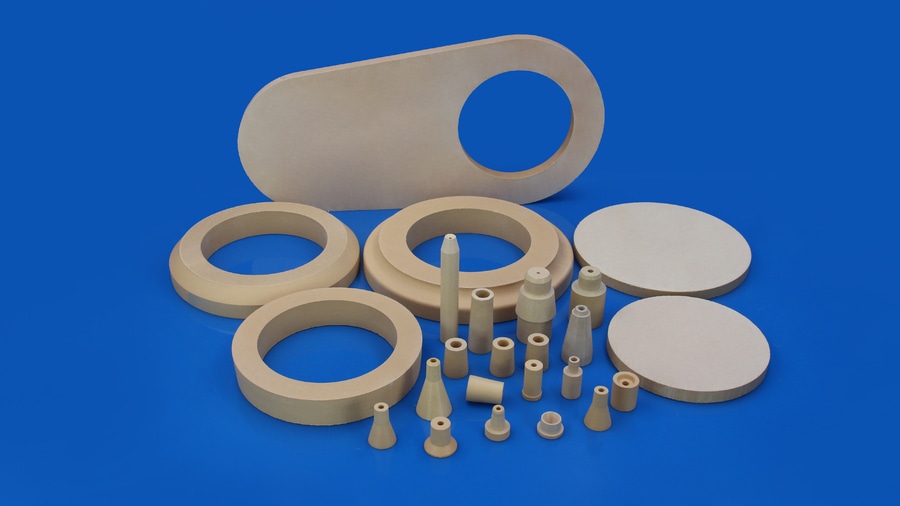
Mg-PSZ Ceramic Parts For Tundish In the Powder Metallurgy Process
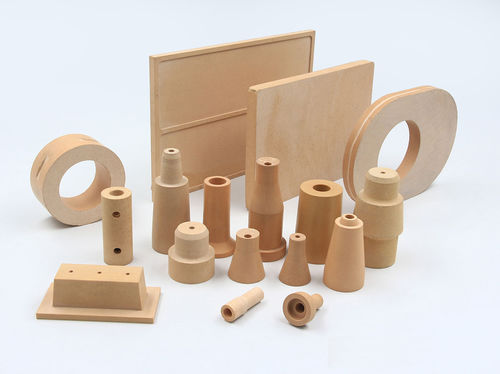
Magnesia-stabilized zirconia ceramics
Magnesium-zirconium ceramic parts, the main components of tundishes in the steel and metallurgical industry
The tundish is mainly used in the steel metallurgical process as a key component of the continuous casting process. Its primary function is to store and distribute molten steel, ensuring a continuous and stable flow from the ladle to the mold.
Main Components of a Tundish
Tundish Body — The main structure that holds molten steel, typically consisting of a refractory lining and a steel shell.
Lining — Includes the working layer in direct contact with molten steel and the permanent layer for thermal insulation. Commonly made from refractory bricks, castables, or spray coatings.
Stopper Rod — A critical part for controlling the molten steel flow rate and regulating the steel level in the crystallizer.
Submerged Entry Nozzle (SEN) — Introduces molten steel into the crystallizer while preventing oxidation and splashing.
Sliding Gate System — Precisely controls the molten steel flow rate, consisting of upper and lower slides and a drive mechanism.
Impact Pad — Reduces impact force during molten steel injection and prevents lining erosion.
Weirs & Dams — Optimize the molten steel flow path and promote the flotation and separation of inclusions.
Tundish Flux / Powder — Prevents oxidation of molten steel and helps retain heat.