#Industry News
Oxygen Sensors and the Role of Advanced Heating Elements
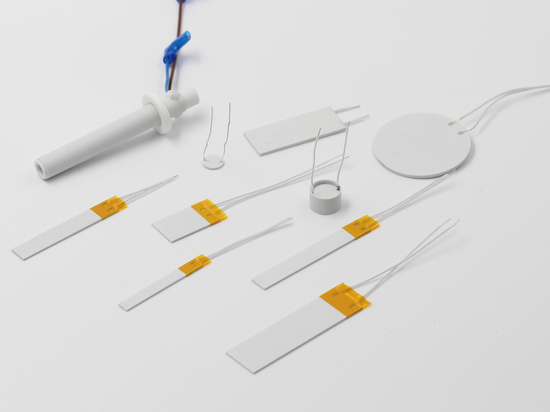
Ceramic Planer Heating Element
Introduction: What is an Oxygen Sensor?
An oxygen sensor is a key device for measuring the oxygen concentration in exhaust gas. At its core, the sensor relies on a zirconia or ceramic sensing element, supported by a built-in heater, which provides real-time feedback to the engine control unit (ECU). This feedback ensures that the engine maintains an ideal air-fuel ratio, thereby enhancing fuel efficiency, reducing emissions, and improving the overall performance of the engine.
Applications of Oxygen Sensors
Automotive
Installed both upstream and downstream of catalytic converters
Fundamental to meeting emission compliance standards (OBD-I and OBD-II)
Industrial
They are widely used in boilers, furnaces, and other combustion monitoring systems.
Environmental
Applied in gas detection, air quality monitoring, and safety systems
Types of Oxygen Sensors (Bosch Case Study)
Thimble Sensors: Traditional ceramic type, highly durable, requiring an external heater for fast activation.
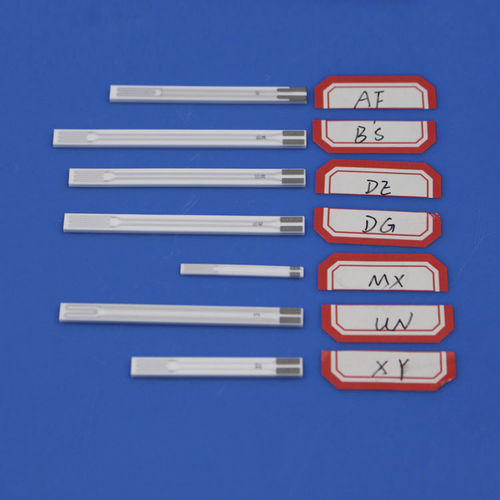
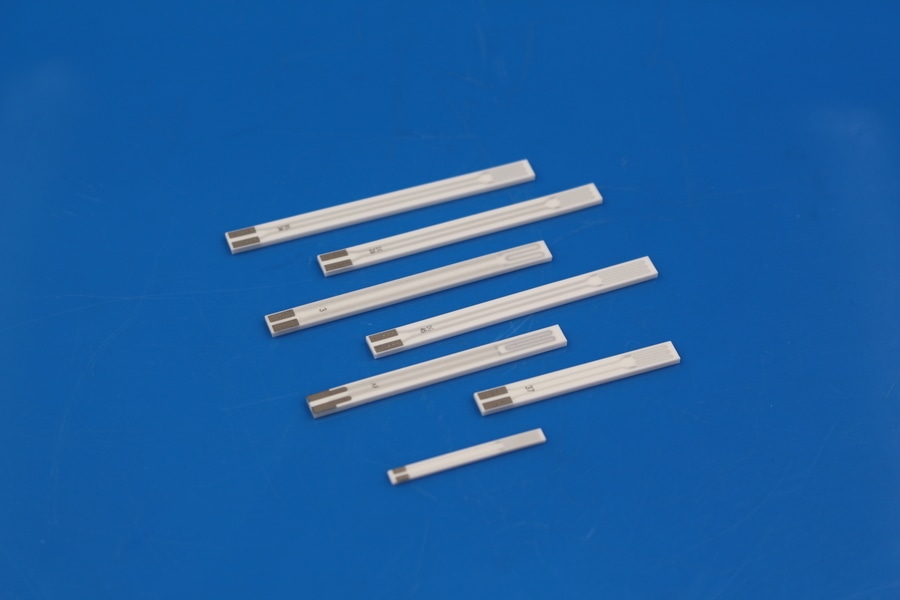
Planar Sensors: Feature integrated heaters for quicker warm-up and lower power consumption.
Wideband / Air-Fuel Sensors: Measure precise oxygen concentration, allowing the ECU to fine-tune the air-fuel ratio.
Universal Sensors: Aftermarket-ready with flexible SmartLink™ connections.