#Industry News
Silicon Nitride Hot Surface Igniters Lead The Way In Efficient Ignition Technology
Innovation Drives The Thermal Energy Revolution: Silicon Nitride Hot Surface Igniters Lead The Way In Efficient Ignition Technology
In industrial thermal energy applications and household gas appliances, the ignition system is a core starting component whose performance directly determines the equipment’s starting efficiency, safety, and service life. Thanks to their superior high-temperature and corrosion resistance, silicon nitride hot surface igniters are gradually replacing traditional ignition components and becoming the preferred solution for high-end ignition scenarios.
As a company dedicated to the research, development, and production of silicon nitride hot surface igniters, we are deeply aware of the importance of this technology to industrial upgrades. This article analyzes the technical principles, application scenarios, core advantages, and comparative benefits in the boiler field to help industry partners gain a deeper understanding of this innovative product.
1. What is a Silicon Nitride Hot Surface Igniter
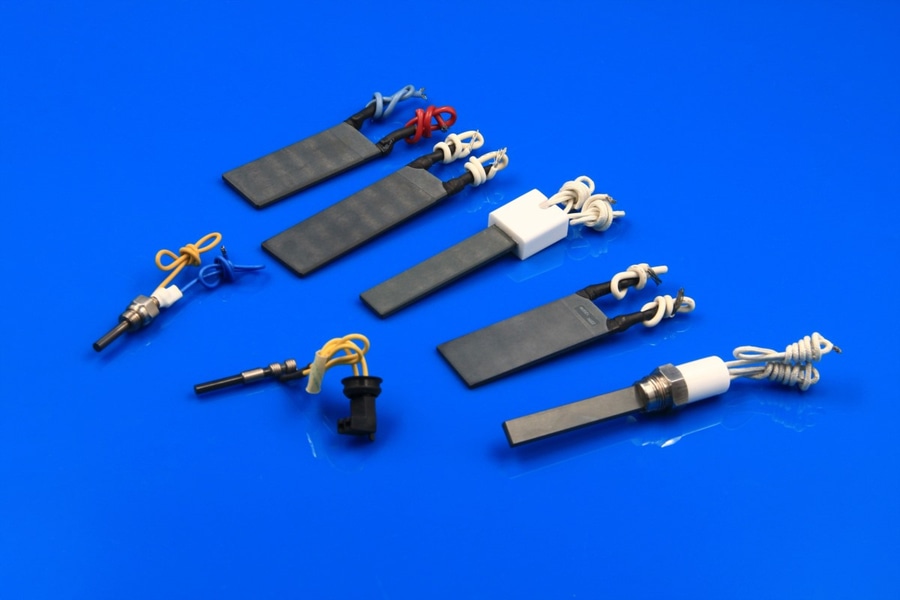
A silicon nitride hot surface igniter is a new type of ignition device that utilizes silicon nitride ceramic (Si₃N₄) as the core structural and heating matrix, combined with high-temperature resistant heating elements (such as tungsten or molybdenum wire).
Its core working principle is hot surface ignition—when electricity is applied, the internal heating element rapidly heats up, transferring heat to the surface of the silicon nitride ceramic. When the ceramic surface temperature reaches the ignition temperature of the fuel (typically between 300 and 800 °C, depending on the fuel type), it can instantly ignite the gas upon contact, eliminating the need for high-voltage spark ignition.
Structural Composition
The silicon nitride hot surface igniter mainly consists of three components:
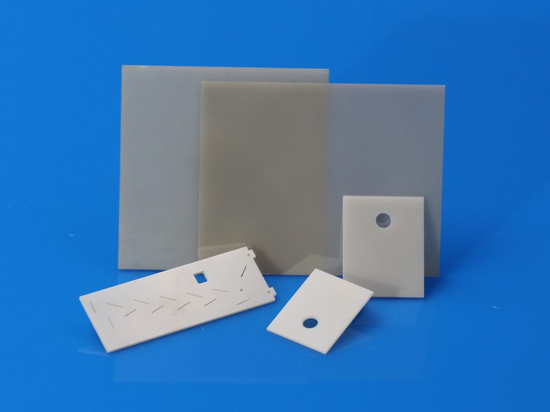
Silicon nitride ceramic substrate:
Acts as the core carrier, offering high strength, excellent thermal shock resistance, high insulation, and long-term high-temperature performance above 1300 °C, preventing cracking or leakage hazards.
High-temperature resistant heating element:
Embedded within the ceramic matrix and made of high-melting-point metals or alloys, it rapidly reaches the required ignition temperature without melting during prolonged use.
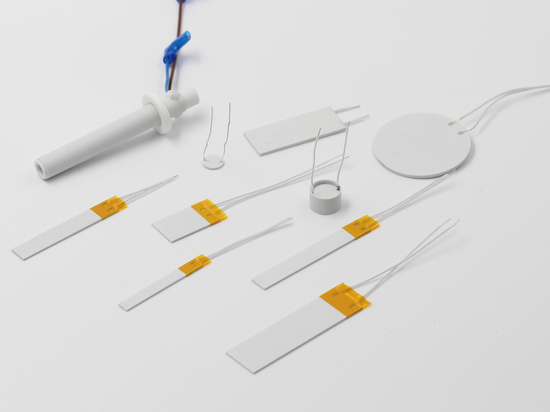
Electrodes and leads:
Conduct current and maintain a stable connection with the heating element. The outer layer is typically wrapped in high-temperature resistant insulation to ensure circuit safety.
Compared with traditional spark ignition, the silicon nitride hot surface igniter provides more stable and reliable ignition unaffected by humidity, oil contamination, or environmental interference.