#Product Trends
Aluminum Nitride (AlN) Ceramic Substrates for Efficient IGBT Module Cooling
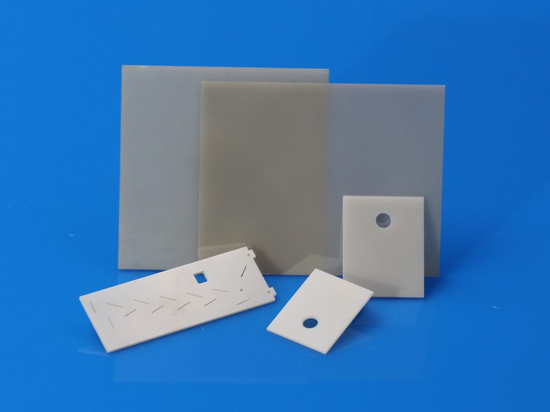
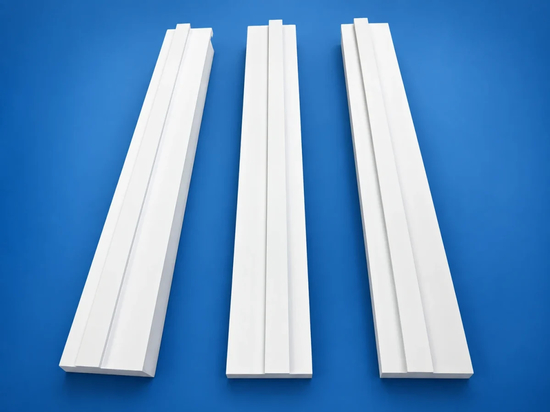
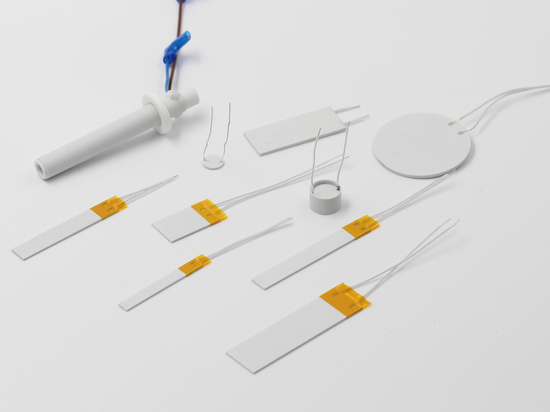
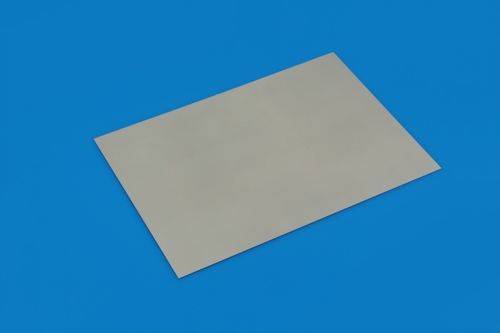
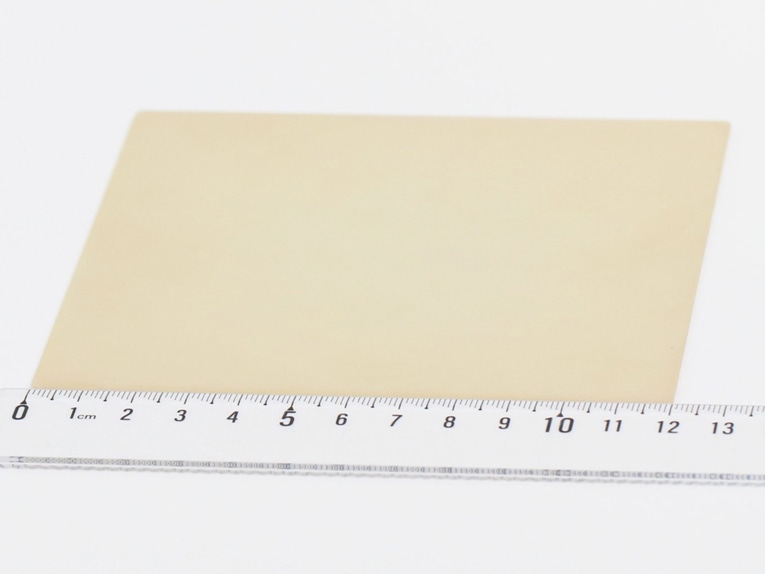
Aluminum Nitride Ceramic Substrates
Behind the swift movement of electric vehicles, the operation of photovoltaic power stations, and the precise control of industrial production lines, there is a common core power component – the IGBT (Insulated Gate Bipolar Transistor) module. It converts direct current into alternating current, precisely regulates the motor speed and torque, efficiently controls power switches, and completes the conversion and regulation of electrical energy. It is the “heart” of power electronic devices.
As the industry continuously enhances the performance and efficiency of systems, IGBT modules are evolving towards higher power density, smaller size, and greater reliability to meet the demands of lightweighting in electric vehicles, high power output, efficient operation of new energy inverters, as well as long lifespan and high reliability of industrial frequency conversion equipment. In such applications with high power and high heat load, safely and efficiently discharging the heat generated by the chip has become a major challenge in module design.
This answer is largely hidden within a seemingly insignificant component of the module – the base plate. It is not an ordinary metal plate, but a precise component made of a copper-ceramic-copper composite structure. The substrate of IGBT modules has traditionally been made of ceramic materials. For low-power modules, aluminum oxide, which is cost-effective and has mature manufacturing processes, is commonly used. However, in high-power and high-reliability applications, aluminum nitride has emerged as the key material for modern IGBT substrates due to its high thermal conductivity and excellent insulation properties.