#Product Trends
Why Do Ceramic Igniters Fail? Common Causes and How to Extend Service Life
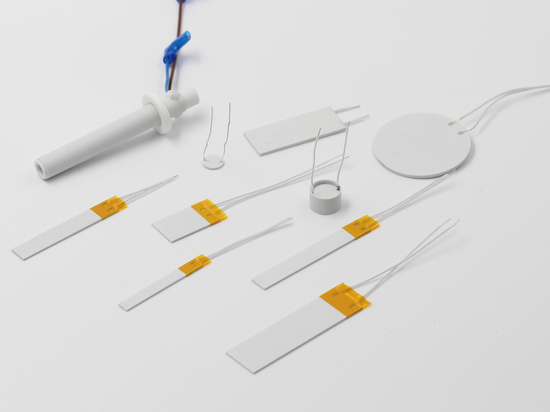
Alumina Ceramic Heater
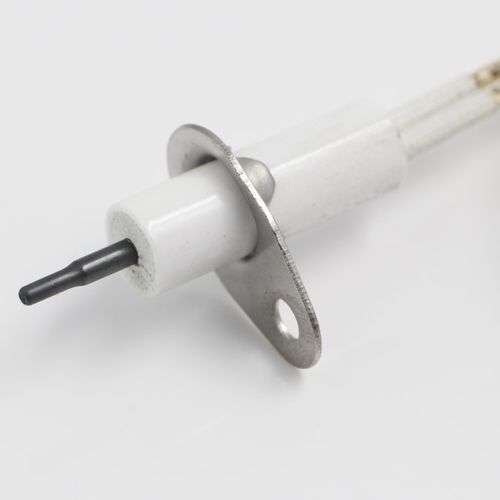
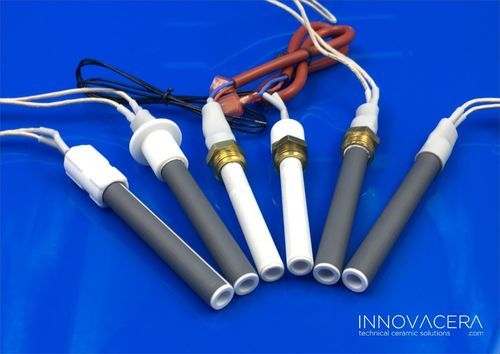
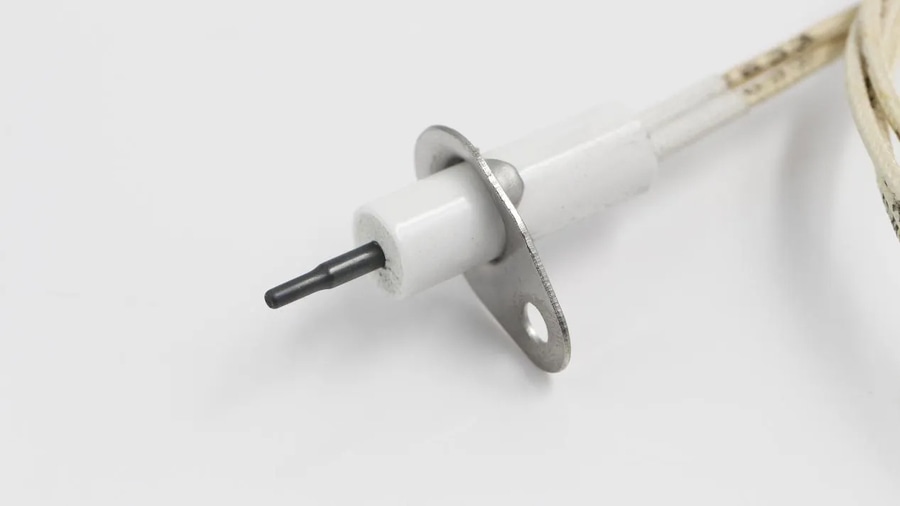
Ceramic igniters are widely used in various ignition systems—such as gas burners, biomass pellet stoves, industrial heating equipment, and other hot surface ignition (HSI) systems—due to their fast heating speed, high ignition efficiency, and flameless operation. As equipment evolves toward higher reliability and lower maintenance requirements, an increasing number of manufacturers are focusing on the long-term stability of igniters, rather than merely whether they can successfully ignite.
Nevertheless, many devices in actual use suffer from slow ignition, low ignition efficiency, or early igniter breakdown. Most users blame such problems on defective products, yet from an engineering standpoint, the lifespan of ceramic igniters is determined by multiple interacting factors: material formulation, structural design, working environment, and installation techniques.
1. Root Causes of Premature Failure in Ceramic Igniters
Ceramic igniters work in sustained high-temperature environments with constant temperature cycling. Failures seldom arise from a single cause; instead, damage accumulates little by little over long-term operation.
Repeated power cycling of equipment generates continuous thermal stress. Every heating and cooling cycle forces the ceramic body to expand and contract repeatedly, which slowly wears down the igniter over time. Uneven external forces during installation or sustained vibration during operation may also lead to gradual propagation of internal microcracks. Additionally, voltage fluctuations, improper power matching, as well as carbon deposits and dust contamination inside the combustion chamber can all affect the igniter’s heating efficiency and service life.
Therefore, when an igniter fails, in addition to inspecting the product itself, a comprehensive analysis should also be conducted in conjunction with the equipment’s operating conditions.
2. Several Key Factors Affecting the Lifespan of Ceramic Igniters
In engineering applications, the following factors typically directly affect the long-term reliability of ceramic igniters:
• Operating voltage and power must be properly matched. Excess voltage triggers localized overheating and speeds up component aging, whereas insufficient voltage lengthens ignition duration and raises thermal stress.
• Start-stop frequency. Frequent cycles of heating and cooling can easily lead to thermal fatigue, making it one of the key factors affecting service life.
• Installation structure. Over-tightening, uneven stress distribution, or improper assembly tolerances may increase mechanical stress on the ceramic body.
• Combustion environment. Accumulation of dust, ash, oil residue, or corrosive substances in the ignition area reduces heating efficiency and may result in localized overheating.
• Materials and manufacturing processes. Different ceramic materials have distinct characteristics regarding thermal shock resistance, high-temperature mechanical strength, and oxidation resistance; selection should be based on actual application requirements.
3. Different Ceramic Materials Suit Different Application Needs
Each ceramic material features distinct inherent properties, and no single material can fit all working scenarios. Material selection requires a comprehensive assessment based on equipment operating parameters, ambient conditions and performance standards. Below are reference points for two common types of ceramic igniters: