#Product Trends
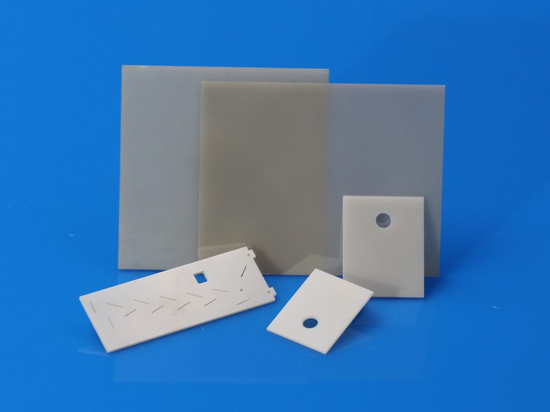
High temperature sintering setter used on metal manufacturing and electronics industries
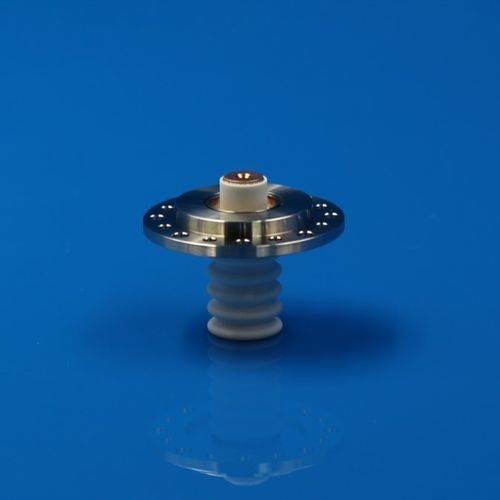
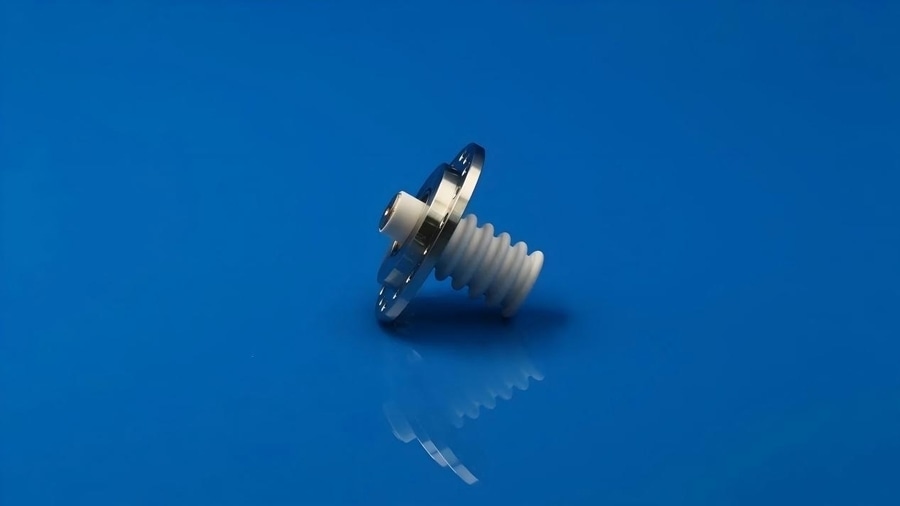
ceramic metal hermetic seal
How High Voltage Feedthroughs Enable Reliable Power Transmission in Excimer Laser Systems
In high-precision manufacturing fields such as semiconductor lithography, laser processing of display panels, and fiber Bragg grating writing, excimer lasers have become key equipment in numerous advanced manufacturing processes due to their deep ultraviolet wavelengths, high energy density, and precise processing capabilities.
Excimer laser systems typically employ sealed discharge chambers, where laser output is generated by high-voltage pulse excitation of the working gas. During this process, external power must be reliably transmitted to internal electrodes within the chamber without compromising the chamber’s original vacuum-sealed environment.
However, maintaining long-term reliable vacuum performance while achieving high-voltage electrical connections has always been a significant challenge in laser system design. High-voltage feedthroughs are critical components that address this issue, combining ceramic insulation structures with metal-to-gas-seal technology to simultaneously enable electrical power transmission and maintain vacuum isolation.
I. The Critical Role of High-Voltage Feedthrough Components in Excimer Laser Systems
During operation of excimer laser equipment, a stable working environment must be maintained inside the discharge chamber, while high-voltage power needs to be transmitted through the chamber wall to internal electrodes.
Traditional electrical connection methods may face the following challenges under prolonged operation in high-voltage and vacuum conditions:
• Poor vacuum sealing stability: Micro leaks may develop after long-term operation and undermine the stable internal environment of the cavity;
• Deteriorated insulation performance: High-voltage pulses are prone to cause arcing and partial discharge, compromising overall system reliability;
• Thermally induced structural stress: Temperature fluctuations during equipment startup and shutdown generate cyclic thermal stress, which impairs interfacial structural stability;
• Outgassing contamination: Materials not tailored for vacuum service will release gaseous contaminants, degrading cavity cleanliness and destabilizing the optical system.
Accordingly, feedthrough components for excimer laser systems are required to deliver high insulation capability, superior hermetic tightness, reliable thermal stability and ultra-low outgassing performance simultaneously.
II. Ceramic-Metal Composite Structure Satisfies High-Pressure Vacuum Application Requirements
INNOVACERA Small HV Feedthrough adopts a ceramic-metal gas-sealed connection structure. Through the precise combination of 95% alumina ceramic and various metal materials, it achieves high-pressure transmission and vacuum isolation.