#Industry News
How Do Alumina Setter Plates Improve MIM Sintering Results? Expert Solutions for Warpage and Sticking Issues
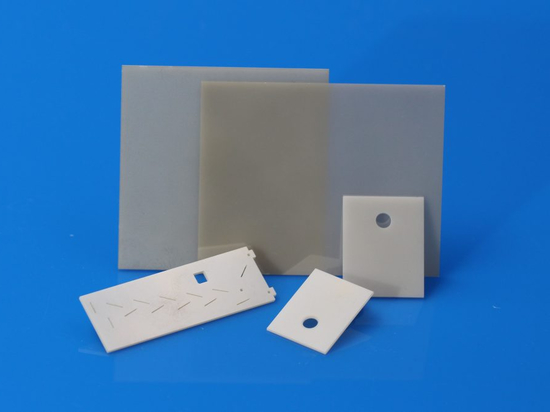
Alumina Ceramic Setter Plate for MIM Sintering
Setter plates serve as essential supports for metal injection molding (MIM) parts inside sintering furnaces, directly affecting sintering quality, surface finish, dimensional stability, and production efficiency. As sintering temperatures and production volumes increase, choosing the right setter plate becomes increasingly important.
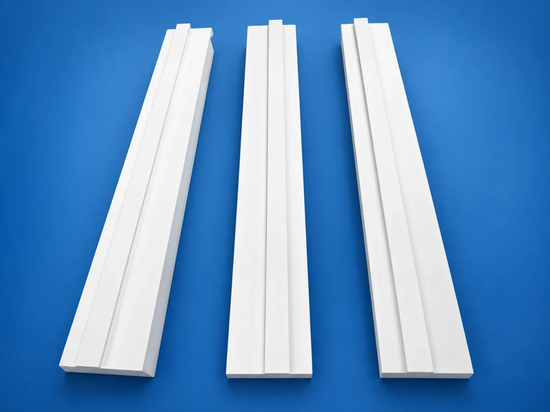
INNOVACERA offers ceramic setter plates for MIM sintering, including custom alumina (Al2O3) designs to meet different component geometries and furnace requirements. Proper setter selection can help manufacturers address common problems such as warpage, sticking, and inconsistent part dimensions.
How Does Setter Plate Flatness Affect MIM Warpage?
MIM parts usually undergo approximately 15-20% linear shrinkage during sintering, depending on the material and process conditions. If the setter surface is uneven or the plate deforms at high temperatures, the contact conditions between the part and setter can change, potentially affecting final dimensions and surface quality.
INNOVACERA provides precision machining for alumina ceramic components, including setter plates with surface flatness as precise as 0.03 mm for suitable dimensions and designs. A flat and consistent supporting surface helps maintain stable part positioning throughout the sintering cycle, reducing the risk of distortion caused by uneven support.
How Can Alumina Setter Plates Help Prevent Sticking?
Sticking between MIM parts and setter plates can lead to difficult part removal, surface damage, and additional handling during production. The chemical stability and suitable surface roughness of alumina setter plates, combined with a support design that accommodates part shrinkage, can help reduce these problems.
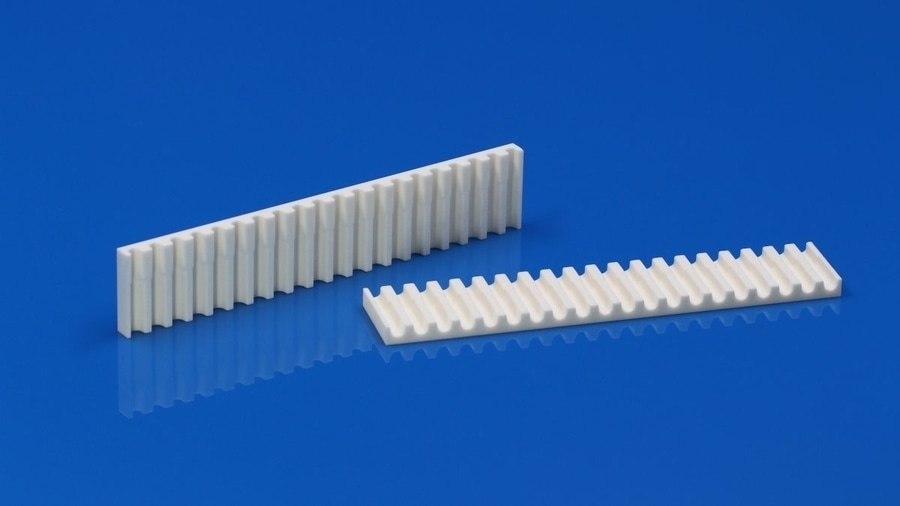
For complex MIM components, grooves, openings, recesses, or specially designed support structures can be incorporated into the setter plate. These features can improve gas circulation, reduce unnecessary contact areas, and provide additional clearance for shrinkage during sintering.
However, sticking behavior also depends on the metal alloy, furnace atmosphere, sintering temperature, and surface conditions. The setter material and contact design should therefore be evaluated according to the actual production process.