

#Product Trends
BN+AlN Composite Ceramic: Solving Thermal and Insulation Challenges in Axial Flux Motors
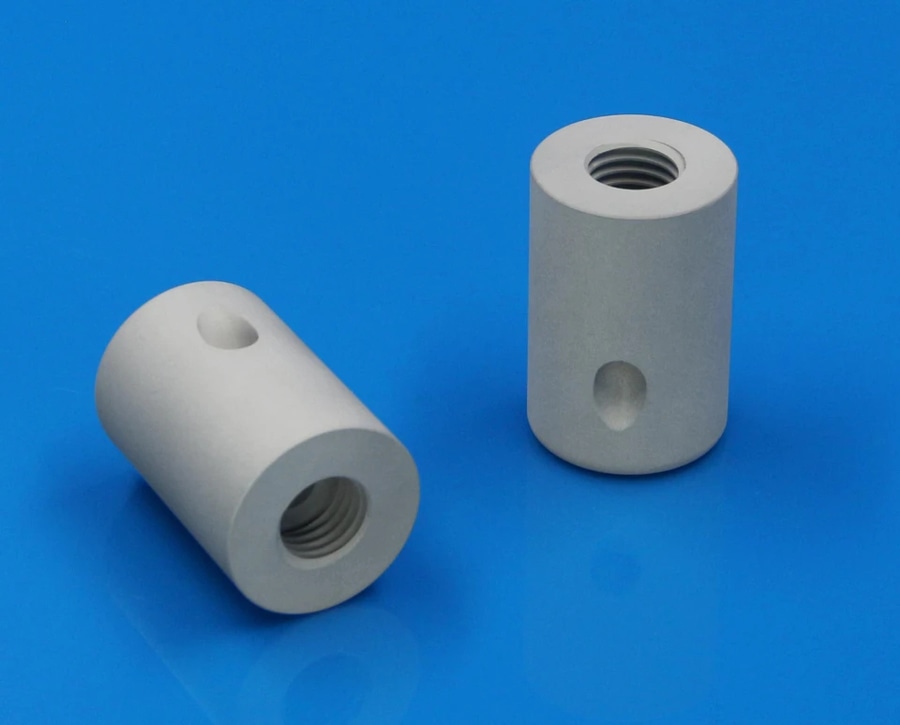
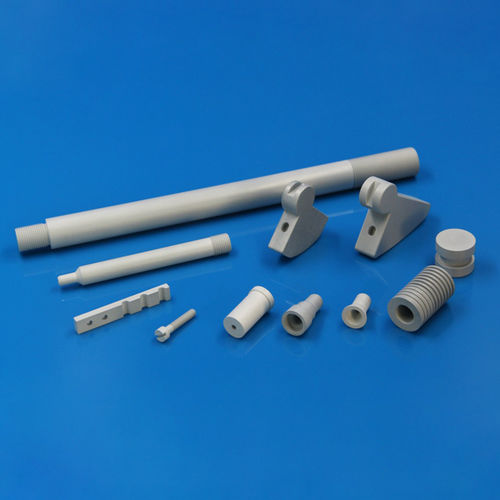
BN+AlN composite ceramic parts
Axial flux motors are popular in EVs and industrial uses because they give high torque in a compact size. But this design creates thermal and electrical challenges that ordinary insulation materials often can’t handle. Engineers picking materials for stator insulation, winding separators, or thermal interfaces need something that moves heat away efficiently while staying electrically insulating through repeated high-temperature cycling. BN+AlN composite ceramic does this in a way that plain polymer insulators and standard alumina ceramics can’t easily match.
Why BN+AlN Suits Axial Flux Motor Environments
Axial flux motors pack the windings and magnets into a tighter space than radial designs. So heat builds up in smaller, more localized spots, and the path from winding to heat sink is short but has to work very efficiently. That’s where two properties of BN+AlN composite ceramic come in.
First, hexagonal boron nitride is a strong electrical insulator and conducts heat much better than most insulating ceramics—that’s why it’s used in demanding electrical applications. Adding aluminum nitride, which also conducts heat well, helps the composite move heat without creating electrical leakage paths. The result is a material that acts as both an electrical barrier and a thermal conductor, so you don’t need to stack separate insulating and heat-spreading layers.
Second, the operating temperature range matters. In an axial flux motor running under peak load or regenerative braking cycles, localized temperatures can rise significantly. BN+AlN ceramic, as offered by the manufacturer, is rated for continuous operation up to 900 °C in atmospheric conditions—well above the thermal ceiling of organic insulation films or standard thermoplastics used in motor construction. This margin provides a meaningful safety buffer under fault conditions or aggressive duty cycles.
Beyond temperature, the material’s low coefficient of thermal expansion relative to many metals helps reduce mechanical stress at interfaces during repeated heat cycles, which is a common failure mode in precision motor assemblies.

 鄂公网安备42018502009509号