#Product Trends
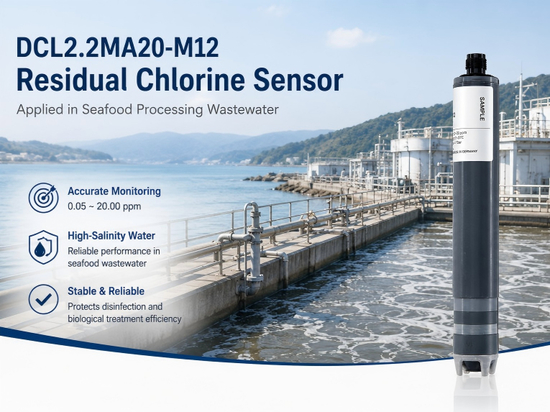
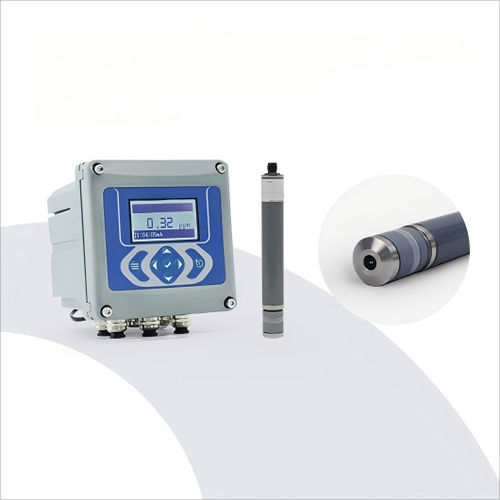
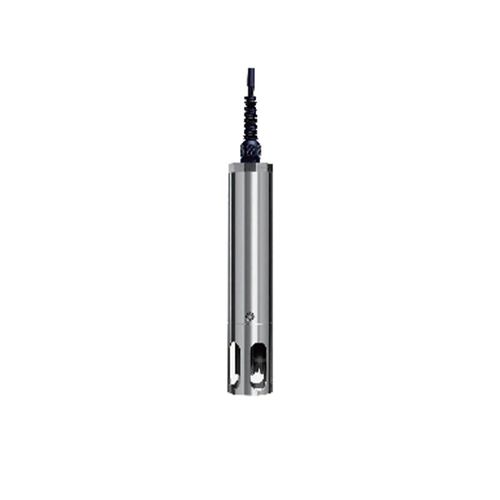
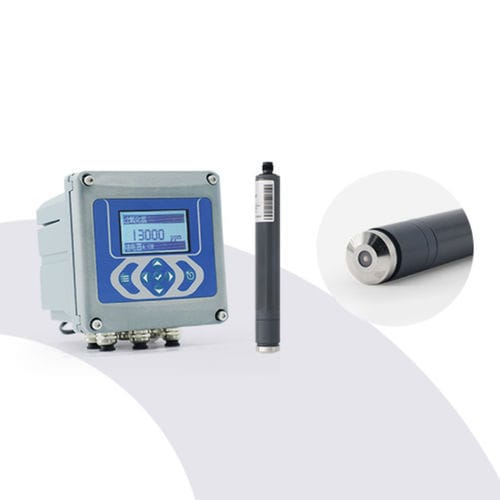
DCL2.2 Free Chlorine Sensor
The "Residual Chlorine Precision Guardian" for Marine Seedling Rearing Tanks
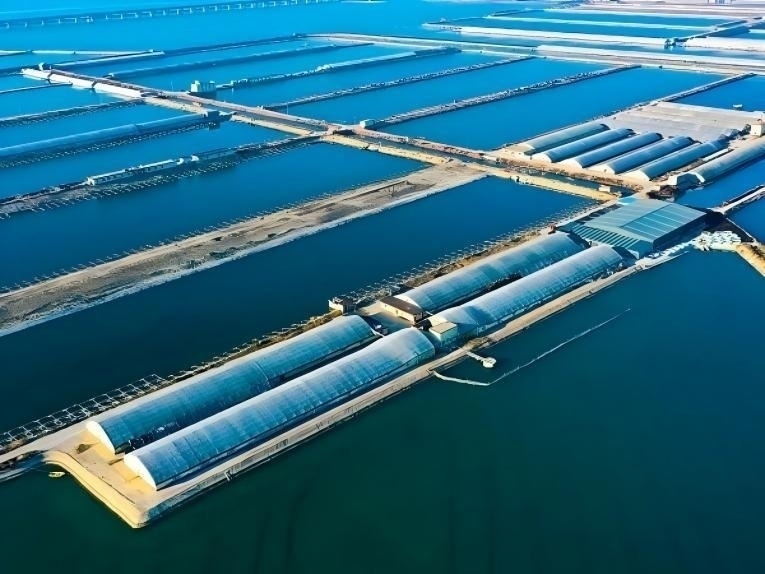
During the marine seedling rearing period and larval stages (e.g., shrimp larvae, fish larvae), organisms are extremely sensitive to residual chlorine concentration. The safe threshold must be strictly controlled below 0.02~0.05ppm—even a slight excess can cause gill tissue damage and a sharp drop in survival rate. At a factory-based marine seedling rearing base, the survival rate of whiteleg shrimp larvae in three batches was only 60% due to the insufficient precision and delayed response of traditional residual chlorine monitoring equipment. It was not until the introduction of the DCL2.2 free chlorine sensor that a precise "residual chlorine safety barrier" was established for the larvae.
The "Invisible Residual Chlorine Killer" in Seedling Rearing Tanks
The seedling rearing tanks at the base maintained stable conditions: salinity at 3.5% (meeting marine water characteristics), pH value controlled between 7.0~7.5, and water temperature at 28±1℃—fully simulating the natural marine environment. However, the traditional monitoring solution had three major shortcomings:
• Accuracy "failure" in low-concentration range: The portable detector used had a measurement deviation of ±0.02ppm when the concentration was below 0.05ppm. It often misjudged an actual concentration of 0.06ppm as 0.04ppm, leading to the release of larvae before residual chlorine dropped to a safe level after disinfection.
• Delayed response missing the optimal intervention window: Laboratory testing after manual sampling took 30 minutes. If residual chlorine surged abruptly due to disinfection equipment failure, neutralization measures could not be triggered in time—once causing acute poisoning of 2 million shrimp larvae.
• Incompatibility with marine environments: Ordinary sensors were prone to corrosion in 3.5% high-salinity water and required calibration twice a month. Monitoring was interrupted during maintenance, increasing aquaculture risks.
DCL2.2’s "Seedling Rearing Compatibility": Technical Parameters Aligned with Safety Thresholds
As a free chlorine sensor specifically designed for high-salinity environments, DCL2.2’s technical features are highly matched to the needs of the seedling rearing period, building a precise monitoring system with data:
1. Precision & Range: Aligned with the Larval Safety Threshold
2. Response & Stability: Safeguarding the Larval "Golden Intervention Window"
3. Structural Compatibility: Withstanding Seawater "Corrosion Tests"
Application Effects: From "Survival Rate Anxiety" to "Stable Mass Production"
After DCL2.2 was put into use in 6 seedling tanks, the effects were immediate:
• Survival rate increased to 92%: Residual chlorine was stably controlled at 0.03±0.005ppm, and the survival rate of shrimp larvae in three batches rose from 60% to 92%, reducing losses by over 500,000 yuan per batch.
• Maintenance efficiency doubled: Annual maintenance times decreased from 24 to 2, saving 80% of labor costs without interrupting monitoring.
• Data traceability: The 4-20mA signal is connected to the seedling rearing control system, which automatically records residual chlorine data every 5 minutes. This meets the traceability requirements for aquaculture and successfully passes export quarantine audits.
In marine seedling rearing, "a 0.01ppm deviation can determine the life or death of ten thousand larvae." With a resolution of 0.001ppm, compatibility with 3.5% salinity, and a 30-second rapid response, DCL2.2 serves as the "residual chlorine safety anchor" for larvae, guarding the "critical first mile" of marine seedling rearing with precise data.