#Product Trends
Online Residual Chlorine Sensor for Seafood Processing Wastewater Treatment
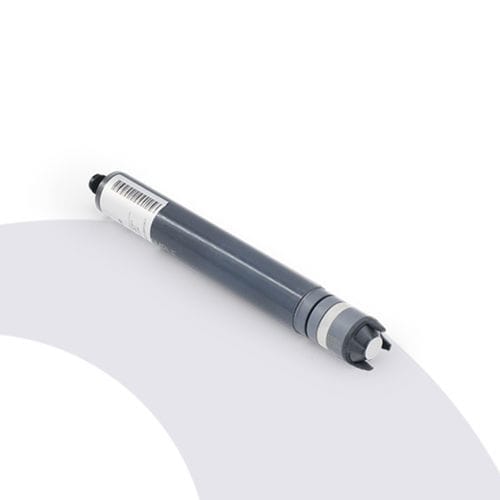
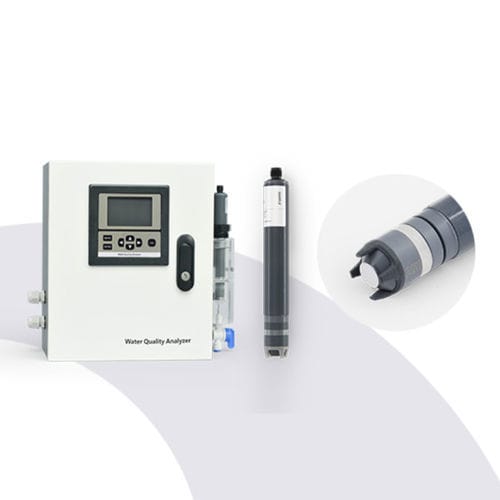
DCL2.2 Residual Sensor
A medium-sized seafood processing plant generates approximately 500 m³ of wastewater per day from the processing of shellfish and fish products. After preliminary treatment, including screening and oil removal, sodium hypochlorite (NaOCl) is dosed for disinfection before biological treatment.
To ensure regulatory compliance and protect downstream biological processes, the plant needed to maintain residual chlorine levels within a controlled range. Due to the high salinity of the wastewater (6–9%) and continuous operation requirements, reliable online monitoring was essential.
Solution
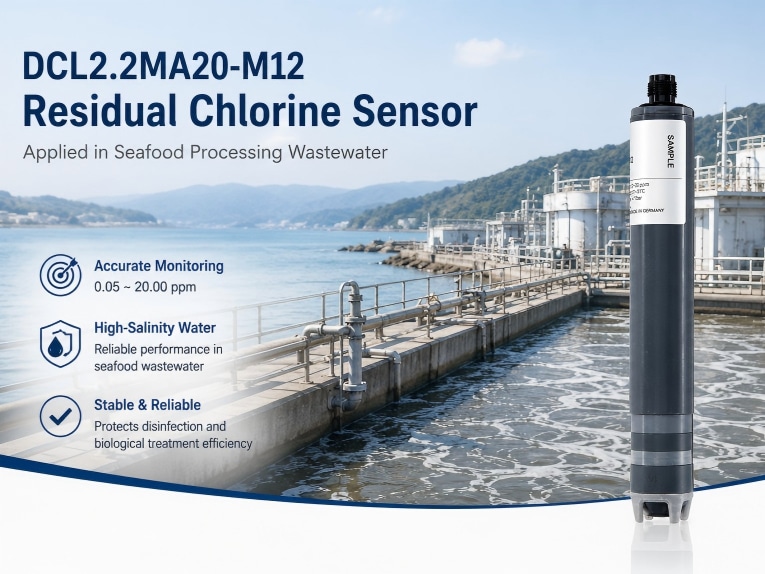
DABECO recommended the DCL2.2MA20-M12 Residual Chlorine Sensor for real-time monitoring of disinfected wastewater.
Key advantages include:
Measurement range: 0.05–20.00 ppm
High-resolution monitoring: 0.01 ppm
Suitable for high-salinity water and seawater applications
Stable operation in industrial wastewater environments
Standard 4–20 mA output for easy PLC integration
IP68 protection for harsh and humid conditions
Results
After more than 6 months of continuous operation, the sensor delivered stable and reliable performance:
Residual chlorine maintained within the target range of 0.4–1.9 ppm
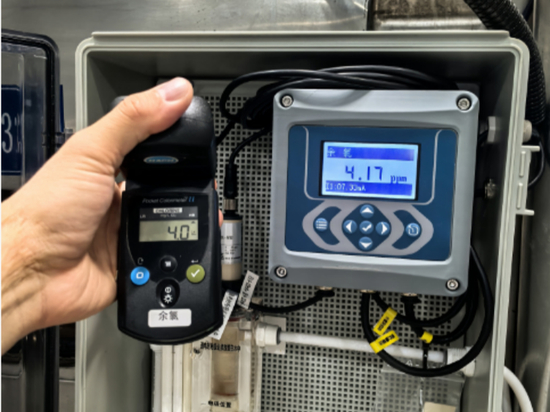
Excellent agreement with laboratory DPD testing
Stable sensor output with minimal drift
Reliable operation despite seasonal temperature and salinity variations
Reduced maintenance requirements and improved process control
Customer Benefits
By implementing the DCL2.2MA20-M12, the seafood processing plant achieved:
✔ Continuous residual chlorine monitoring
✔ Improved disinfection control
✔ Protection of biological treatment efficiency
✔ Regulatory compliance for wastewater discharge
✔ Reduced operational and maintenance costs
Product Used: DCL2.2MA20-M12 Residual Chlorine Sensor