#Product Trends
DB440 High and Low Temperature Applied in Test Chamber
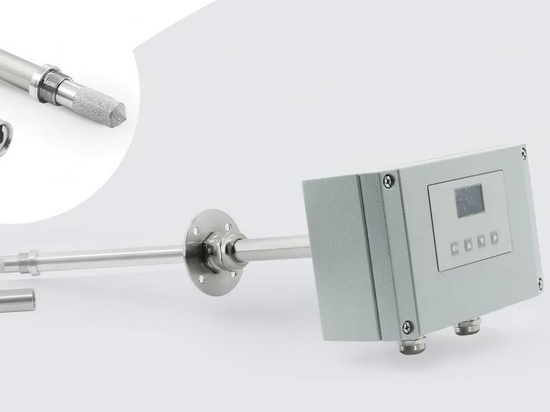
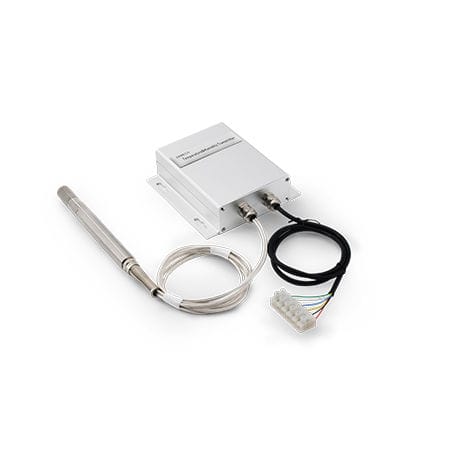
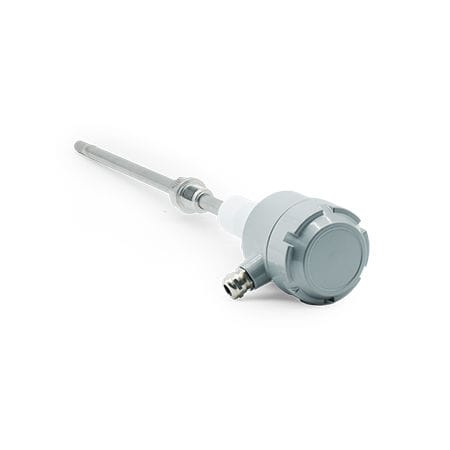
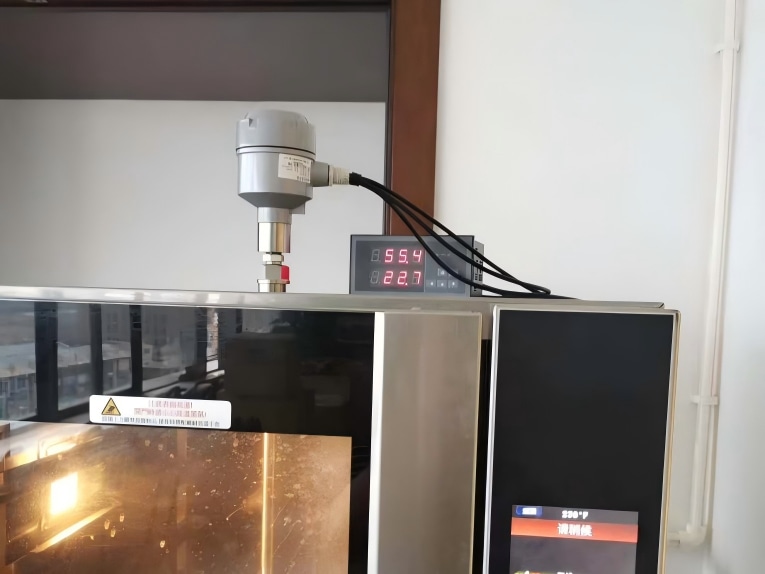
DB440 High-Temperature Humidity Transmitter: The "Environmental Benchmark Anchor" for High and Low Temperature Test Chambers
In the reliability testing of products such as electronic components and automotive parts, the temperature and humidity control accuracy of high and low temperature test chambers is crucial to ensuring the validity of test data. Eight conventional high and low temperature test chambers at a third-party testing laboratory once suffered from inaccurate test results—with a deviation of over 3% in the weather resistance test results of the same product—due to insufficient accuracy of the original monitoring equipment in a wide temperature range and significant drift during long-term operation, leading to repeated customer doubts. After introducing the DB440 integrated high-temperature humidity transmitter, the environmental monitoring capability of the test chambers achieved a qualitative leap, providing solid support for the "traceability and repeatability" of test data.
1. The "Data Distortion" Dilemma of Test Chambers
The high and low temperature test chambers at this laboratory need to perform temperature cycle tests from -40℃ to 150℃ and damp-heat alternating tests with 20% to 95% RH to verify the performance stability of products in extreme environments. However, the traditional monitoring solution had three major shortcomings:
• Accuracy "failure" in a wide temperature range: At the low-temperature segment of -40℃, the temperature measurement deviation reached ±2.5℃, resulting in insufficient actual freezing temperature of products in the "low-temperature storage test"; at the high-temperature segment above 120℃, the humidity measurement deviation exceeded ±6% RH, leading to misjudgment of the "condensation critical point" in the damp-heat cycle test.
• Drift "out of control" during long-term operation: After 72 hours of continuous testing, the humidity zero drift reached 4% RH, requiring manual calibration every day. Each calibration interrupted the test for 2 hours, seriously affecting testing efficiency.
• Insufficient environmental adaptability: Condensed water and material volatile substances (such as small molecules released by plastic parts) in the test chamber caused probe corrosion. Sensors needed to be replaced every 6 months on average, with annual maintenance costs exceeding $2,000.
2. Structural Design: Adapting to the "Harsh Operating Environment" of Test Chambers
The frequent sudden temperature changes (e.g., -40℃→150℃ within 30 minutes), condensed water adhesion, and trace corrosive gases in high and low temperature test chambers impose strict requirements on the material and installation of transmitters. The design of DB440 specifically addresses these challenges:
• 316L probe + 304 probe rod: The probe is made of 316L stainless steel with stronger corrosion resistance, which can resist erosion by condensed water and volatile substances in the test chamber. Its service life is extended to 3 years compared with the traditional 304 material; the standard length of the probe rod is 400mm, which can be directly inserted into the core area of the test chamber's air duct, avoiding deviations caused by "edge temperature measurement" (reducing errors by 0.3℃ compared with wall-mounted installation).
• Flexible installation and pressure-resistant design: Supports multiple insertion-type installation methods such as pipe thread, flange, and clamp, which can be tightly fixed to the inner wall of the test chamber. With a maximum pressure resistance of 6bar (optional), it can withstand pressure impacts caused by air flow fluctuations and sudden temperature changes in the chamber.
• IP54 protection + sealing process: The cast aluminum housing undergoes a special sealing treatment, which can resist condensation caused by alternating cold and heat when the test chamber door is opened, preventing moisture damage and short circuits of internal circuits, and ensuring stable operation within the transmitter's operating temperature range of -40~70℃.
3. Functional Features: Supporting the "Full-Process Data Chain" of Testing
Third-party testing has high requirements for the "real-time performance and traceability" of data, and the functional design of DB440 perfectly meets this demand:
• Multi-parameter output and linkage control: Supports 4-20mA analog signal output of parameters such as temperature, humidity, and dew point, which can be directly connected to the PLC system of the test chamber. When temperature and humidity deviate from the set values by ±0.5℃/±2% RH, adjustment commands are triggered within 30 seconds, increasing the response speed by 50% compared with traditional equipment.
• Digital communication and data archiving: Equipped with an RS485 interface (Modbus RTU protocol), it can be connected to the laboratory's LIMS system, automatically recording temperature and humidity data every 5 seconds and generating curves, meeting the ISO 17025 standard requirement of "storing test data for more than 5 years".
• On-site calibration and low maintenance: Supports on-site calibration function, enabling accuracy calibration without disassembly. Combined with the feature of humidity long-term stability < 0.5% RH, the calibration cycle is extended from 1 day to 3 months, reducing annual maintenance working hours by 120 hours.
Application Effects: From "Customer Doubts" to "Industry Benchmark"
After the deployment of DB440, the operating status of the high and low temperature test chambers in this laboratory has been significantly improved:
• Enhanced consistency of test data: The qualification rate deviation of high and low temperature cycle tests for the same batch of electronic components decreased from 3.2% to 0.7%, passing the "data repeatability" verification of the CNAS assessment.
• Optimized maintenance costs and efficiency: The sensor replacement cycle was extended from 6 months to 3 years, reducing annual maintenance costs by 80%; the effective operation time of the test chamber increased by 15%, enabling the completion of 2 additional test groups per day.
• Expanded testing capabilities: Relying on its high-temperature measurement capability of 200℃, it successfully undertook the 160℃ automotive wire harness aging test project, expanding its business scope by 20% compared with before.
In high and low temperature testing, "a 0.1℃ deviation can lead to 100% misjudgment". With a wide range coverage of -40~200℃, high accuracy of ±0.2℃/±2% RH, and weather resistance of 316L material, DB440 has become the "environmental benchmark" for conventional high and low temperature test chambers. Although it is hidden in the corner of the test chamber, it uses every set of accurate data to write the most powerful footnote for the "fairness, impartiality, and scientific rigor" of product reliability testing.