#Industry News
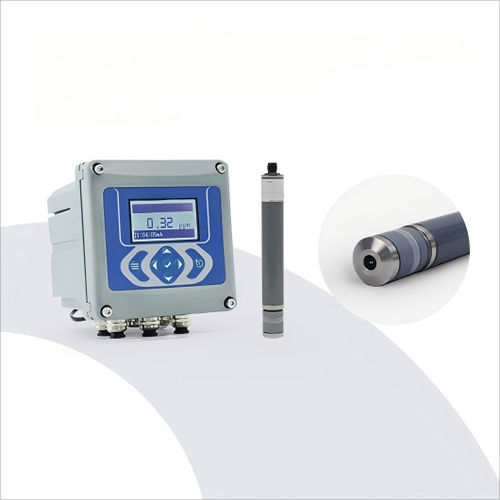
Application of DCL4.2MA2 Free Chlorine Sensor
in Monitoring Residual Chlorine in Main Pool Water of Swimming Pools
A large public swimming pool needed to strictly maintain free residual chlorine levels between 0.3–1.0 mg/L. However, the previously used monitoring equipment had two major issues:
A measurement deviation of ±0.02 mg/L in the low-concentration range (e.g., misreading 0.28 mg/L as 0.30 mg/L), leading to insufficient disinfection and causing skin irritation among swimmers.
Ordinary sensors required monthly calibration under the pool’s stable conditions (water temperature: 28°C, pH: 7.0–7.5), causing monitoring interruptions during maintenance and increasing management risks.
DCL4.2MA2’s Solution
Technical Features: Compatibility with Pool Requirements
Measuring range: 0.005–2.000 ppm, Resolution: 0.001 ppm: Fully covers 0.3–1.0 mg/L safety range; detects subtle changes (0.01 mg/L) to avoid "false compliance"
Compatible with pH 6–8; slope standardized at pH 7.2: Matches pool pH (7.0–7.5); measurements unaffected by fluctuations
Operating water temp: 0–45°C, with auto temperature compensation: Adapts to 28°C constant temperature; offsets deviations from minor water temp changes
T90 response time: ~30 seconds: Rapid alarm triggering for abnormal chlorine levels, enabling timely disadjustments
Membrane cap replacement: 1 year; electrolyte refill: every 3–6 months: Reduces maintenance frequency by 90%, avoiding monitoring interruptions
After deployment:
Residual chlorine stably maintained at 0.5–0.8 mg/L with <0.01 mg/L deviation.
Swimmer skin irritation complaints dropped by 100%.
Annual maintenance reduced from 12 to 2 times, saving $1,000 in labor costs.
IP68-rated 5-pin M12 connector ensured stable operation in humid environments with zero failures.