#Product Trends
DCL2.2 Free Chlorine Sensor: Discharge of High-Salt Wastewater into Coastal Waters
DCL2.2 Free Chlorine Sensor: Fortifying the Line of Defense for Residual Chlorine Monitoring in Coastal Discharges
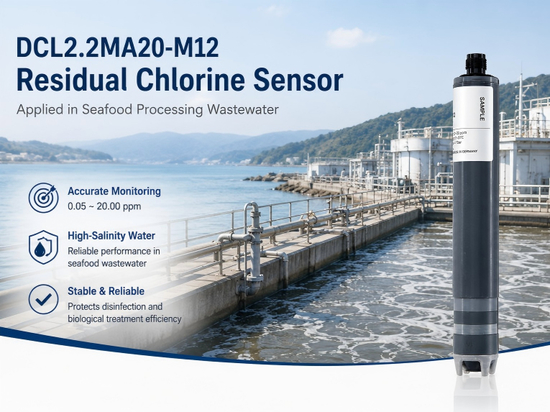
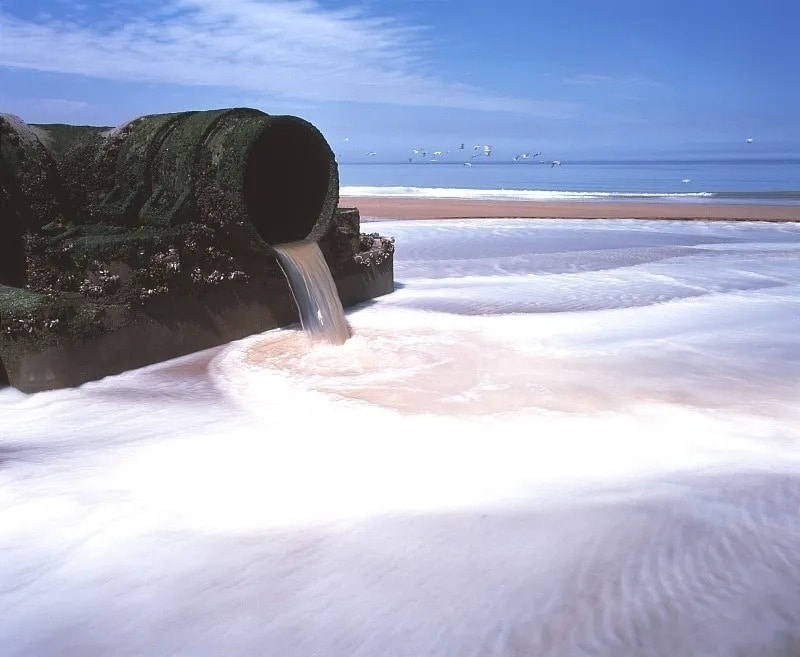
The discharge outlets of high-salt wastewater from coastal industrial zones serve as the final line of defense for coastal ecological protection. A chemical industrial park discharges 2,000 tons of high-salt wastewater (with a salinity of 3.5%–4%) into coastal waters on a daily basis, where the residual chlorine concentration must be strictly controlled below 0.05ppm—an excess of merely 0.01ppm may lead to a 15% increase in the mortality rate of plankton in the surrounding marine areas. However, the residual chlorine monitoring equipment previously in use frequently experienced "data drift" in high-salt environments, posing persistent concerns for environmental regulatory authorities. Not until the deployment of the DCL2.2 free chlorine sensor was a precise and controllable "residual chlorine monitoring barrier" established for these coastal waters.
"Data Ambiguity" at the Discharge Outlet
The wastewater treatment system of the park adopts sodium hypochlorite for disinfection, and residual chlorine must be reduced to a safe level prior to discharge. Nevertheless, three critical issues with the traditional monitoring solution rendered compliant discharge a matter of uncertainty:
• "Inaccuracy in Low-Concentration Ranges"
• "Inadaptability to High-Salt Environments"
• "Maintenance with System-Wide Implications"
Robust Adaptability of DCL2.2
The parameter characteristics of DCL2.2, as specified in its technical manual, precisely address the key challenges in monitoring high-salt wastewater discharge, validating its attributes of durability and precision
Environmental Tolerance: Withstanding the "Challenges of High-Salt Conditions"
Continuous immersion in high-salt wastewater and exposure to trace corrosive substances present a significant challenge to the material performance of sensors. The structural design of DCL2.2 incorporates a targeted solution:
• PVC-U and ABS Enclosure
• Membrane-Coated Measurement Principle
• Wide Temperature Adaptability
Operational and Maintenance Efficiency: Ensuring "Uninterrupted Monitoring"
The park implements 24-hour continuous discharge, such that any interruption to monitoring would introduce compliance risks. The low-maintenance design of DCL2.2 is well-suited to this requirement:
• Extended Consumable Lifespan
• Rapid Response and Interconnection
• Direct Data Integration with Regulatory Platforms
Implementation Outcomes: From "Passive Rectification" to "Proactive Prevention"
Six months after the commissioning of DCL2.2, the residual chlorine management at the discharge outlet underwent a qualitative transformation:
• 100 Percent Data Accurac
• Maintenance Costs Reduced by Half
• Mitigated Ecological Risks
In the scenario of high-salt wastewater discharge into coastal waters, DCL2.2 redefines the standards for "compliance monitoring" with its 0.001ppm resolution, adaptability to 3.5% salinity, and 1-year maintenance cycle. Unlike traditional equipment that demands frequent maintenance, it functions as a silent sentinel, maintaining 24/7 vigilance at the discharge outlet and upholding the fragile balance of coastal ecosystems through reliable data.