#Product Trends
DCS4MA200 Free Chlorine Sensor Applied in Industrial Wastewater Treatment
Application Case of High-Concentration Residual Chlorine Monitoring in Industrial Wastewater Treatment Plants: DCS4MA200 Solution Provided by DABECO!
Application Background
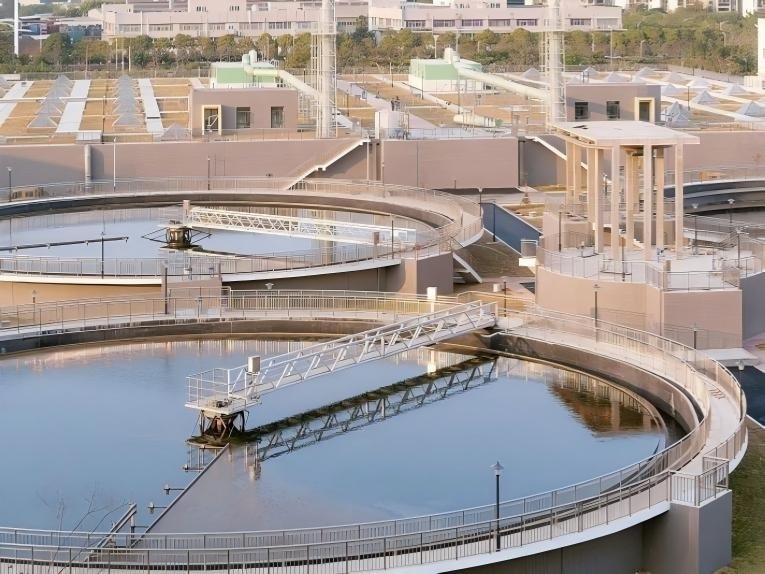
A large-scale industrial wastewater treatment plant mainly treats comprehensive wastewater discharged from the chemical and printing and dyeing industries. To ensure that the wastewater meets discharge standards, in-depth disinfection with chlorine-based disinfectants (such as sodium hypochlorite and other inorganic chlorine compounds) is required. Due to the high content of organic substances and reducing substances in the wastewater, a relatively high chlorine dosage must be maintained during the disinfection process, resulting in the residual chlorine concentration in the effluent usually ranging from 100 to 200ppm.
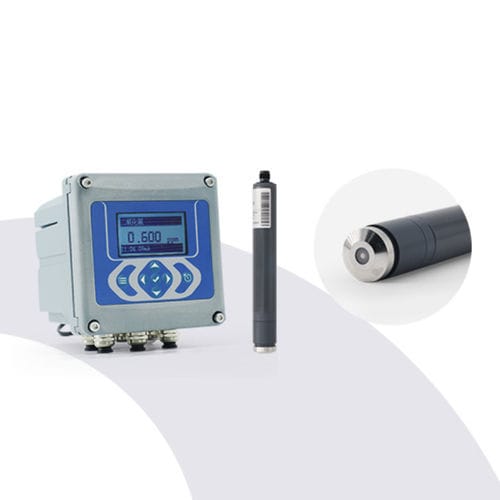
Traditional residual chlorine sensors are mostly suitable for low-concentration scenarios and cannot meet the requirements of this high-range measurement. Additionally, they are susceptible to water quality fluctuations, leading to insufficient measurement accuracy and stability. As a professional supplier of disinfectant sensors, DABECO recommended the RGline DCS4MA200 residual chlorine sensor for this specific scenario.
Measurement Requirements
1.Residual chlorine concentration measurement range: 100-200ppm, covering the high-concentration range;
2.Measurement accuracy: Stable and reliable performance is required to avoid insufficient or excessive disinfection caused by reading deviations;
3.Environmental adaptability: Withstand the complex water quality of industrial wastewater (pH 4-9, conductivity 10µS/cm-50mS/cm) and adapt to fluctuations in water temperature (0-45℃);
4.Signal integration: The output signal must be easy to connect to the plant’s existing control system to realize real-time monitoring and automatic regulation.
Recommended Solution: DCS4MA200 Residual Chlorine Sensor Provided by DABECO
Based on on-site requirements, DABECO recommended the DCS4MA200 residual chlorine sensor, which has the following core advantages:
1. Accurate Coverage of High-Range Requirements
2. Adaptability to Complex Water Quality Environments
3. Stable Output and Convenient Integration
4. Low Maintenance Costs
Implementation Effects
With technical support from DABECO, the wastewater treatment plant installed the DCS4MA200, realizing continuous and stable monitoring of high-concentration residual chlorine (100-200ppm):
1.The measurement error is less than 3% (verified at the 160ppm point), meeting the process accuracy requirements;
2.The sensor maintains stable readings even when the pH ranges from 5 to 8 and the water temperature fluctuates between 15℃ and 40℃, showing significant anti-interference capability;
3.The 4-20mA signal was successfully connected to the DCS system, realizing the linkage control between residual chlorine concentration and the chlorine dosing pump. This reduced chlorine agent consumption by 8% while ensuring that the effluent residual chlorine stably meets standards.
Conclusion
With its wide measurement range of 0.5-200ppm, high resolution, and adaptability to complex water quality, the DCS4MA200 provided by DABECO has become an ideal choice for high-concentration residual chlorine monitoring in industrial scenarios. It effectively solves the measurement problems of traditional sensors in high-range applications.