#Product Trends
Excellent Application of W510-DAS3mA20-CL
in the First Stage of Cold Bottling Process for Beverage Production
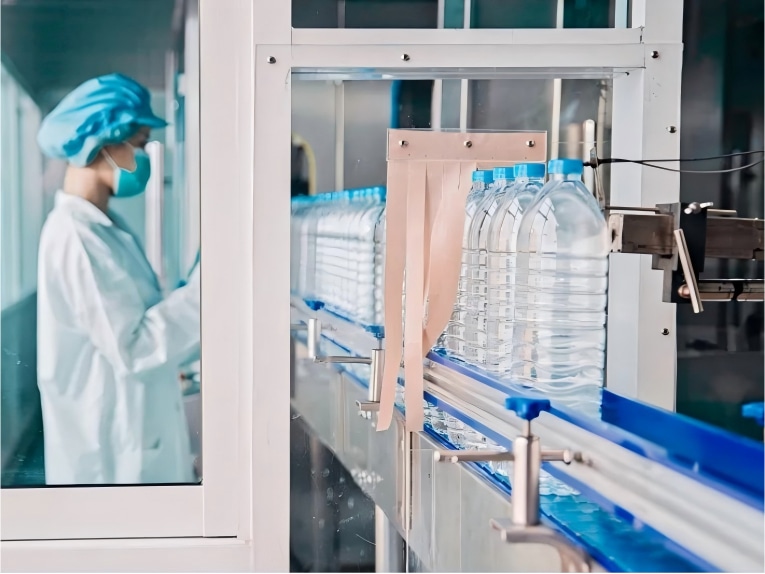
In the beverage production industry, ensuring product quality and safety has always been the core of enterprise operations. A large-scale beverage manufacturer, with a daily output of up to one million bottles, boasts a diverse product portfolio covering carbonated drinks, fruit juices, tea beverages, and more.
Within its production process, the cold bottling process is a critical link in safeguarding beverage quality, and the water quality control in the first stage directly impacts the quality of subsequent products. This enterprise faced severe environmental challenges in the first stage of the cold bottling process: the water temperature was stably maintained at around 60°C, and to inhibit microbial growth and ensure water quality, precise monitoring of residual chlorine content was required, with an expected measurement range of 0–10 ppm.
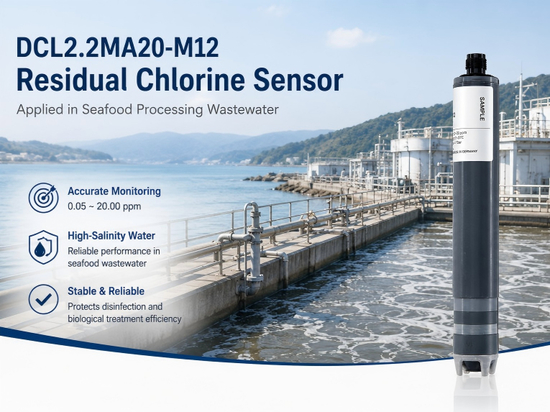
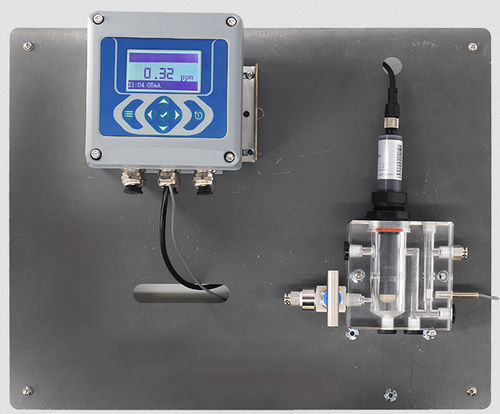
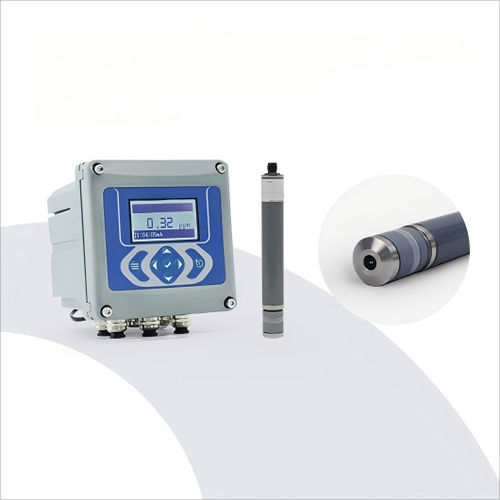
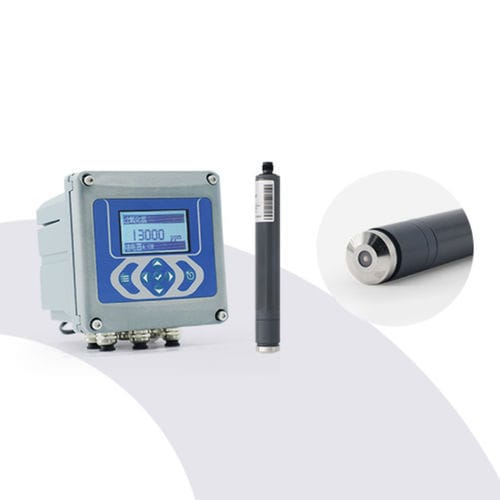
After a comprehensive evaluation, the enterprise selected DABECO’s W510 controller paired with the DAS3mA20-CL high-temperature residual chlorine sensor, which perfectly addressed the customer’s pain points. Among them, the W510 controller is responsible for data processing, display, and control functions. The DAS3mA20-CL, specifically designed for high-temperature environments, has an operating temperature range of -30°C to +70°C, easily withstanding the 60°C water temperature and ensuring stable sensor operation under high-temperature conditions. In terms of measurement accuracy, the sensor can precisely measure residual chlorine content within the range of 0–10 ppm, fully meeting the enterprise’s requirements for residual chlorine monitoring.
After the installation of the W510-DAS3mA20-CL sensor, the water quality monitoring effect in the first stage of the enterprise’s cold bottling process was significantly improved. Previously, due to the lack of precise high-temperature residual chlorine monitoring equipment, water quality fluctuations were difficult to detect, increasing the risk of microbial growth. This led to approximately 8% of products experiencing quality issues such as off-odors and spoilage. Since the introduction of the DAS3mA20-CL, residual chlorine content can be monitored in real time and with high precision. In case of anomalies, the sensor can quickly connect with the W510 controller to adjust the residual chlorine dosage in a timely manner.
After a period of operation, the product defect rate has dropped sharply to less than 2%, saving the enterprise millions of yuan annually in economic losses caused by product quality issues. At the same time, the sensor’s high stability reduces the frequency of maintenance and calibration, saving substantial labor and time costs each year, greatly improving production efficiency, and helping the enterprise further consolidate its competitive edge in the fierce market, ensuring consistent product quality.