#Industry News
DCC1MA2-M12 for Surfactant-Containing Swimming Pool Water
Tackling Invisible Interference in Community Pools with Precise Monitoring Solutions
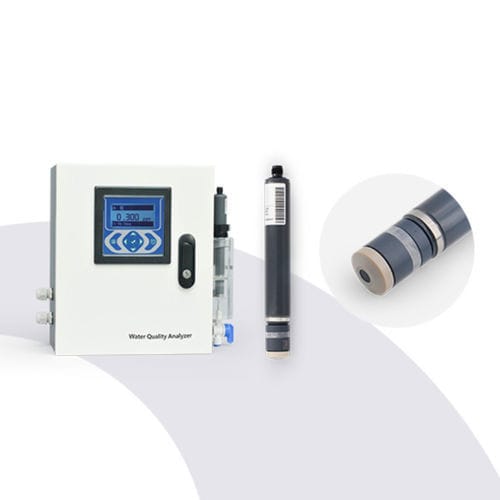
Community swimming pools face a hidden challenge: surfactants from body washes, shampoos, and sunscreen residues. These substances disrupt residual chlorine monitoring— a critical factor for water safety—yet traditional sensors struggle to counter this interference, leading to inaccurate data and potential health risks. The DCC1MA2-M12 chlorine sensor addresses this issue with targeted design, setting a new standard for precise chlorine monitoring in surfactant-rich pool environments.
Pain Points of Traditional Sensors in Surfactant-Containing Pools
Traditional residual chlorine sensors fail to adapt to surfactant-laden water, creating three key problems:
• Inaccurate Low-Range Monitoring
• Surfactant-Induced Drift
• Frequent Maintenance:
Core Technical Advantages of DCC1MA2-M12
The DCC1MA2-M12 is engineered to overcome surfactant interference, with performance aligned to pool monitoring needs:
1. Anti-Surfactant Interference Design
2. High Precision for Safety-Critical Ranges
3. Low Maintenance & Long Lifespan
Application Outcomes in Community Pools
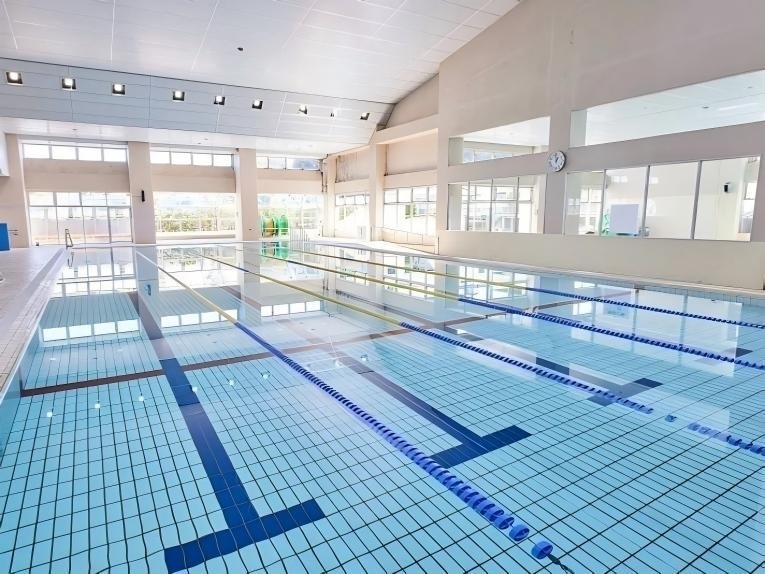
After 6 months of deployment in a 500m² community pool (average 80-100 swimmers daily), the DCC1MA2-M12 delivered significant improvements:
• Stable Chlorine Levels
• Reduced Maintenance Burden
• Prolonged Lifespan
Conclusion
In community pools where surfactants threaten water safety, the DCC1MA2-M12 redefines reliable chlorine monitoring. Its anti-surfactant design, safety-range precision, and low maintenance features not only ensure compliance with health standards but also reduce operational costs. For pool managers seeking a durable, accurate monitoring solution, the DCC1MA2-M12 is an optimal choice to safeguard swimmer health and streamline pool operations.